Is this police force professional and capable of handling violen...
/ 2026-10-16 18:54:07Focus


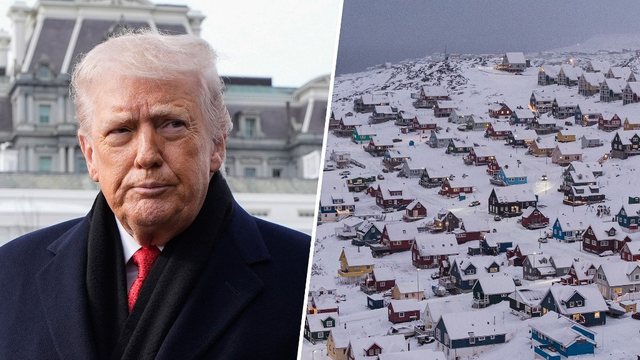
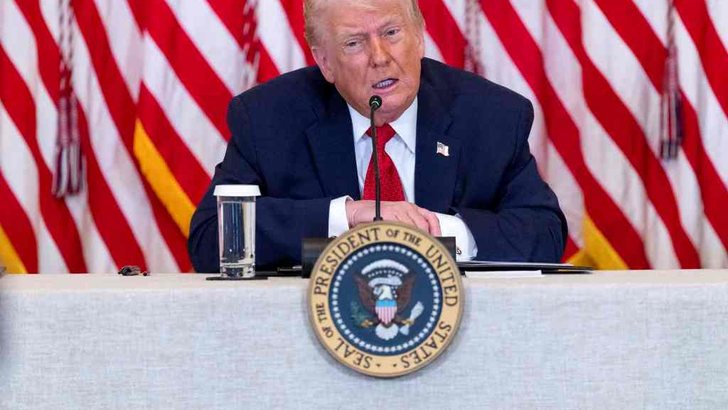
United States President Donald Trump on Saturday vowed to impose a wave of rising tariffs on European allies until the United States is allowed to buy Greenland.
In a post on the social network Truth Social, Trump announced that an initial tariff of 10% will take effect on February 1 for Denmark, Norway, Sweden, France, Germany, the United Kingdom, the Netherlands and Finland. He added that these tariffs will increase to 25% on June 1 and will continue until a deal is reached for the purchase of Greenland by the United States.
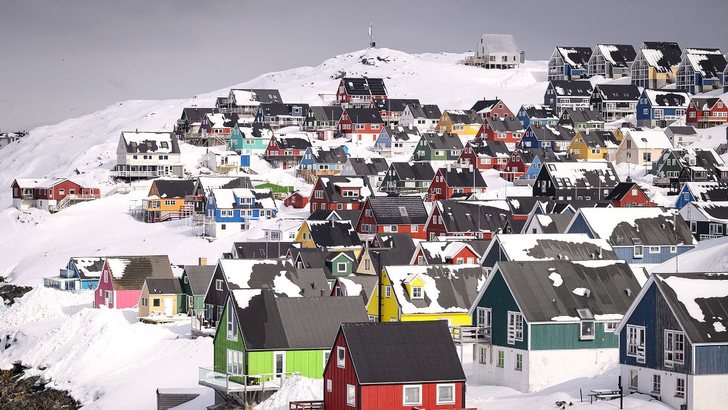
Trump's statement came at a time when transatlantic relations have been strained over trade and security policy issues. Greenland, an autonomous territory of Denmark, has attracted the attention of the US administration due to its strategic location and natural resources.
According to experts, Trump's request to buy Greenland is unique and unprecedented in modern diplomatic history. However, the Danish authorities and the Greenlandic population themselves have expressed doubts and clear rejections of a possible purchase. The Danish Prime Minister has emphasized that Greenland is not for sale and that its affairs are internal and autonomous.
Political analysts say Trump's tariff policy could have serious economic impacts, raising the prices of European goods in the U.S. and straining relations with historic allies. However, the president has made clear that his trade strategy is part of a broader vision to increase American economic power and negotiate more favorable deals.
The decision to impose tariffs on countries like Germany, France and the UK could have global repercussions, affecting international trade and the economic stability of Europe. Analysts warn that trade tensions could trigger reciprocal responses from the affected countries, increasing uncertainty for US exporters and the global economy.
Meanwhile, Greenland remains a territory rich in minerals and natural resources, including rare earths and energy resources, that could be of strategic importance to the United States in an era of growing geopolitical rivalries in the Arctic. The issue has also attracted the attention of the American media and public opinion, opening up debate about the legitimacy and feasibility of the purchase.