"The fate of the homeland is in our hands" - An appeal by Ismail...
/ 2026-10-18 16:09:54Focus


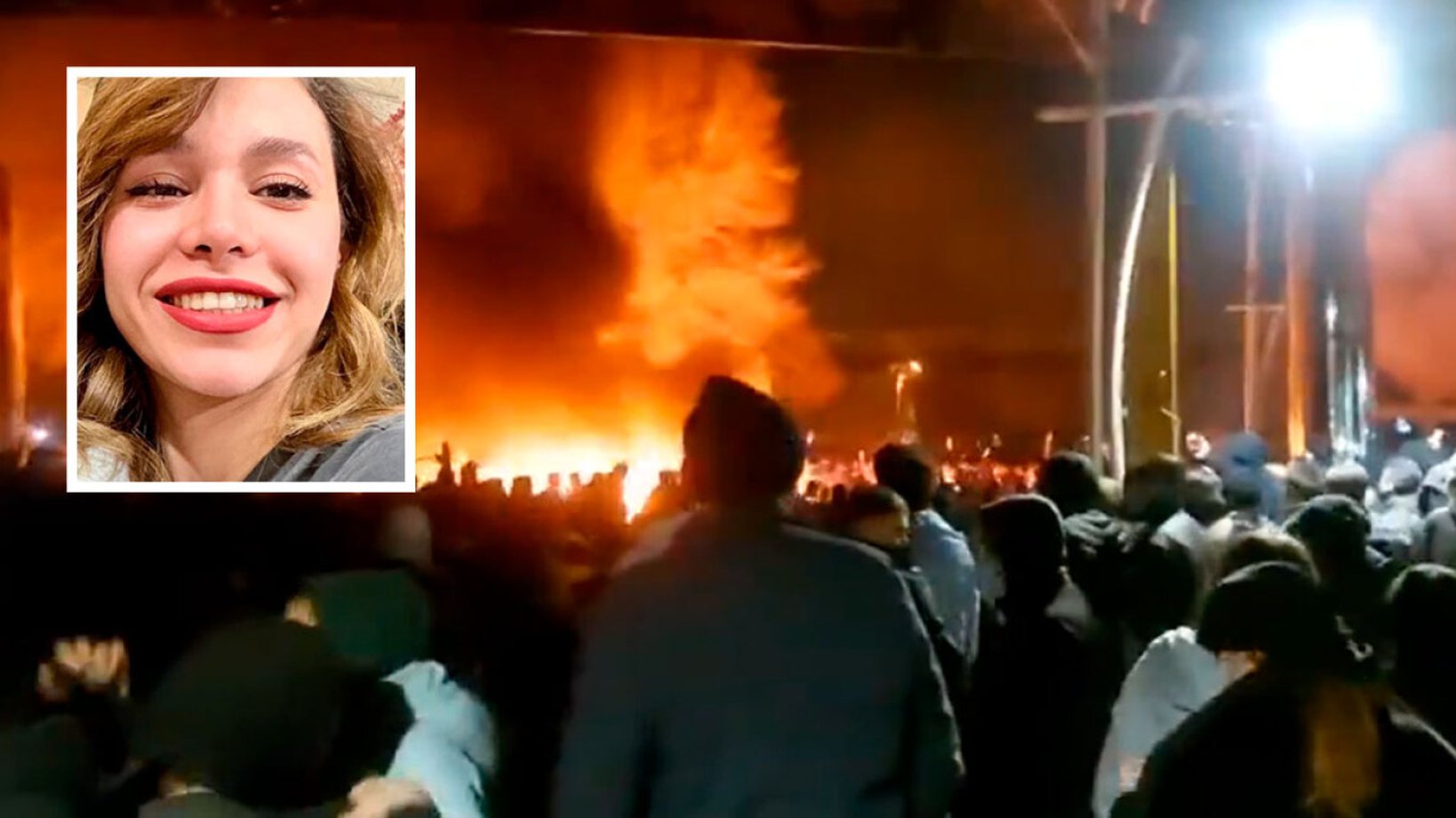
The parents arrived in Tehran at dawn and found Robina among hundreds of bodies, with a bullet wound to the back of the head. Many of the victims were young girls, with wounds to their necks and faces.
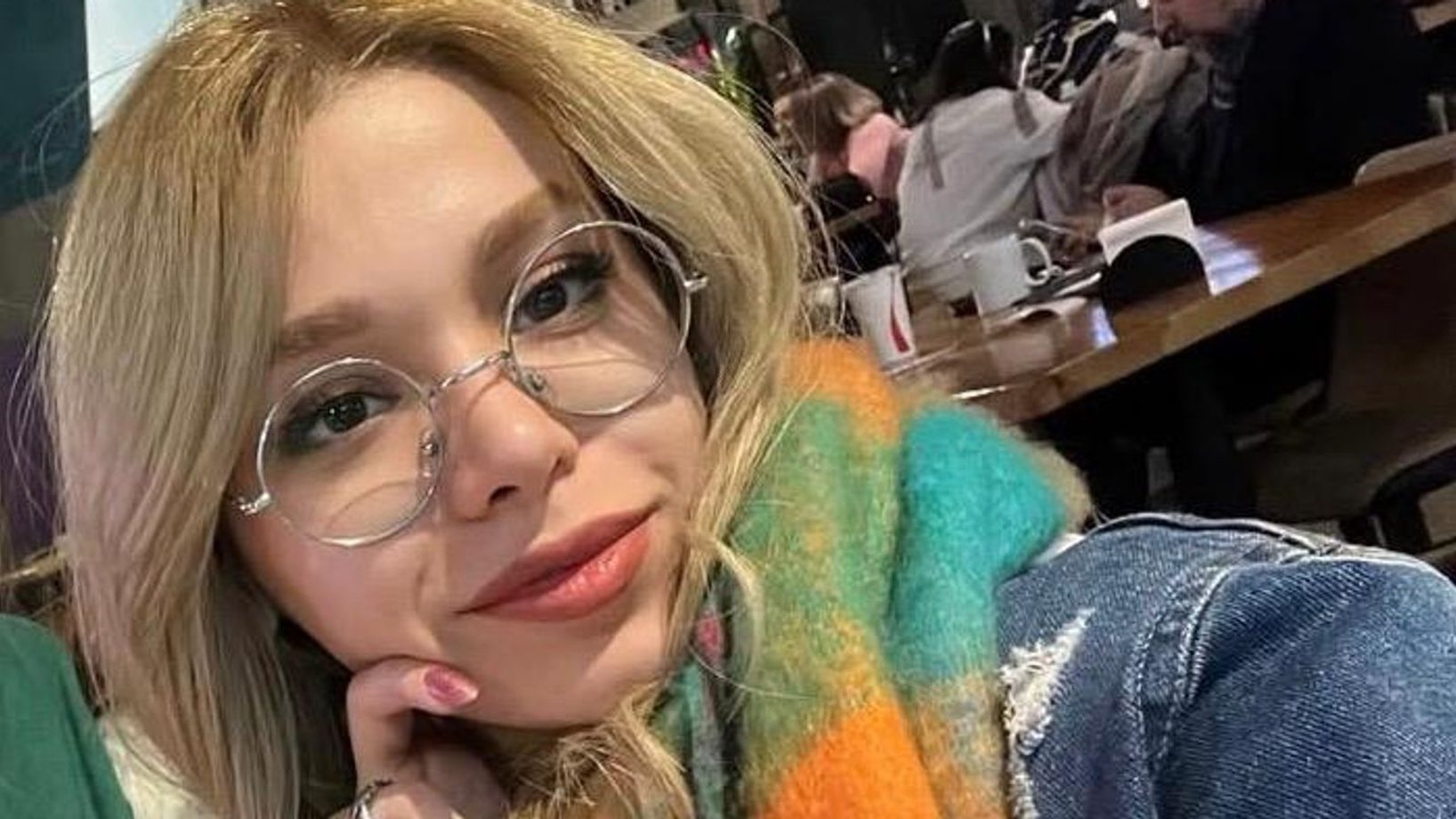
Robina Aminian loved fashion and posted photos of her hand-embroidered dresses on Instagram. She was equally passionate about politics and activism.
About a week ago, on January 8, the student finished class around 7 p.m. at Shariati Women's College in Tehran and set off with her friends for an anti-government demonstration near the campus.
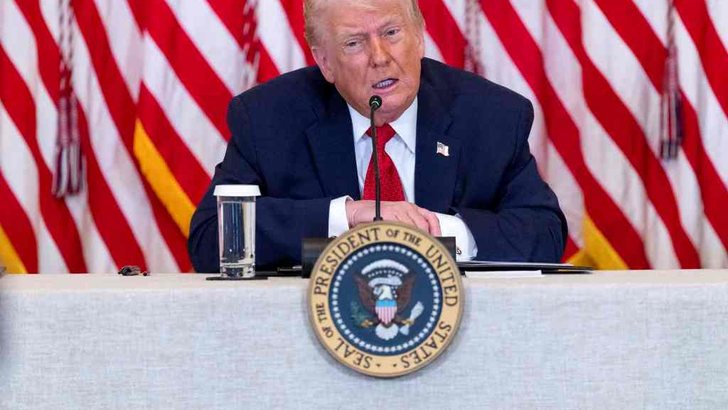
Protests in Iran had been going on for more than a week, but Aminian knew this day would be different. The rallies were growing, spreading to more cities, and the calls for regime change were growing louder. Donald Trump had threatened US military intervention if security forces opened fire on protesters.
The exiled crown prince, Reza Pahlavi, was calling on Iranians to take to the streets en masse at 8 p.m.
Robina Aminian's life was cut short that night, when she was between 22 and 23 years old.

"She was a girl full of enthusiasm for life, in love with design and fashion, whose dreams were buried by the violence of the oppressors of the Islamic Republic," said her aunt, Hali Nouri, speaking from abroad.
Last Wednesday, in an unexpected turn of events that raised many questions, Donald Trump declared that the killings of protesters had stopped and appeared to tone down his rhetoric against the Iranian regime. However, as Iranians reported to the Wall Street Journal, the calm came largely because security forces had unleashed an unprecedented wave of violence since late last week, which spread to dozens of cities.
The crackdown was carried out under a complete internet and telecommunications blackout, making it difficult to assess its true scale. Human rights organizations are trying to compile a death toll, based on images of body bags, testimonies from relatives, health workers and eyewitnesses.
#Breaking : The identity of another victim of the brutal suppression of anti-regime protests in #Iran has been confirmed. Robina Aminian, a 24-year-old university student from Marivan who was studying in #Tehran , was shot and killed by the regime's security forces in the Velenjak... pic.twitter.com/t0UmOBAxAJ
— Babak Taghvaee - The Crisis Watch (@BabakTaghvaee1) January 10, 2026
Despite the lack of complete data, evidence and assessments from organizations and intelligence services indicate that the bloodshed exceeds any previous wave of protests.
Initially, Iranian officials had acknowledged the economic causes of the unrest that erupted in late December. But as pressure on the regime mounted, the rhetoric hardened. The head of the judiciary warned that there would be no leniency for those who “aid the enemies of the Islamic Republic,” while senior officials – as did the supreme religious leader, Ayatollah Ali Khamenei himself – spoke of a war against “foreign-sponsored terrorists.”
Robina Aminian, a 23-year-old Kurd who studied fashion design in Tehran, is among the thousands of victims who died in Iran's violence. The family says that Robina has been hit and that she is in the neighborhood. pic.twitter.com/chm7sPwBEk
— Radio Slobodna Evropa (@RSE_Balkan) January 15, 2026
On the afternoon of January 8, thousands of Iranians took to the streets across the country, from Tehran and Isfahan to the religious city of Mashhad and dozens of smaller ones, chanting slogans for the fall of the Islamic Republic and “Death to the dictator.” This time, regime forces were prepared to respond more decisively, even if it meant engaging in a massacre. Units of the Revolutionary Guard and the paramilitary Basij militia, often in civilian clothes, were deployed en masse and armed with Kalashnikovs, while in a western Tehran neighborhood a heavy machine gun was even seen on a pickup truck.
Aminian left her school for the demonstration with her friends. At around 8:30 p.m., authorities cut off the internet nationwide and escalated the crackdown.
“We are pretty sure there was a massacre since late Thursday night all over the country,” said Hadi Ghaemi, director of the New York-based Center for Human Rights in Iran. “It was a regular war zone.”
A video from the Nazi Abad neighborhood shows protesters trapped in a narrow alley, where gunshots can be heard.
“They’re not letting them leave. They’re shooting them, they’re killing them,” a voice is heard saying. At the same time, Aminian’s mother in the city of Kermanshah received a call from a friend of her daughter’s, who told her that she had died. The parents arrived in Tehran at dawn and found Robina among hundreds of bodies, with a bullet wound to the back of the head. Many of the victims were young girls, with wounds to their necks and faces.
Her name was Robina Aminian, her dream was to study fashion in Milan. She was 23 from a Kurdish region in Iran. She had an Instagram account where she proudly showed off her Kurdish fashion and designs.
— Natalie Lisbon (@NatalieLisbona) January 12, 2026
Now we discover she was shot at close range in the back of her head by... pic.twitter.com/my2q9fYNOV
Despite orders to leave the bodies there, her mother secretly took the body and drove for six hours with her daughter's lifeless body in the back seat, crying the whole way. Similar scenes unfolded across the country. In Mashhad, among the victims was 50-year-old sculptor Mahdi Salahshour, a father of two. In the port of Bushehr, a man and a woman were shot dead near a mosque, leaving behind two young children.
Estimates of the death toll vary dramatically, from the “hundreds” acknowledged by Iran’s Foreign Minister Abbas Araghchi to the “thousands” claimed by organizations and intelligence agencies. Human Rights Activists in Iran report more than 2,600 deaths and over 18,400 arrests since late December, making the current crackdown the deadliest since the 1980s.
Iran's leadership has made no secret of its tough stance. Khamenei called the protesters "enemy agents" and called on security forces to act "with all their might," while the prosecutor warned that those who destroy property or take up arms could be charged as "enemies of God" - a crime punishable by death.
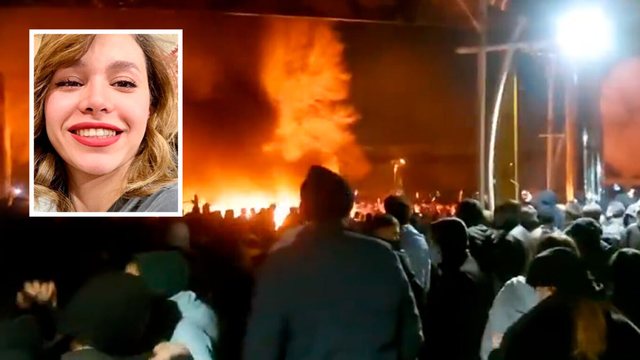
Robina Aminian’s family was not allowed to mourn her. The young girl was buried in an unmarked grave near Kermanshah. When her mother returned home, she found security forces watching her. “Mother can’t go anywhere anymore,” Robina’s uncle said. “They follow her like a shadow.”