Details of the storm in the administration, here's who will resi...
/ 2026-10-22 22:25:00Focus


Tariffs imposed by Donald Trump on a range of products, including the iPhone, are causing a huge wave of price increases.
According to a Reuters report, iPhones could soon become much more expensive due to new tariffs.
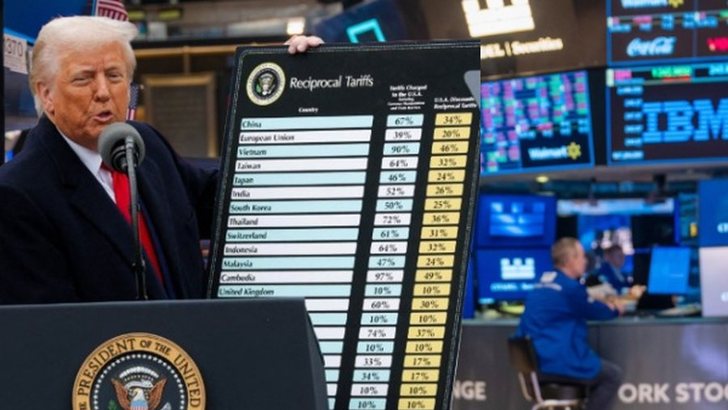
The US president has imposed sweeping tariffs on countries around the world that could fundamentally change the landscape of international trade. As analysts point out, iPhones could be seriously hit by the tariffs, with increases reaching 30% or even 40% if Apple decides to pass the cost on to customers.
Most iPhones are made in China, which has been hit with a 54% tariff. If those tariffs remain, then, as Reuters points out, Apple has the following options:
The company's shares closed down 9.3% on Thursday, April 3, marking their worst day since March 2020. According to data, Apple sells at least 220 million iPhones a year. The main markets are the US, Europe and China.
It is worth noting that the iPhone 16 (in the base model) was launched in the US at a price of $799 (i.e. 726.94 euros at today's exchange rate). However, it could reach $1,142 (1,039.94 euros), meaning its price could increase by 43%, if the cost is passed on to consumers.
The iPhone 16 Pro Max currently costs $1,599 (€1,455.01). If it increases by 43%, its price will reach $2,300 (almost €2,100).
The iPhone 16e, which launched in February as a budget option for access to Apple's AI features, costs $599, but with a 43% increase, it could reach $856. Prices for other Apple devices could also rise.
However, Apple has not yet officially commented on the matter, at a time when iPhones are reaching many consumers around the world, with many buying them in installments through contracts.
During his first term, Trump imposed tariffs on Chinese imports to pressure American companies to move production back to the United States or to neighboring countries like Mexico. At the time, Apple secured exemptions for many products, but no such relief has been granted this time. “The tariffs on China are going completely against expectations that Apple, an American icon, will be treated as leniently as in the past,” said Barton Crockett, an analyst at Rosenblatt Securities.
However, there are analysts who point out that iPhone sales are struggling in key markets, as Apple Intelligence, features such as notification summaries, email re-registration and access to ChatGPT, have not excited consumers.
Slow demand, combined with higher tariffs, could hurt Apple's bottom line. Angelo Zino of CFRA Research estimates that the company is unlikely to pass on more than 5%-10% of the cost to customers. "We expect Apple to avoid major price increases until the fall, with the launch of iPhone 17, when it typically plans price increases," he added.
Despite shifting some production to Vietnam (46% tariff) and India (26%), China remains the main manufacturing country. Neil Shah of Counterpoint Research estimates that Apple will need to raise prices by at least 30% on average to offset the tariffs.
"Our calculations show that Trump's tariffs could cost Apple up to $40 billion," Crockett noted, adding that potential negotiations with China and the White House could mitigate the impact.
Americans have certain "psychological" thresholds for describing something as expensive or cheap. For example, a car with a list price before taxes of over $60,000 is considered very expensive. Similarly, if the price of another virtual consumer product, such as the iPhone, skyrockets, it automatically activates the buying public's reflexes.
The rationale behind Trump's tariffs is to increase domestic production of goods and reduce the U.S. current account deficit. However, things may not go the way Trump wanted.