Is this police force professional and capable of handling violen...
/ 2026-10-16 18:54:07Focus


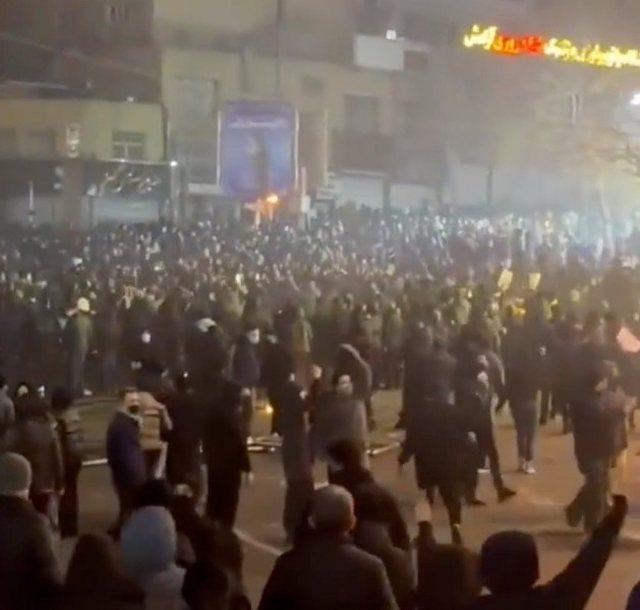
Mass protests that have erupted in Iran due to the economic crisis are facing a violent crackdown by the authorities.
According to the Human Rights Activists News Agency (Hrana), which is considered a reliable source, the number of victims has reached 65, while 2,311 people have been arrested. Most of the deaths were reported outside Tehran, in the provinces of Chaharmahal and Bakhtiari, Ilam, Kermanshah and Fars.
International reports speak of an even more dramatic situation. A doctor quoted by Time magazine stated that 217 protesters were killed in Tehran alone, based on data from six hospitals in the capital.
Authorities removed bodies from hospitals on Friday, he said, and most of the victims were young. Some were executed near a police station in northern Tehran, where security forces fired machine guns into the crowd, the Corriere della Sera reported. Activists say at least 30 people were shot in the incident.
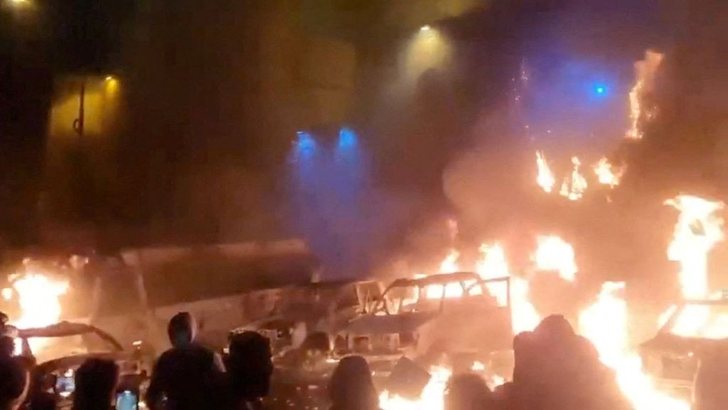
The protests are taking place under a strict internet blockade that, according to monitoring group NetBlocks, has lasted for over 36 hours, restricting the distribution of information and communication. Footage shared on social media, which cannot be independently verified, shows security forces vehicles burned and authorities opening fire on protesters.
Despite the internet outage, international media have been able to contact Iranian doctors via the Starlink satellite link. The BBC has reported on doctors and social workers who speak of hospitals overwhelmed with the wounded. Farabi Hospital, Tehran's main eye center, has entered a state of crisis, with non-urgent surgeries suspended to focus on emergencies. A similar situation has been reported in Shiraz, where doctors say they do not have enough surgeons to cope with the influx of patients, many of whom have gunshot wounds to the head and eyes.
According to sources in the Telegraph, Supreme Leader Ali Khamenei has raised the alert level to a higher level than in June, when Iran was at war with Israel. The decision shows that the regime is preparing for a harsh confrontation with its own people, while hospitals and civil society are facing serious consequences.