How Belinda Balluku is fabricating the rumor about Top Channel's...
/ 2026-10-19 16:19:54Focus


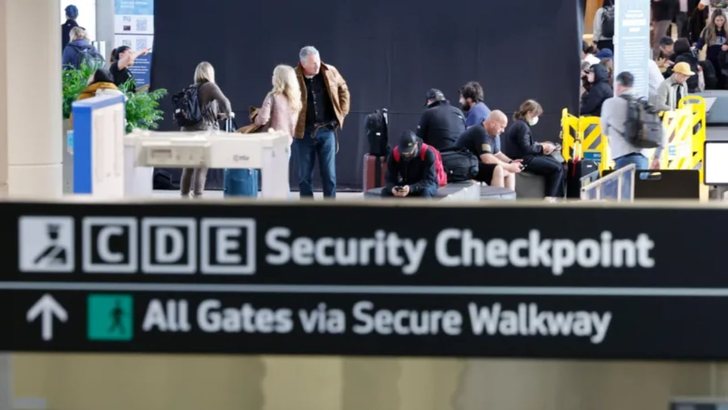
President Donald Trump's administration is preparing to further tighten controls on foreign visitors traveling to the United States, requiring applicants to submit the last five years of their social media activity before being allowed to enter the country.
According to a proposal filed Tuesday by U.S. Customs and Border Protection (CBP), the new checks would apply to anyone seeking an Electronic Travel Authorization (ETA). The authorization allows citizens from 42 countries to travel to the U.S. for up to 90 days without a visa.
The new requirement is expected to come into effect early next year, at a time when a large influx of visitors from around the world is expected due to the organization of World Cup matches in the USA.
Currently, visa waiver program applicants must provide a residential address, phone number, email, an emergency contact, and pay a $40 fee. But with the new changes, the list of obligations expands significantly: applicants will have to declare all personal and business numbers used in the last five years, personal and business email addresses used in the last decade, as well as details of immediate family members, including name, date of birth, birthplace, and address.
Applicants will also be subject to a detailed review of their online activity, a procedure that the Trump administration has already implemented for H-1B visa holders and their family members. Foreign students, professors, researchers, and participants in cultural or academic exchange programs already go through the same process.
In a State Department directive, officials are asked to verify any signs of "hostility toward the citizens, culture, institutions, or founding principles of the United States," as well as any potential support for terrorism, national security threats, or illegal anti-Semitic content.
In addition to these measures, since October 1, the administration has also imposed an additional fee of $250 for applicants from countries such as Brazil, China, India and Mexico, countries that are not part of the visa waiver program.
Critics see the initiative as a drastic expansion of surveillance on foreign visitors, while supporters argue that the new measures are aimed at increasing national security at a time of tensions and ongoing threats to the U.S. In any case, prospective travelers should prepare for more extensive checks and longer verification procedures before being allowed to enter the country.