How Belinda Balluku is fabricating the rumor about Top Channel's...
/ 2026-10-19 16:19:00Focus


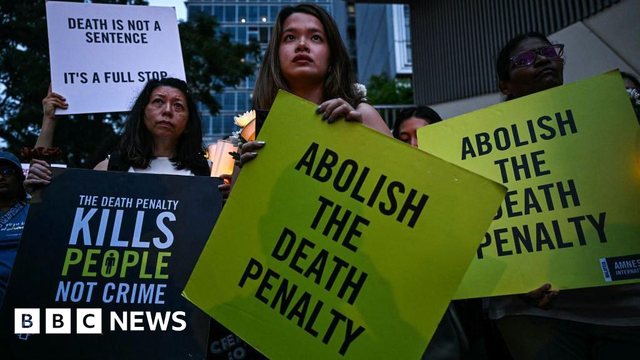
Singapore has executed three people in two days for drug-related offences, bringing the total number of death sentences carried out this year to 17, the highest since 2003. The executions come just a week before the Supreme Court is due to hear a case claiming the death penalty is unconstitutional.
Singapore is known for having some of the world's toughest drug laws, which the government considers essential to preventing crime and maintaining public safety. Under current legislation, anyone convicted of trafficking in certain quantities, over 15 grams of diamorphine, 30 grams of cocaine, 250 grams of methamphetamine or 500 grams of cannabis, is automatically sentenced to death.
Seven activists have challenged the law, arguing that the mandatory death penalty violates the constitutional right to life and equal protection before the law. They point out that Singapore remains one of the few countries that continues executions for drug crimes, while the international community has moved towards their abolition.
Authorities defend their stance, warning that abolishing the death penalty would have serious consequences, including an increase in crime, violence and drug-related deaths. Home Affairs Minister K. Shanmugam has stated that criminal policy is designed to protect the majority of citizens and avoid putting innocent people at risk.
Among those executed was Malaysian driver Saminathan Selvaraju, convicted of transporting over 300 grams of heroin in 2013. His defense, claiming that he had not been the driver of the vehicle at the time the drugs entered the country, was rejected by the court.
Critics point out that the laws mainly target poor couriers, not traffickers. The European Union condemned the increase in executions, noting that drug crimes do not meet the criteria for “most serious crimes” under international law. Meanwhile, a 2023 poll showed that a majority of citizens support capital punishment for large-scale trafficking, reflecting the deep division of public opinion on the issue.