Details of the storm in the administration, here's who will resi...
/ 2026-10-22 22:25:00Focus


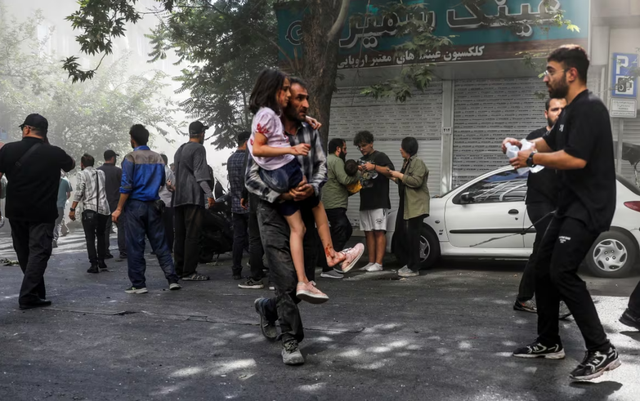
"This is a massacre. The explosions have not stopped. Children are crying and we fear that many civilians have lost their lives. There is a smell of death in the air," a 25-year-old Iranian analyst told The Guardian.
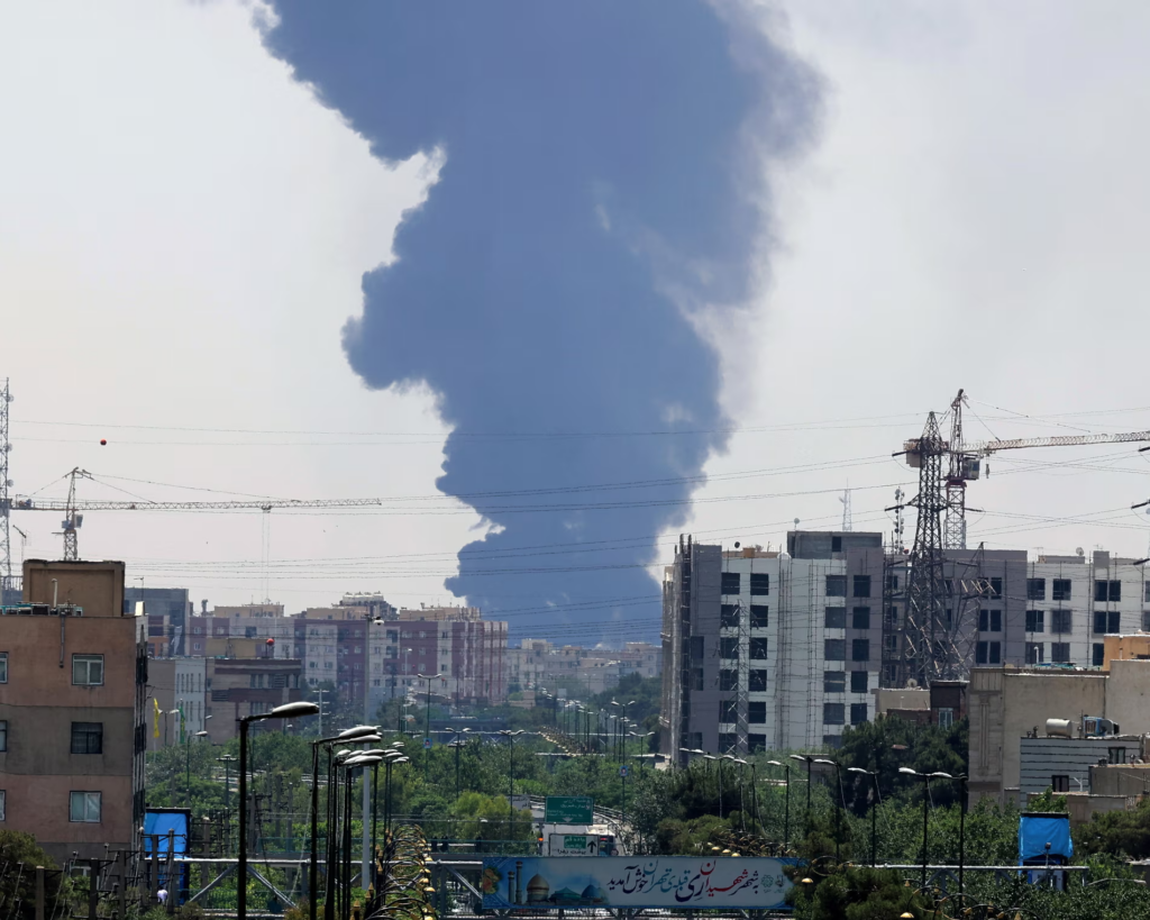
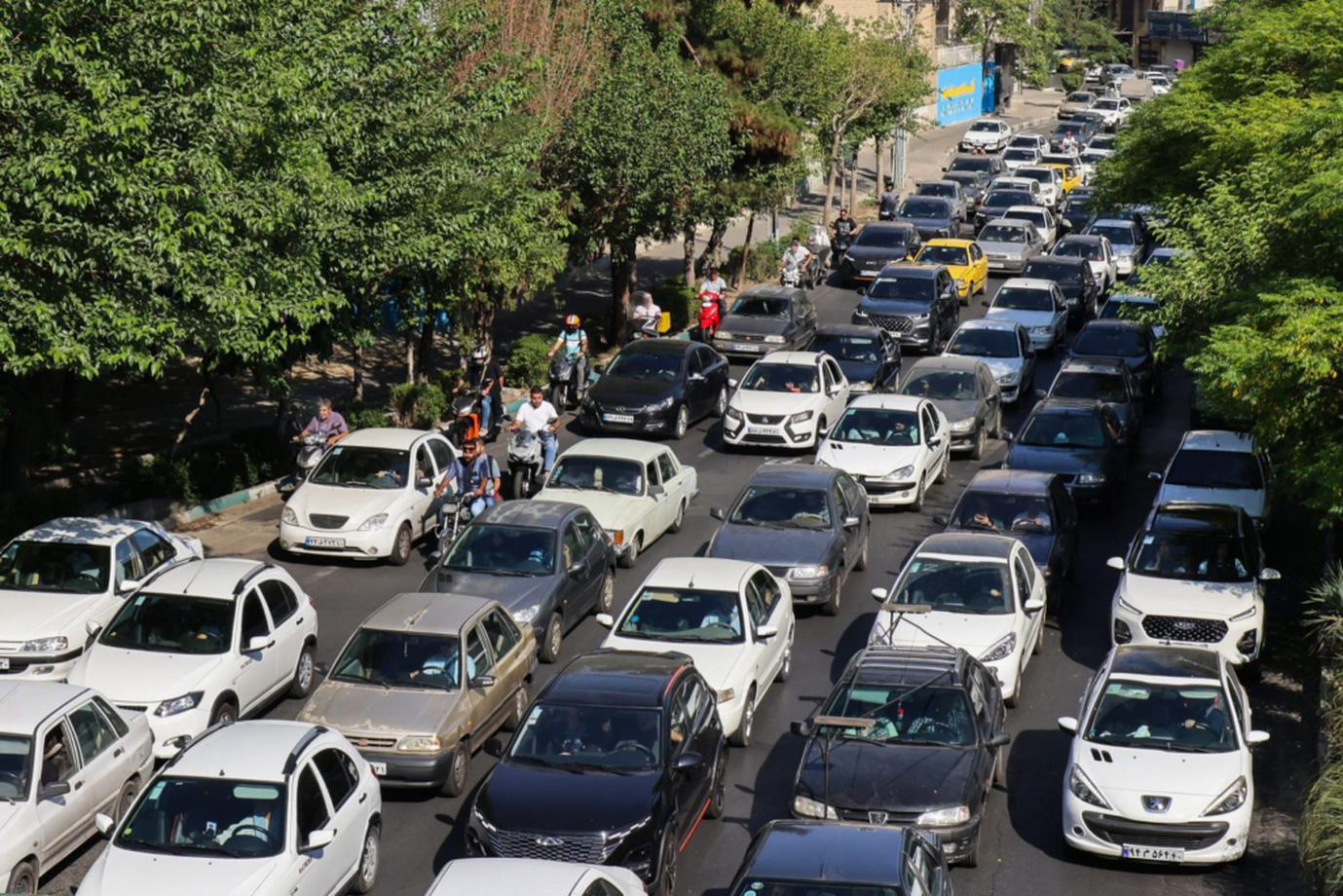
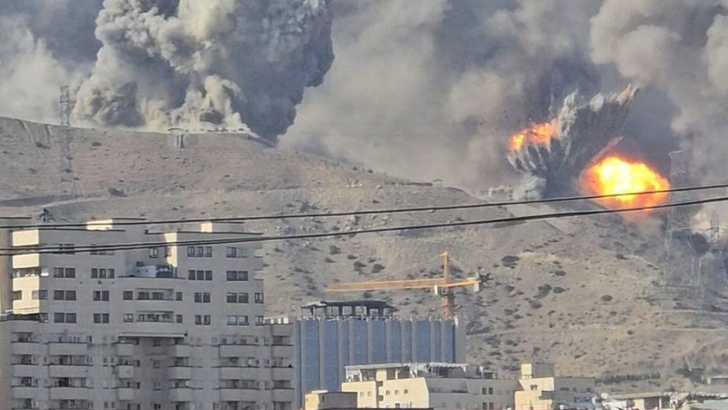
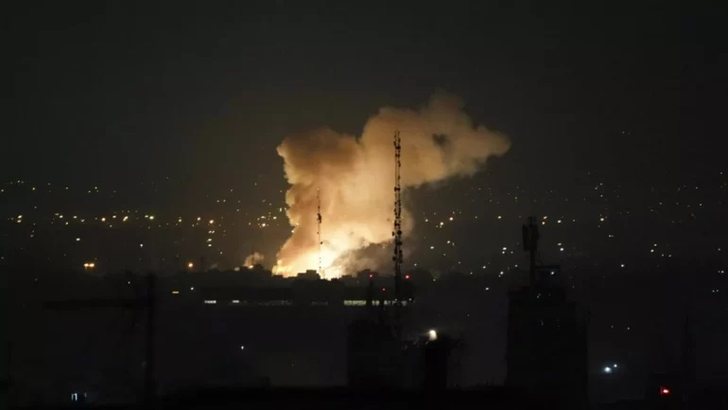
It is learned that on Sunday, June 15, residents left Tehran for rural areas, as Israeli attacks on the Iranian capital escalated, with bombs falling on residential and institutional buildings.
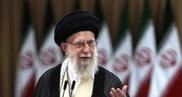
The bombing began early Friday morning, when Israel carried out hundreds of strikes in an operation it said was aimed at preventing Iran from using nuclear weapons. Iran quickly responded with a wave of ballistic missiles and has continued to strike Israel, causing several casualties, including three children.
As the conflict continues to deepen, Iranian authorities have announced that they will open Tehran's metro stations and schools to be used as shelters.
"Unfortunately, we in Tehran and other cities do not have dedicated shelters," said Mehdi Chamran, the chairman of the city council, calling for residents to use tunnels and basements as temporary shelters from the bombing.
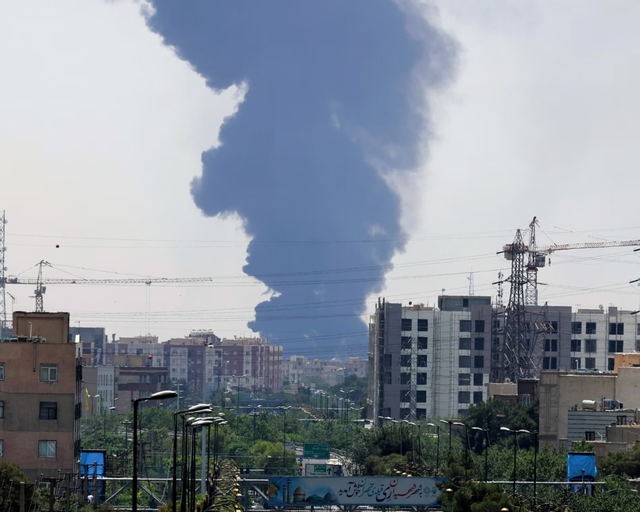
The Israeli attack caught Iranian citizens and the government by surprise, as Israeli planes flew almost unhindered over Iranian airspace.
"We are not sure that mosques, schools or metro stations will be safe. What if we are buried under rubble? My sisters and I will ask our parents and neighbours to leave the house," Nahid told The Guardian.
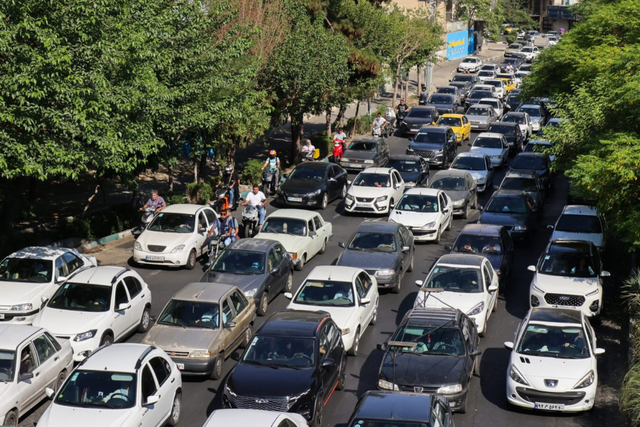
Chaos reigns on the streets of Tehran, as residents rush to buy food before shops close, while the bombings continue.
“People are running in the streets and screaming. It’s extremely dangerous to go out now, but we have no choice,” said Reza, a student at Tehran University. The 21-year-old added that there are long lines at gas stations, where he and others filled up their vehicles before leaving the city.
Experts believe the Israeli attack came at a critical moment for the Iranian government, which has been rocked by protests in recent years and a deepening economic crisis.
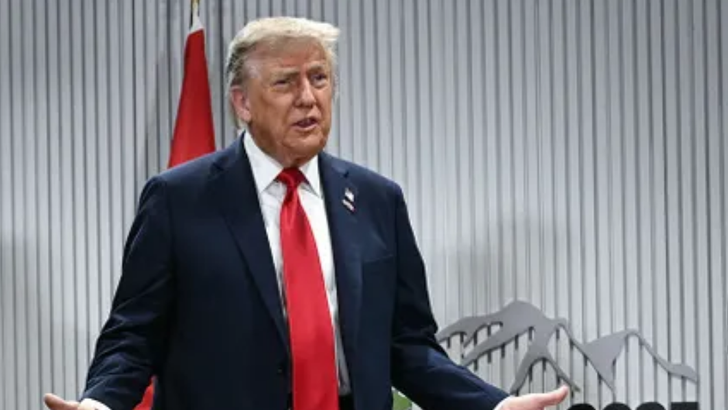
Prices for food and other goods have risen sharply in the past year, while the Iranian currency has lost much of its value. After returning to office in January, former US President Trump signed an executive order that tightened sanctions against Iran, shutting down oil exports.