Is this police force professional and capable of handling violen...
/ 2026-10-16 18:54:07Focus


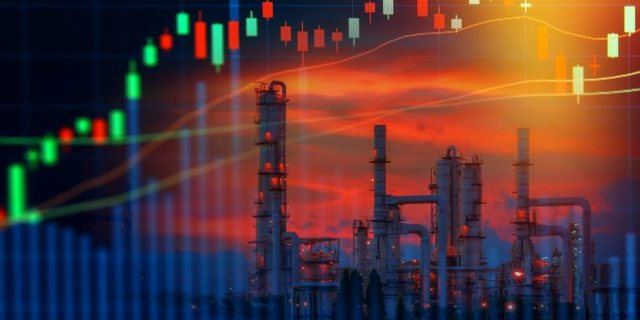
Europe is once again at an economic crossroads. The fallout from the war in Iran is rapidly becoming a staggering financial burden for the continent, which was just beginning to recover from the crisis caused by Russia's invasion of Ukraine in 2022.
The European Commission unveiled a series of emergency measures on Wednesday to protect the economy from rising energy bills. “For the second time in less than five years, Europeans are paying the price of their dependence on imported fossil fuels,” the EU’s executive arm said. According to the data, the bloc has spent an extra 24 billion euros ($28 billion) on price increases alone — about $587 million every day — without buying a single molecule of energy.
EU measures: Coordination and emergency intervention
To cope with the shock, the EU plans to set up a pan-European body that will identify and coordinate fuel shortages, as well as the management of national reserves.
Aviation Sector in Danger
The International Energy Agency and ACI Europe have warned of potential jet fuel shortages. Europe imports about 70% of its needs. Industry groups have called for an “urgent suspension of aviation taxes” to keep prices under control.
Hitting big businesses
Companies like Lufthansa announced the reduction of 20,000 flights by October due to the doubling of fuel prices. On the other hand, chemical giant BASF has increased prices by up to 30% for vital products, while the German chemical industry warns of factory closures and job cuts.
Traditional sectors
Survival is also becoming difficult for fishermen. The EU has activated a "crisis mechanism" to offer direct financial support to the sector, as fuel costs are making it impossible to get seafood to market.
Recession risk and impact on consumers
Neil Shearing, chief economist at Capital Economics, warns that a continuation of the war with Iran in the first half of this year could plunge Europe into full-blown recession. The International Monetary Fund has already cut its growth forecasts for 21 eurozone countries and revised the UK's growth forecast sharply downwards.
In the UK, inflation rose again this month. The price pressure at the pump is just the “first wave of the shock”, says economist Adam Deasy. He says the second wave will hit critical by-products: agricultural fertilisers, plastics and metals. The situation has also affected the health and food sectors, with critical shortages of carbon dioxide (CO2), a by-product of chemical fertilisers, whose market has been blocked by the rise in the gas.
Faced with this situation, European governments, including London, are rushing to increase domestic solar and renewable energy capacity, a desperate attempt to keep the continent's economy afloat on the brink of the next crisis.