Protests, violence, curfews: From France to Albania, why Europe'...
/ 2026-10-20 23:47:20Focus


"The United Arab Emirates has launched its first attack on Iran," Israeli media reported, noting that the attack targeted an Iranian desalination plant.
"Israel believes that the attack is, for now, simply a signal to the Iranian regime; however, if Tehran's attacks intensify, there is a real possibility," Israeli media reported, "that the Emirates could join the conflict in a limited capacity."
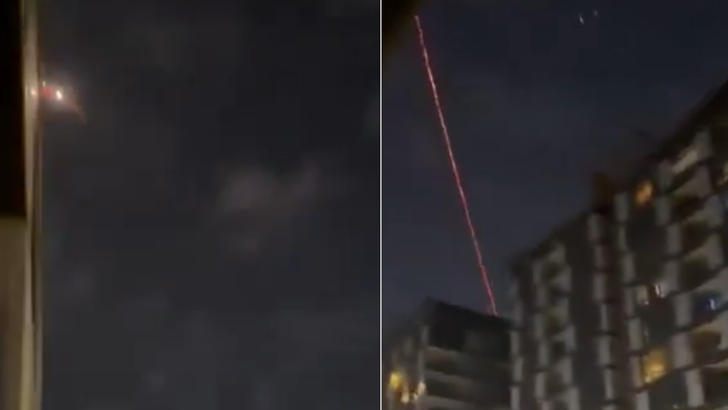
Meanwhile, Abu Dhabi announced that "air defenses detected 17 ballistic missiles, 16 of which were destroyed, while one fell into the sea. 117 drones were also detected, of which 113 were intercepted and 4 fell in national territory."
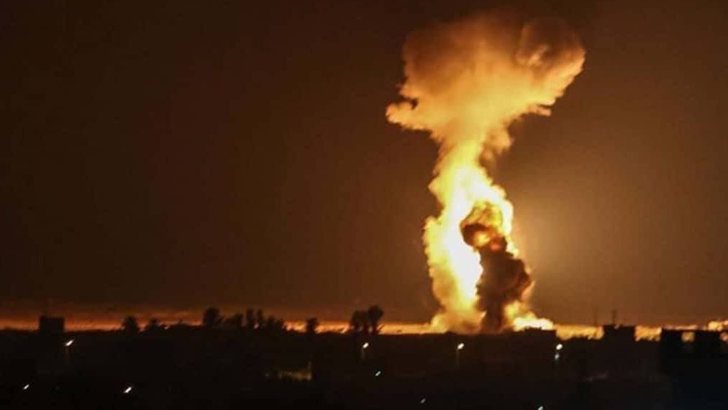
On the ninth day of the conflict in the Middle East, the Israeli population was awakened by a new barrage of ballistic missiles, to which it responded a few hours later by launching a new wave of attacks against Iran.
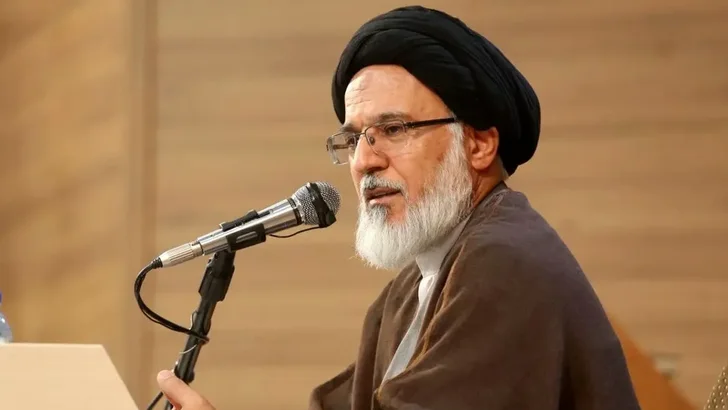
Meanwhile, in Tehran, experts appear to have reached an agreement on Khamenei's successor as Supreme Leader, although the name has not yet been officially announced.
During the night, Israeli forces carried out a precision strike on a high-rise building in Beirut, reporting that they had killed four people: "We killed an Iranian commander of the Pasdaran."
Despite President Pezeshkian's words, Iran continues unabated in launching missiles and drones against Gulf countries.
Saudi Arabia has reportedly intercepted several planes packed with explosives over Riyadh, including one that targeted the diplomatic residence.
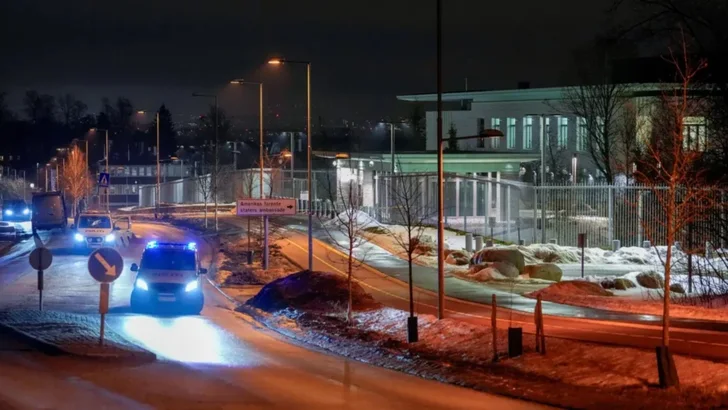
Overnight, an explosion also hit the US Embassy in Oslo, Norway. No injuries were reported.
According to the Axios website, the US is discussing internally the possibility of using special forces in Iran to steal enriched uranium.