How Belinda Balluku is fabricating the rumor about Top Channel's...
/ 2026-10-19 16:19:00Focus


As Kosovo approaches its legislative elections on February 9, 2025, the country's reform trajectory and its alignment with Western allies have become major topics of discussion.
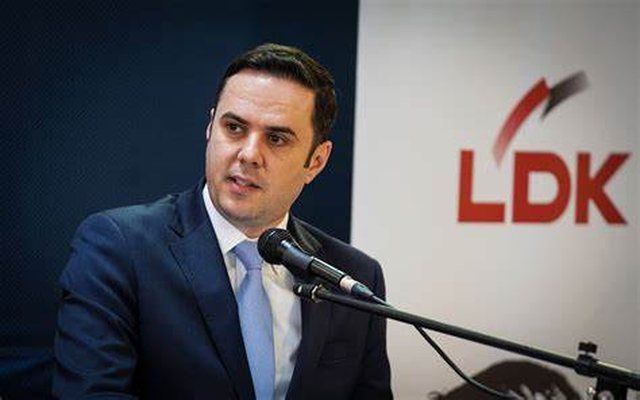
Lumir Abdixhiku, leader of the Democratic League of Kosovo (LDK), presents a vision aimed at accelerating the country's reform agenda through strengthened partnerships with Western countries, including the United States under the renewed administration of President Donald Trump.
Progress Amid Challenges Since declaring independence in 2008, Kosovo has made significant strides in economic development and governance. The World Bank predicts sustained economic growth, attributing this optimism to ongoing reforms and strategic investments designed to raise living standards.
Despite these achievements, challenges remain. The European Commission's Kosovo 2024 report highlights the need for further reforms in areas such as the independence of the judiciary, the efficiency of public administration and the fight against corruption.
Economic growth, although positive, remains below potential and youth unemployment remains a pressing concern. Kosovo's next government will need to act decisively to maintain momentum and accelerate the reform process.
Abdixhiku's reform agenda Lumir Abdixhiku advocates a comprehensive reform strategy designed to address these challenges and accelerate Kosovo's integration into European and global structures. His platform emphasizes:
1. Justice reforms: Strengthening the independence of the judiciary to guarantee fair and efficient legal proceedings, which is essential for attracting foreign investment.
2. Economic Development: Creating a business-friendly environment through regulatory reforms, incentives for foreign investment, and innovation-oriented policies.
3. Anti-Corruption Measures: Establishing transparent public procurement processes and strengthening oversight of government institutions.
4. Modernization of Public Administration: Increasing efficiency and accountability in government institutions to better serve citizens and investors.
“Kosovo’s future is linked to our ability to implement bold reforms and deepen our partnerships with Western allies,” Abdixhiku said recently.
Engagement with Western allies
A core component of Abdixhiku's vision is strengthening relations with the United States and Europe.
He has repeatedly stressed the importance of maintaining Kosovo's close ties with Washington and Brussels, especially as the country undergoes economic and political reforms.
His diplomatic efforts have focused on policy alignment with Western countries, particularly in areas such as:
1. Regional security and NATO cooperation
2. Economic integration with EU markets
3. Joint initiatives in anti-corruption efforts
Abdixhiku has also publicly congratulated Western leaders, including President Trump, on their electoral victories, signaling his intention to deepen bilateral relations with the US.
A pragmatic partner for the Trump administration
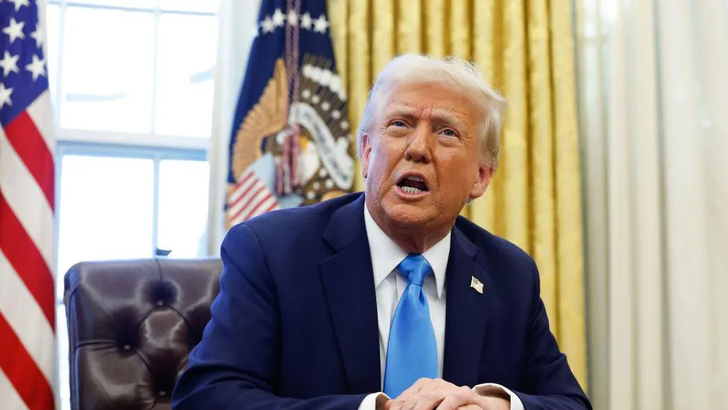
With Donald Trump's return to the White House, the geopolitical landscape in the Balkans could change significantly.
Abdixhiku's pragmatic leadership style and focus on economic growth, regional stability, and strong defense ties align with many of the priorities outlined by Trump's foreign policy team.
Abdixhiku has pledged that, if elected, his first visit abroad will be to Washington, DC, where he intends to advocate for:
1. The sustainability of Camp Bondsteel, a major US military base in Kosovo.
2. Increasing US investment in Kosovo's infrastructure and energy sector.
3. Closer security cooperation with NATO and European partners.
A stark contrast to Kurti in leadership style
Abdixhiku's diplomatic strategy is in stark contrast to that of current Prime Minister Albin Kurti.
Kurti's approach to governance has sometimes led to friction with the United States and EU officials, particularly regarding Kosovo-Serbia relations and domestic policy decisions.
Kurti's administration has faced criticism from Western diplomats for unilateral moves, such as closing Serb-run institutions in northern Kosovo without prior consultations with the US and EU.
In contrast, Abdixhiku has positioned himself as a consensus builder, advocating for a more collaborative and results-oriented approach to Kosovo's foreign policy and reform efforts.
Accelerating reforms through diplomatic and economic engagement
Abdixhiku's ability to balance domestic reforms with strong Western partnerships could make him a catalyst for faster economic and political progress in Kosovo.
His pro-business policies and commitment to fiscal transparency closely align with the US administration's priorities in the Balkans.
By focusing on economic modernization, judicial independence, and anti-corruption reforms, Abdixhiku aims to create a stable investment climate that will attract both American and European businesses.
Increasing the pace of reforms Kosovo has already made substantial progress, but the pace of reforms must increase if the country is to fully integrate into Western institutions and global markets.
Lumir Abdixhiku's leadership offers a path to accelerating these reforms, using stronger diplomatic ties with Washington and Brussels to promote economic growth, institutional modernization, and political stability.
With Donald Trump returning to the White House, Kosovo's future leader will need to navigate complex geopolitical dynamics while securing the support of the US and the EU.
Abdixhiku's strategic approach – prioritizing reform while strengthening alliances – positions him as a key figure in shaping Kosovo's future on the global stage.
The February 9 elections will determine whether Kosovo embraces this accelerated path forward – one that requires greater Western cooperation and a faster implementation of long-awaited reforms.