Is this police force professional and capable of handling violen...
/ 2026-10-16 18:54:07Focus


Wes Streeting has admitted he is uncomfortable with the forcible deportation of families under the Home Secretary's migration plans, while insisting it is still the right thing to do.
The Guardian writes that the health secretary said he thought the number of forced removals would be low under the proposed model, which is similar to Denmark's, because there would be an increased financial incentive for people who enter the UK illegally to return to their country of origin.

When asked if he was comfortable with a policy that dozens of Labour MPs oppose, Streeting said: Honestly? Comfortable? No. But is it the right thing to do for the country? Yes.
Streeting's comments appear to signal that he has sympathy for some of the concerns of Labour Party MPs, two dozen of whom have raised concerns about families being forcibly removed if they refuse financial incentives to return to their country.
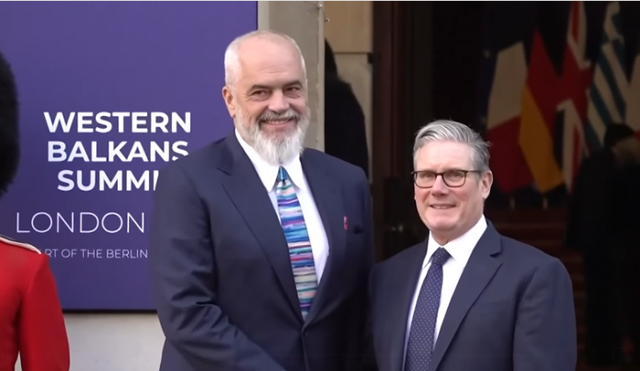
Keir Starmer and Mahmood are facing the threat of a revolt over the policy, at a time when the party's soft left is expressing growing dissatisfaction with the Labour Party's leadership. The policy also drew international criticism on Wednesday when Albania's Prime Minister, Edi Rama, accused Mahmood of "ethnic stereotyping" and "indecent demagoguery".
Rama, who leads the country's socialist party, questioned how a Labour Party politician could "so weakly repeat the rhetoric of the far-right populist" after Mahmood's officials singled out 700 Albanian families for deportation.
He wrote in X: “How can a Labour home secretary so weakly echo the rhetoric of the far-right populist and single out 700 Albanian families, a statistical dot in the ocean of Britain’s post-Brexit challenges, at a time when the UK and Albania have built one of Europe’s most successful partnerships on illegal migration?”
Albanians are a net contributor to the British economy and the number of Albanians receiving benefits from the UK is very low compared to other communities. To single them out consistently is not politics – it is a disturbing and inappropriate exercise in demagogy.
Mbretëria e Bashkuar duhet të kërkojë mënyra për të thelluar bashkëpunimin me Shqipërinë në të gjitha çështjet e sigurisë - nga mbrojtja te mbrojtja e kufijve - në vend që t’i fajësojë vazhdimisht shqiptarët dhe kështu t’i ekspozojë qytetarët e një kombi aleat ndaj rreziqeve në rritje, përfshirë ato nga grupet ekstremiste që lulëzojnë mbi narrativa të tilla. Politika zyrtare nuk duhet të udhëhiqet kurrë nga stereotipet etnike.
Një burim nga qeveria shqiptare tha se kishte tensione në rritje midis qeverive të Shqipërisë dhe Mbretërisë së Bashkuar, pavarësisht bashkëpunimit të suksesshëm mbi politikat e imigracionit. Sulmi i Ramës ka shkaktuar gjithashtu shqetësim në Whitehall, sepse Ballkani Perëndimor shihet si një rrugë kryesore tranziti për azilkërkuesit që përpiqen të arrijnë në Mbretërinë e Bashkuar.
Oficerët e sigurisë kufitare të Mbretërisë së Bashkuar u dërguan në Shqipëri, Serbi, Mal të Zi, Kosovë, Maqedoninë e Veriut dhe Bosnjë e Hercegovinë gjatë verës për të ndërtuar lidhje dhe për të mbledhur informacione mbi bandat e kontrabandës.
Duke njoftuar politikën e azilit të hënën, Mahmood tha: Ne duhet të largojmë ata që kanë dështuar në kërkesat për azil, pavarësisht se kush janë ata. Sot, ne nuk po largojmë grupe familjare, edhe kur e dimë që vendi i tyre i origjinës është plotësisht i sigurt. Për shembull, ka rreth 700 familje shqiptare që jetojnë në strehim të financuar nga taksapaguesit, të cilat kanë dështuar në kërkesat e tyre për azil, pavarësisht një marrëveshjeje ekzistuese kthimi dhe Shqipërisë që është nënshkruese e Konventës Evropiane për të Drejtat e Njeriut. Pra, tani do të fillojmë largimin e familjeve. Kur është e mundur, do të inkurajojmë një kthim vullnetar, por aty ku është i nevojshëm një kthim i detyruar, kjo është ajo që do të bëjmë.
Ministria e Brendshme ka pohuar se ka rreth 700 familje shqiptare në Mbretërinë e Bashkuar pa të drejtë të qëndrojnë në vend, por deri më tani Ministria e Brendshme ka zgjedhur të mos i japë përparësi dërgimit të tyre në shtëpi. Kërkesat për azil nga shqiptarët mbeten të ulëta dhe ka pasur një rënie prej më shumë se 90% të mbërritjeve nga Shqipëria me varka të vogla që nga viti 2022.
Andi Hoxhaj, një bashkëpunëtor nga Instituti Mbretëror i Shërbimeve të Bashkuara, tha se qeveria e Mbretërisë së Bashkuar duket se po i shënjestron dhe po i veçon shqiptarët në retorikën e saj.
He said: “We saw the same problem under the previous Conservative administration and both the Albanian community and the Albanian government are deeply frustrated by the return of this narrative. This rhetoric seems increasingly to be linked to the government’s attempt to reinterpret or reform the ECHR provisions on family rights, using Albanians as an example to make a wider political argument, as the Reformists and the Conservatives have done using Albanians as an example. By specifically mentioning Albania, the Home Secretary is also responding to Farage’s messaging, as he has made Albanians a central part of his rhetoric.
This is not the first time that Rama, one of Europe's most extravagant leaders, who knelt while greeting the Italian Prime Minister, Giorgia Meloni, at an EU summit in May, has criticized a UK Home Secretary.
In November 2022, he accused Suella Braverman of “inciting xenophobia and targeting, singling out a community” when she accused some Albanians of abusing modern slavery laws.
A spokesman for the Ministry of the Interior said: “We welcome the partnership with Albania on returns. However, today thousands of families who have not been granted asylum are stranded in accommodation and support at taxpayers’ expense, despite their country of origin being completely safe. The government makes no apologies for having started to move families home.