"We are drowning..." - From Lisbon, Milan to Tirana, "The Guardi...
/ 2026-10-18 23:13:32Focus


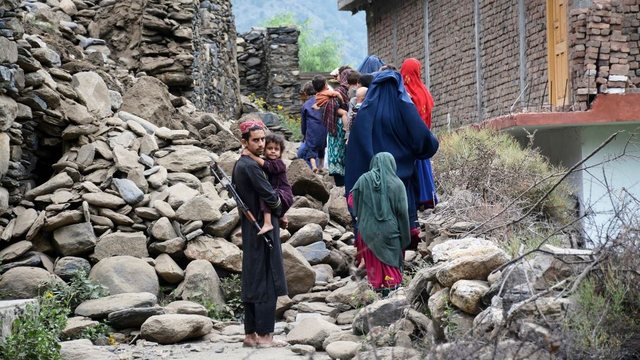
Afghanistan is one of the most earthquake-prone countries, as it sits on several seismic fault lines where the Indian and European tectonic plates meet. This makes the region particularly susceptible to strong tremors, writes the BBC.
Historically, the country has experienced devastating earthquakes due to poor construction and limited infrastructure.
In 2023, more than 1,400 people died after a series of 6.3 magnitude earthquakes in the west, near the city of Herat. A year earlier, a 5.9 magnitude earthquake struck the east of the country, killing at least 1,000 people and injuring 3,000.
Although the magnitude was medium, the damage was extensive because the earthquake was shallow, only 10 km below the surface.
Sunday's quake was even shallower, just 8km underground, increasing the risk of casualties and injuries. Residents of remote villages are most at risk, as their homes, built of wood, mud bricks or weak concrete, are not earthquake-resistant.
Furthermore, landslides caused by earthquakes in the Afghan mountains make it difficult for rescue teams to reach victims.
Afghanistan, a mountainous country with hundreds of remote villages, has a long history of natural disasters that have exacerbated the humanitarian consequences. In addition to earthquakes, ongoing wars and conflicts make the country more vulnerable to humanitarian crises, complicating aid and rescue efforts.