Berisha: Altin "Troplini" Dumani amnestied electoral crimes, SKA...
/ 2026-10-19 11:44:20Focus


Over 1 billion people worldwide suffer from mental health problems, particularly anxiety and depression, which are the most common disorders, while mental distress is responsible for over 700,000 suicides each year. Despite this, public spending on mental health has remained stable for years and amounts to only 2% of total health budgets.
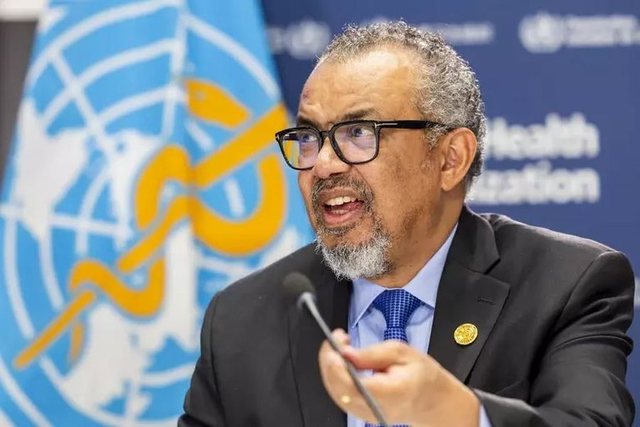
These are the findings of two reports published today by the World Health Organization, according to whose head, transforming mental health services is one of the most urgent public health challenges.
"Every government and every leader has a responsibility to act urgently and ensure that mental health care is treated not as a privilege, but as a fundamental right for all," WHO Director-General Tedros Adhanom Ghebreyesus said in a statement.
The reports (World Mental Health Today and Mental Health Atlas 2024) analyze the impact of mental illnesses and the progress made by countries in implementing services dedicated to these conditions.
Women tend to be more affected (around 14.8% of the female population suffers from mental disorders compared to 13% of the male population). Anxiety disorders are the most common (affecting 4.4% of the population); followed by depression (4%), problems related to intellectual disability (1.2%) and ADHD (1.1%).
However, there are significant differences between age groups and genders: "Depressive and anxiety disorders are more common in women than in men across the lifespan, while men are significantly more likely to have intellectual developmental disorders (idiopathic), autism spectrum disorders, conduct disorders and ADHD," the report says.