Berisha: Altin "Troplini" Dumani amnestied electoral crimes, SKA...
/ 2026-10-19 11:44:20Focus


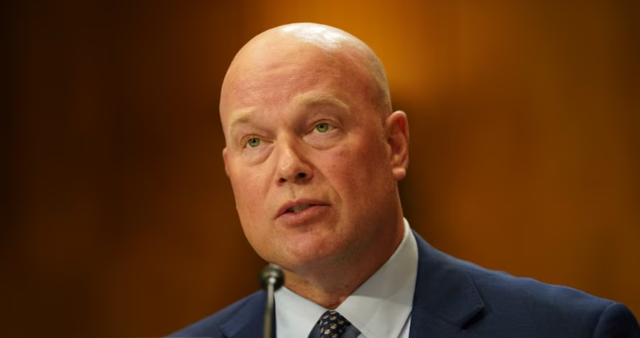
The US Ambassador to NATO, Matthew G. Whitaker, stated in one of the panels of the Bled Strategic Forum that the United States of America is closely following the situation in Serbia and the Republika Srpska entity of Bosnia and Herzegovina.
Washington's goal is clear, as was understood from the ambassador's message: Not to allow any development that could lead to regional conflict.
"We are following very carefully everything that is happening both in Republika Srpska and in Serbia. Currently, we are focused on ensuring that the situation does not turn into a potential regional conflict. The United States wants stability in the Western Balkans, and this is also important for European partners within NATO, who have an obligation to act together in crisis situations," said Matthew G. Whitaker, US ambassador to NATO.
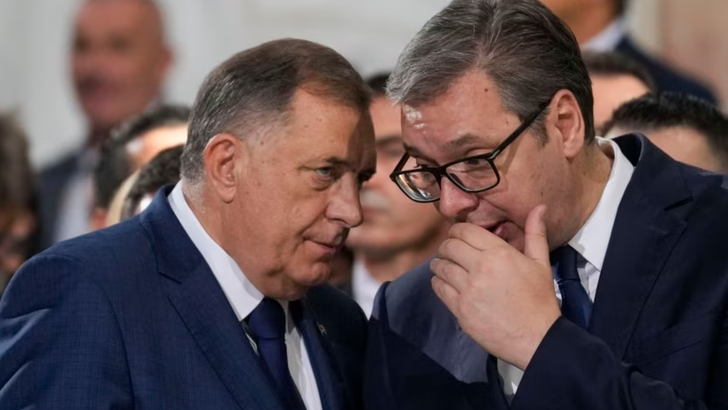
Serbia has been engulfed for months by anti-government protests, which have often turned violent, while President Aleksandar Vučić, without any evidence, accuses foreign agitators of trying to foment revolution.
In Republika Srpska, meanwhile, Milorad Dodik is challenging the decision of the Court of Bosnia and Herzegovina to strip him of his presidential mandate following a conviction and is constantly threatening to separate this entity from the rest of Bosnia.
Asked if NATO would intervene if the political crisis escalated into an armed conflict, especially in Bosnia and Herzegovina, but also in Serbia, Whitaker recalled that the alliance acts unanimously, even though he sees such a scenario as remote.
"If NATO is going to get involved... The number one rule in politics is not to respond to assumptions. I think we'll have to see how things play out," the US ambassador to NATO declared.
Whitaker added that "NATO is stronger than ever" and that "this, he said with a laugh, must be very worrying for our adversaries."