Is this police force professional and capable of handling violen...
/ 2026-10-16 18:54:07Focus


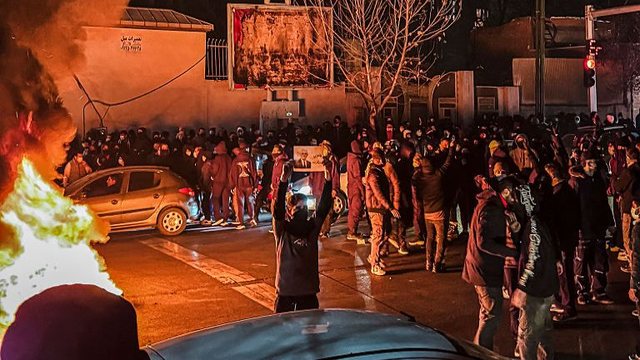
Days before protests erupted in Iran in late December, Israeli officials informed the Iranian leadership through Russia that they would not launch attacks on Iran unless Israel was attacked first, the Washington Post reports.
Iran responded through the Russian channel that it would also refrain from a preemptive strike, diplomats and regional officials familiar with the exchange said.
The communications between Israel and Iran, and the role Russia played as a mediator, were unusual given the hostility between the two Middle Eastern rivals, who were embroiled in a 12-day war in June.
But the contacts reflected Israel's desire to avoid the perception that it was escalating tensions with Iran or leading any new attacks against it, at a time when Israel was preparing for a major military campaign against Hezbollah, the Iran-aligned militia in Lebanon, according to diplomats and regional officials.
These private assurances contrasted with Israel's public rhetoric late last year, when its officials openly suggested the possibility of new attacks on Iran to deter what they called the country's rapid replenishment of its ballistic missile arsenal.
Although Iranian officials responded positively to the Israeli initiative, they were wary of Israel’s intentions, two officials familiar with the exchange of messages said. Iran believed that even if the Israeli assurances were sincere, they left open the possibility that the U.S. military could launch attacks on Iran as part of a coordinated campaign by the two allies, while Israel was focusing its power solely on Hezbollah.
Still, “for Iran, it was a good deal” to stay out of any Israel-Hezbollah clash, said a senior regional official, who, like others interviewed for this report, spoke on condition of anonymity. U.S. officials have said that Iran’s support for Hezbollah, however, has already waned as Tehran faces internal turmoil.
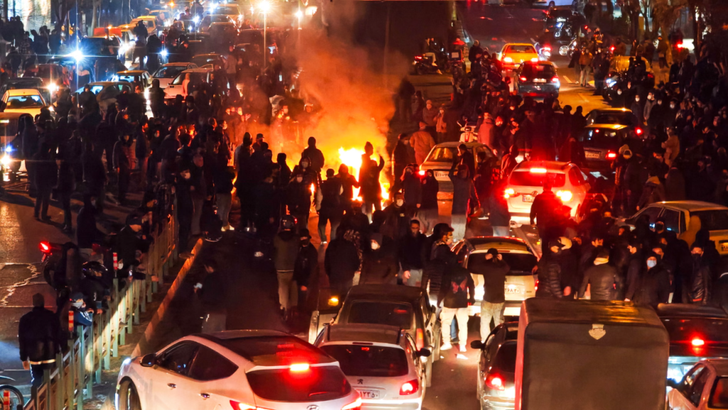
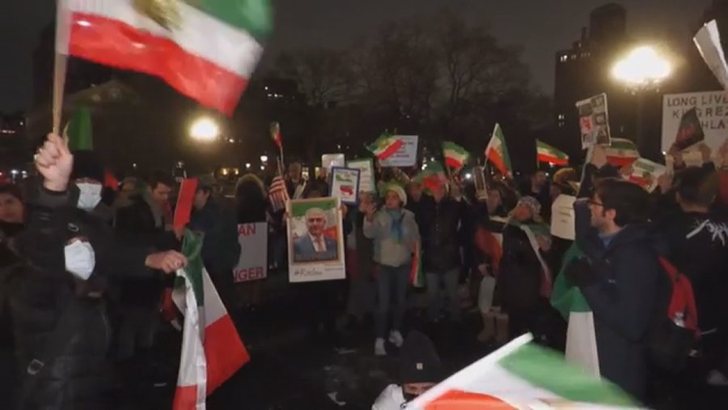
It is not yet clear how the violent protests in Iran in recent weeks, which have challenged government control, have changed Israel's and Iran's calculations and whether the two countries will still honor their private agreement. President Donald Trump has considered strikes on Iranian regime targets in response to the crackdown on protests, and any attack could prompt Iran to retaliate against Israel, a U.S. ally, analysts say.
A senior Iranian official told Reuters that if attacked, Iran would retaliate against US military bases in the Middle East, the agency reported on Wednesday, without mentioning Israel as one of the possible targets.
It is also unclear whether Israeli officials would back down from their December assurances and join a U.S.-led strike if they saw an opportunity to topple the Iranian government. As protests erupted in Iran, Israeli officials described their military preparations as defensive, and Israeli government and security officials avoided overtly aggressive language. In June, Israel launched a surprise, large-scale strike against Iran even as nuclear negotiations between the U.S. and Iran were underway.