Protests, violence, curfews: From France to Albania, why Europe'...
/ 2026-10-20 23:47:20Focus


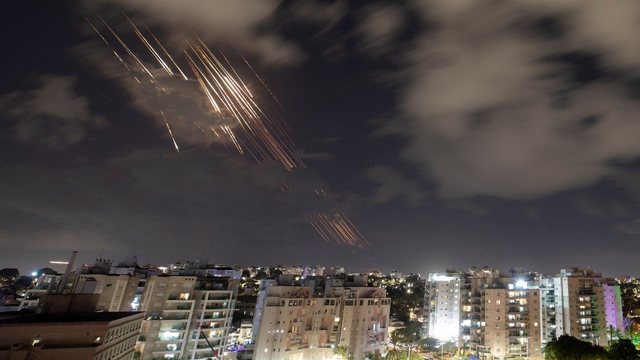
Once again, the situation escalated dangerously: Iran attacked Israel with missiles, the Israeli government threatens counterattacks. There was a time when the two countries were not enemies, on the contrary.
The war in the Gaza Strip has been going on for almost a year. And the fighting is no longer only in Gaza. Missile and drone attacks have also taken place between Israel and Lebanon, Syria, Iraq and Yemen for months. At the end of July, the foreign head of Hamas, declared a terrorist organization by the USA, EU, Germany and other countries, was killed in Tehran. Iran's leadership then said it would retaliate. Last Friday, Hassan Nasrallah, head of the Lebanese Shiite organization Hezbollah, another key ally of Tehran, was killed. Earlier, the explosion of radio receivers, so-called pagers, injured hundreds of Hezbollah officials and killed several others. Since then, it has been unclear whether and how Iran's military leadership will respond — also because of their shared conflict-ridden history.
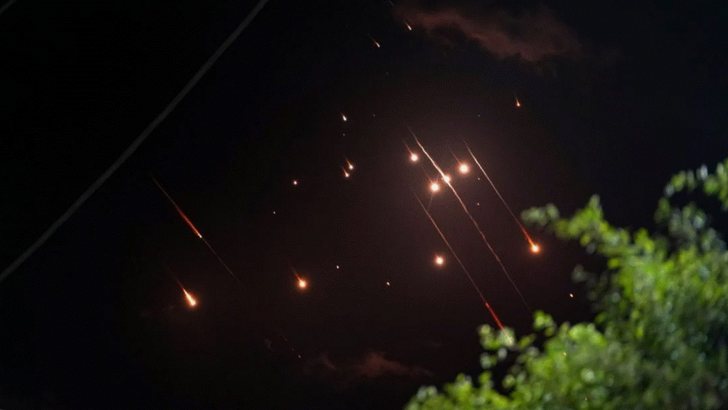
The Islamic Republic's counterattack came on Monday evening: Iran's Revolutionary Guards fired about 200 rockets into Israel. The attack was in retaliation for the killing of Hamas foreign chief Ismail Haniya, Hezbollah Secretary General Hassan Nasrallah and an Iranian general, Iranian state television said.
From allies to enemies
Iran and Israel have been enemies for decades now. Tehran denies Israel's right to exist and threatens the "Zionist regime" with destruction. Israel, for its part, considers Iran its main enemy. But it wasn't always like that.
The two countries were close allies until the Islamic Revolution in Iran in 1979. Iran was even one of the first countries to recognize the state of Israel in 1948. Israel viewed Iran as an ally against the Arab states in the Middle East conflict. . For Tehran, Israel, backed by Washington, was also seen as a welcome political counterweight to its Arab neighbors.
Israel even trained Iranian agricultural experts, provided technical know-how, and helped build and train the Persian armed forces. The then ruler of Iran, Shah Mohammad Reza Pahlavi, in turn offered oil, which was urgently needed in Israel's economic development. Iran had the second largest Jewish community outside of Israel. After the revolution, most of the Jews left the country. But there are still more than 20,000 Jews living in Iran today.
Turning Point: The Islamic Revolution
Pas fitores së Revolucionit Islamik në Iran në vitin 1979 dhe ngritjes në pushtet të krahut fetar brenda revolucionarëve nën Ajatollah Ruhollah Khomeini, Teherani i anuloi të gjitha marrëveshjet me Izraelin. Ajatollah Khomeini e kritikoi vazhdimisht Izraelin për pushtimin e territoreve palestineze. Gradualisht Teherani filloi të zhvillonte një retorikë të ashpër kundër Izraelit me synimin për të fituar mbështetjen e shteteve arabe ose të paktën simpatinë e popullsisë në këto vende. Regjimi në Iran donte të rriste kështu ndikimin e tij.
Kur Izraeli ndërhyri në luftën civile libaneze në vitin 1982 dhe pushtoi jugun e vendit, Khomeini dërgoi Gardën Revolucionare iraniane në Bejrut për të mbështetur milicët shiite atje. Edhe sot e kësaj dite, milicia e Hezbollahut që u krijua në atë kohë konsiderohet si krahu i zgjatur i Teheranit në Liban.
Thellimi i konfliktit
Udhëheqësi aktual fetar i Iranit, Ajatollah Ali Khamenei, i cili vendos në fund për të gjitha çështjet e vazhdoi këtë politikë. Khamenei dhe i gjithë lidershipi i Republikës Islamike të Iranit gjithashtu vënë në dyshim në mënyrë të përsëritur realitetin historik të vrasjes sistematike të hebrenjve evropianë në kohën e nacionalsocializmit dhe përpiqen të relativizojnë apo madje edhe të mohojnë Holokaustin.
Për të forcuar pozicionin e tij kundër Izraelit, por edhe kundër Arabisë Saudite, Irani jo vetëm që mbështeti Hezbollahun në Liban dhe Hamasin në Gaza, por edhe ndërhyri në luftën siriane në anën e presidentit sirian Assad deri më sot, po ashtu mbështeti edhe milicët Huthi në Jemen e të ashtuquajturën lëvizje e rezistencës islame në Irak. Një arkitekt kryesor i kësaj lufte në hije ishte gjenerali i Gardës Revolucionare Quasem Soleimani, i cili u vra në një sulm me dron amerikan në fillim të vitit 2020.
Izraeli gjithashtu ka bërë pak për të lehtësuar tensionet me Iranin. Në fjalimet e tij, kryeministri Benjamin Netanyahu e krahasoi vazhdimisht Republikën Islamike me Gjermaninë naziste, e cila kërcënonte drejtpërdrejt ekzistencën e vendit të tij. Ai e përshkroi marrëveshjen bërthamore të vitit 2015, e cila u negociua nga fuqitë me veto në OKB-së, si edhe Gjermania dhe Irani, si një "gabim me përmasa historike". Sipas Netanyahut, ai do të parandalonte një bombë bërthamore iraniane "me çdo mjet".
Izraeli ka kryer vazhdimisht akte sabotazhi kundër programit bërthamor të Iranit. Në vitin 2020, kreu i programit bërthamor të Iranit, Mohsen Fakhrisadeh, u vra. Atëherë gazetat angleze "The Guardian" dhe "New York Times" raportuan se të gjitha provat tregojnë për një vrasje të qëllimshme nga shërbimi sekret izraelit. Izraeli as e mohoi dhe as nuk e konfirmoi përgjegjësinë.
Narrativa e armiqësisë jo e pakontestuar
Unlike the conflict between governments, different voices are always heard among the population or from civil society. "Iran should review its relations with Israel because they are no longer relevant," Faeseh Hashemi Rafsanjani said in an interview in late 2021. Faeseh is the daughter of former Iranian President Ali Akbar Hashemi Rafsanjani and a former member of Parliament. Iranian. Even the well-known political scientist Sadegh Zibakalam, who is critical of the government, also opposes Iran's policy towards Israel. "This attitude has isolated the country on the international stage," the professor at the University of Tehran said in an interview in 2022.
In Israel, too, there have been regular voices expressing solidarity with the people of Iran. For example, the social media initiative "Israel Loves Iran", which first became popular in 2012. In 2023, a similar campaign supported Iranians who took to the streets against the regime in Tehran after the murder of the girl new Mahsa Jina Amini. Recently, there was another attempt to revive the campaign using the hashtag #IsraelisLoveIranians.
But at the political level, since the attack of the terrorist organization Hamas on Israel in October 2023 and the consequent "war of revenge" declared by Israel, as described by Prime Minister Netanyahu, the fronts have hardened more than ever. According to the United Nations, more than 41,000 Palestinians have been killed in the Gaza war, most of them women and children.
Rocket attacks by Hezbollah and Israeli bombing of southern Lebanon as far as the capital Beirut have already forced hundreds of thousands of people in Israel and Lebanon to flee their homes. The fear of an expansion of the war was and is for this reason great. The US, the EU and Germany call on all warring parties involved to show restraint./ DW