Protests, violence, curfews: From France to Albania, why Europe'...
/ 2026-10-20 23:47:20Focus


For months, President Joe Biden has been warning Israel not to allow the war in Gaza against Iran-backed Hamas to spill over into Lebanon's Hezbollah and Iran itself. But with Israel fighting in Lebanon and vowing to retaliate against Tehran's missile attacks, many fear that moment has arrived. VOA Correspondent Patsy Widakuswara takes a look at the possibility of further escalation of the conflict and the possibility of direct involvement of the United States in the war.
The explosions in Beirut on Wednesday were part of what Israel says are attacks on Hezbollah targets in Lebanon.
In Damascus, Syrian state media reported that three civilians were killed in Israeli strikes on Tuesday. More attacks were reported in the Syrian capital on Wednesday.
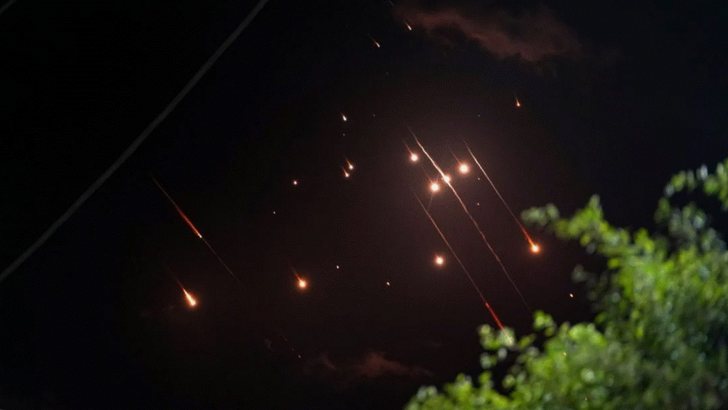
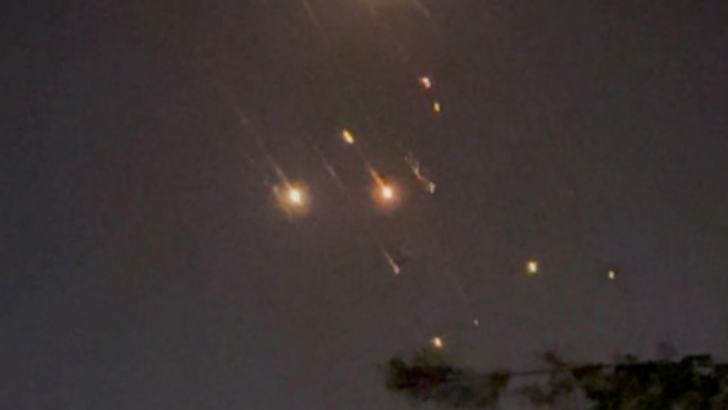
On Tuesday, Iran fired 180 rockets at Israel, damaging a school in the Israeli town of Hod Hasharon and killing at least one person in the West Bank.
Tehran says the attack was carried out in retaliation for the Israeli killing of leaders of Hezbollah, Hamas and the Iranian military. As Israel prepares to retaliate, on Wednesday President Joe Biden discussed the conflict with the leaders of the Group of Seven, the world's most industrialized nations.
"We will continue discussions with the Israelis about what they will do, but all seven of us agree that they have the right to respond, but the response must be proportionate," he said.
Mr. Biden said he would not support a possible decision by Israel to attack Iran's nuclear facilities.
The US president has long warned Israel not to let its war against Hamas in Gaza spill over into Lebanon's Hezbollah, as well as Iran itself.
This week Israel launched a ground incursion into Lebanon. Israeli authorities have threatened to attack Iran and other countries where Tehran's collaborators are located.
“This is true of Judea and Samaria (West Bank). It is true of Gaza, Lebanon, Yemen, Syria – and it is also true of Iran. We fight against the axis of evil, wherever it is," said Israeli Prime Minister Benjamin Netanyahu.
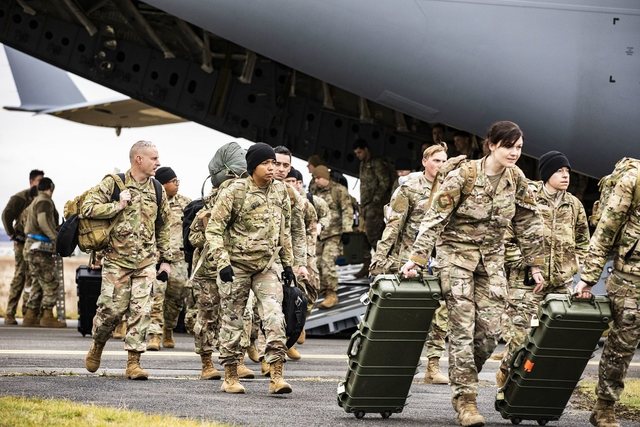
Washington fears that further escalation could lead to a direct involvement of the United States in the war if Iran retaliates against Israel - and especially if American areas of influence in the region are hit.
"This could mean, for example, attacks on oil production facilities in Saudi Arabia. This could mean empowering pro-Iranian groups in Iraq and Syria to attack US forces. And it could drag the United States into this war," says Aaron David Miller, an expert at the Carnegie Institute for International Peace.
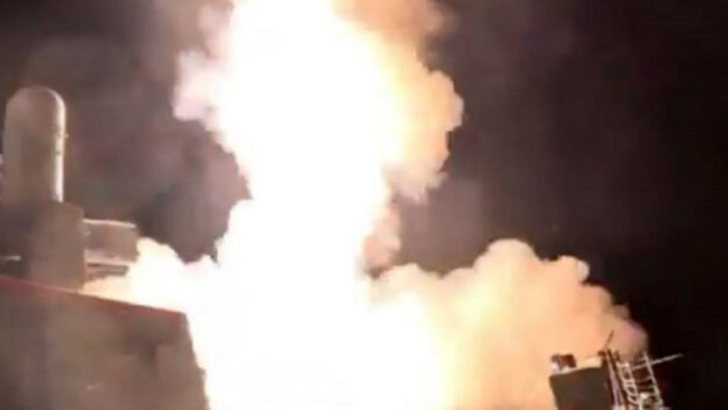
The United States is already involved in operations to intercept Iranian missiles intended to hit Israel.
But it remains unclear whether President Biden will use US military capabilities to strike Iran directly. What is clear is that despite its calls for a cease-fire in Gaza and Lebanon, Washington has failed to curb the conflict.
"The main drivers of events in the Middle East today are the players who are involved in these combat operations. It is Israel, Hamas in Gaza, Hezbollah in Lebanon and Iran and its networks throughout the region, including the Houthis in Yemen. To an extent "For the most part the United States has played a bystander role and tried to limit or prevent the worst consequences," said Brian Katulis, a senior fellow at the Washington-based Middle East Institute.
Iran's Supreme Leader Ali Khamenei blames the United States and European countries for the wars in the Middle East.
"If they rid the region of their presence, no doubt these conflicts, wars and clashes would disappear completely," he said.
The White House has not responded to requests for comment on Ali Khamenei's statements, but said that more sanctions will be imposed on Tehran./VOA