Is this police force professional and capable of handling violen...
/ 2026-10-16 18:54:07Focus


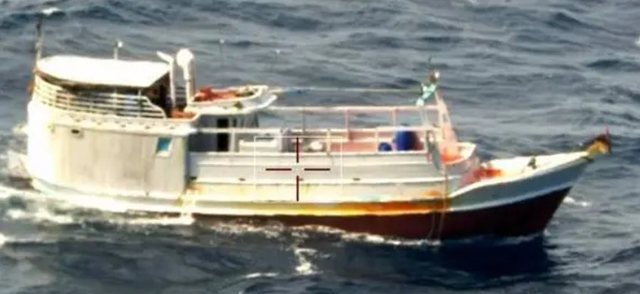
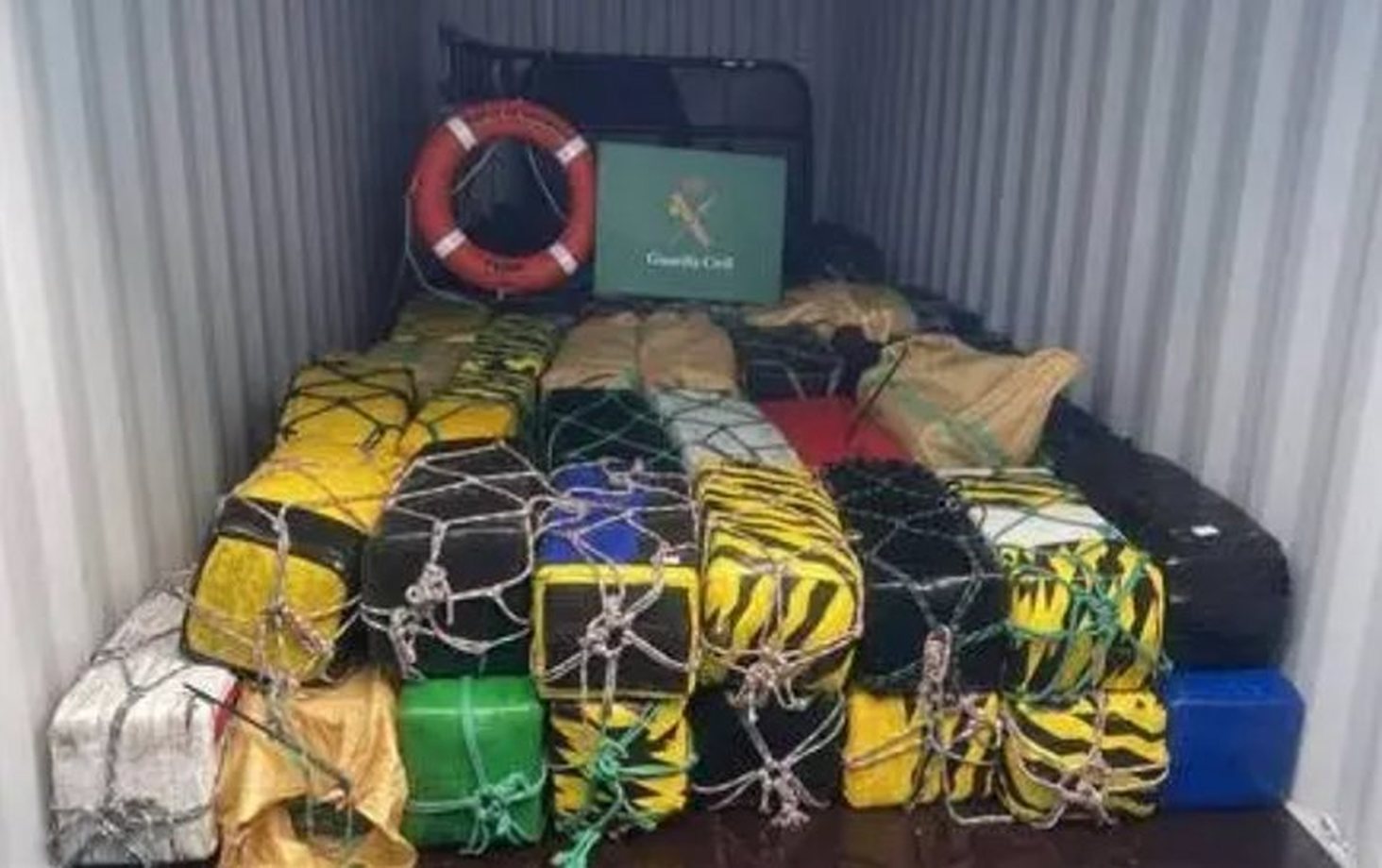
An international law enforcement operation led by the Spanish Guardia Civil and coordinated through Europol has disrupted a major cocaine trafficking route across the Atlantic Ocean.
Between April 13 and 26, 2026, law enforcement targeted criminal networks transporting cocaine from Latin America to Europe through complex sea transfers designed to avoid major ports and traditional detection methods.
During the two-week operational phase, naval assets were deployed across the Atlantic to detect, track and intercept vessels suspected of being involved in drug transfers at sea.
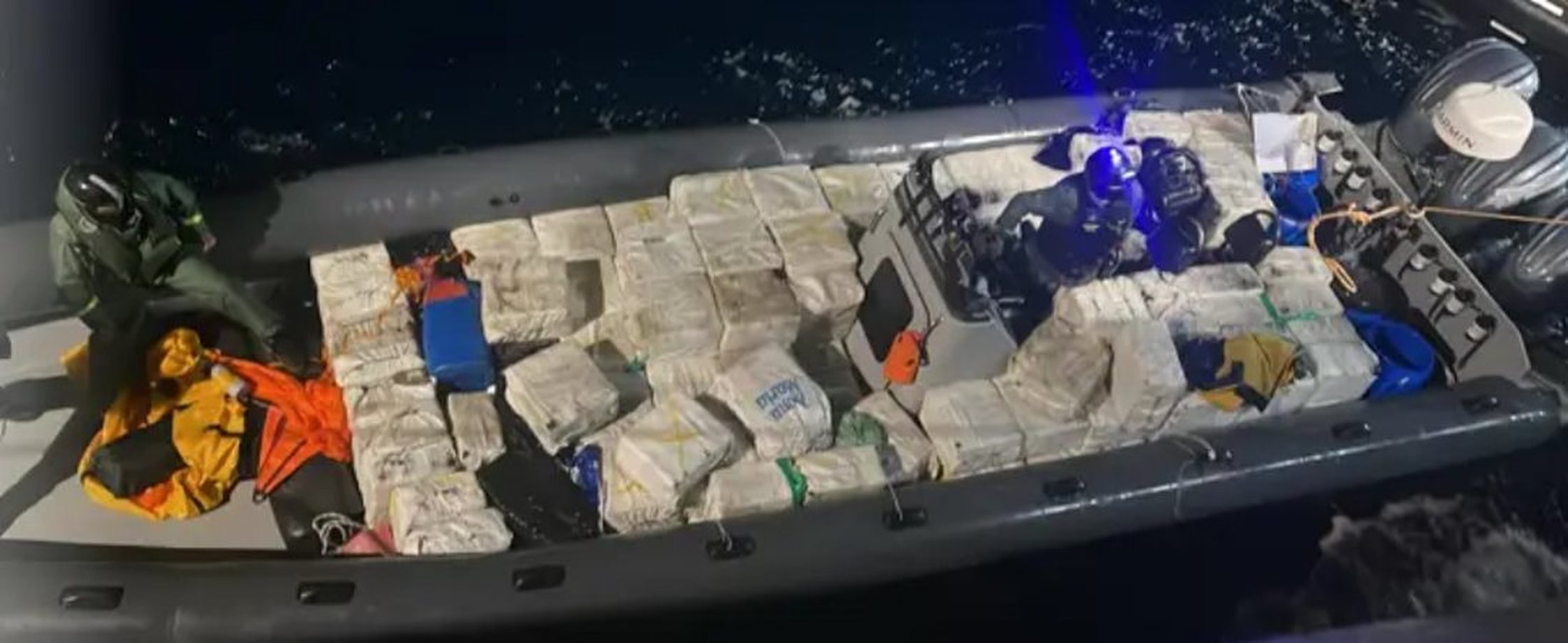
Law enforcement activity focused on the eastern Atlantic corridor between the Spanish Canary Islands and the Portuguese Azores. In total, 11 tons of cocaine and 8.5 tons of hashish were seized during the operation.
Earlier this year, Europol issued a warning that criminal networks were increasingly shifting cocaine trafficking away from major European ports and towards fragmented maritime routes across the Atlantic Ocean. Since identifying this evolving modus operandi, Europol and its partners have intensified maritime coordination and operational cooperation to adapt to the threat, with this operation delivering the clearest results to date.
- 11 tons of cocaine seized
- 8.5 tons of cannabis seized
- 54 people arrested
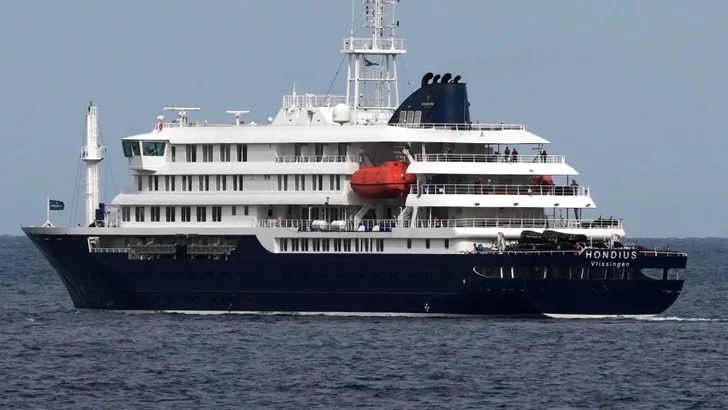
- 8 ships detained
The latest operation shows patterns that Europol had identified earlier this year: criminal networks are increasingly moving cocaine abroad to reduce exposure to law enforcement at major ports. Shipments now move in multiple stages across the Atlantic:
- Mother ships collect cocaine in Latin America and travel hundreds to thousands of nautical miles in international waters. These vessels include container ships, large cargo carriers, and smaller non-commercial vessels.
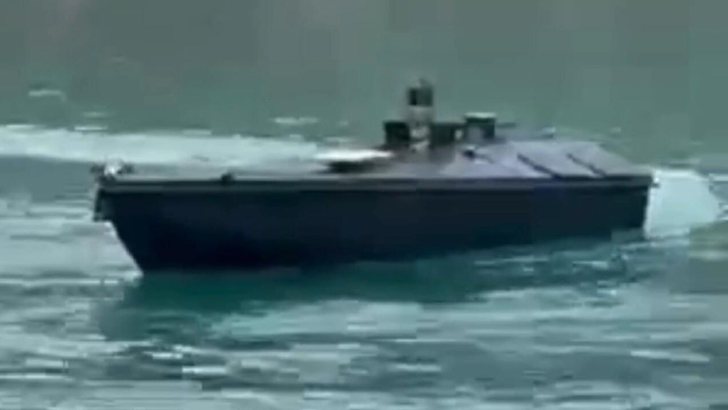
- Mid-ocean transfers move cargo to high-speed vessels capable of long-distance crossings, including rigid-hulled inflatable boats and other fast craft.
- Final stage transfers distribute the cocaine onto smaller vessels to be landed in remote coastal areas in Portugal and Spain, often using beaches or small marinas to avoid detection.
The model is designed to fragment the threat across multiple ships and crews. The latest operation directly targeted this structure, stopping multiple shipments and preventing criminal networks from completing their shipments in Europe.