Is this police force professional and capable of handling violen...
/ 2026-10-16 18:54:07Focus


Alicia Wallace - CNN
In early April, the International Energy Agency warned that, following “the worst oil supply shock in history … demand disruption will spread as shortages and high prices persist.”
The phrase “demand collapse” sounds harsh, and in practice, we are not far from it. What it means is that the magnitude of a price shock can be so large, so persistent, and so painful that consumption behaviors sometimes change to the point of permanently altering the direction, structure, and stability of a sector or an entire economy.
In the US, this "destruction" has already begun to manifest itself.
The rapid rise in fuel prices has quickly eroded Americans' hard-earned income and tax refunds – hitting those who are least able to afford it hardest.
Inflation has risen sharply, wage growth has slowed significantly, and consumer confidence has fallen, a possible signal of further consequences to come.
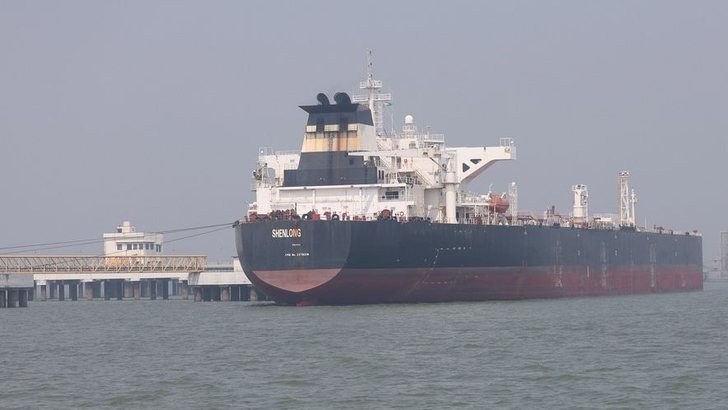
American consumers have held firm so far. But economists warn that the longer the war with Iran keeps the critical Strait of Hormuz for oil tankers and cargo ships blocked, the greater the risk of much worse consequences.
"Time is not an ally of the American economy," said Joe Brusuelas, chief economist at RSM US, an accounting and consulting firm.
A chain reaction of destruction
Energy affects every household, industry, and sector.
"There are more than a trillion prices in the American economy, so the destruction of demand will be different by industry and income level," Brusuelas said.
Predicting the consequences of a conflict with an uncertain duration and outcome is complex.
However, Brusuelas and fellow RSM economist Tuan Nguyen have tried to do just that. In a recent analysis, they used the results of previous oil shocks to outline possible paths for Americans and the economy as a whole.
Income erosion could mean fewer restaurant visits, less travel, fewer cars bought and fewer homes sold; falling investment and demand could lead to layoffs, adding to the economic pain.
In addition, other commodities could face supply problems. It's not just oil that passes through the Strait of Hormuz. Fertilizer shortages could push up food prices; helium problems could slow chip production and increase medical costs; sulfur and natural gas outages could increase industrial costs.
"Economic outcomes look better now than at the beginning of the war," said Nancy Vanden Houten, an economist at Oxford Economics.
According to her, oil prices have fallen from record highs, the ceasefire has brought some stability and consumers, helped by higher refunds and strong stock and property values, have weathered the rise in fuel prices.
"It seems like the worst-case scenario can be avoided, but things can change very quickly," she said.
Ultimately, the sustainability of consumers and the economy will depend on how quickly the conflict is resolved and how quickly normal traffic in the strait resumes.
The roads ahead
Even if the war ends immediately, economic recovery will not be quick.
"Stopping and restarting oil production is not like turning on a light. At best, it will take about six months to realize how close we are to pre-war levels," Brusuelas said.
In some cases, it may take years for production to fully recover.
The supply disruptions to oil and other critical materials like fertilizer are spreading throughout the US economy and could raise prices for many goods and services.
The effects of high prices can last for a long time. Some Americans may recover from the price increases, but not all.
Other families, with lower incomes, no emergency savings and little financial space, will have to deal with large reductions in disposable income until prices stabilize.