Is this police force professional and capable of handling violen...
/ 2026-10-16 18:54:07Focus


The history of the Rothschild family has been identified for centuries with banks, state loans, wineries that set record prices and the distribution of wealth across the planet. Their name is synonymous with economic power. However, the end of 2025 finds this global dynasty facing an internal conflict that goes beyond economic indicators.
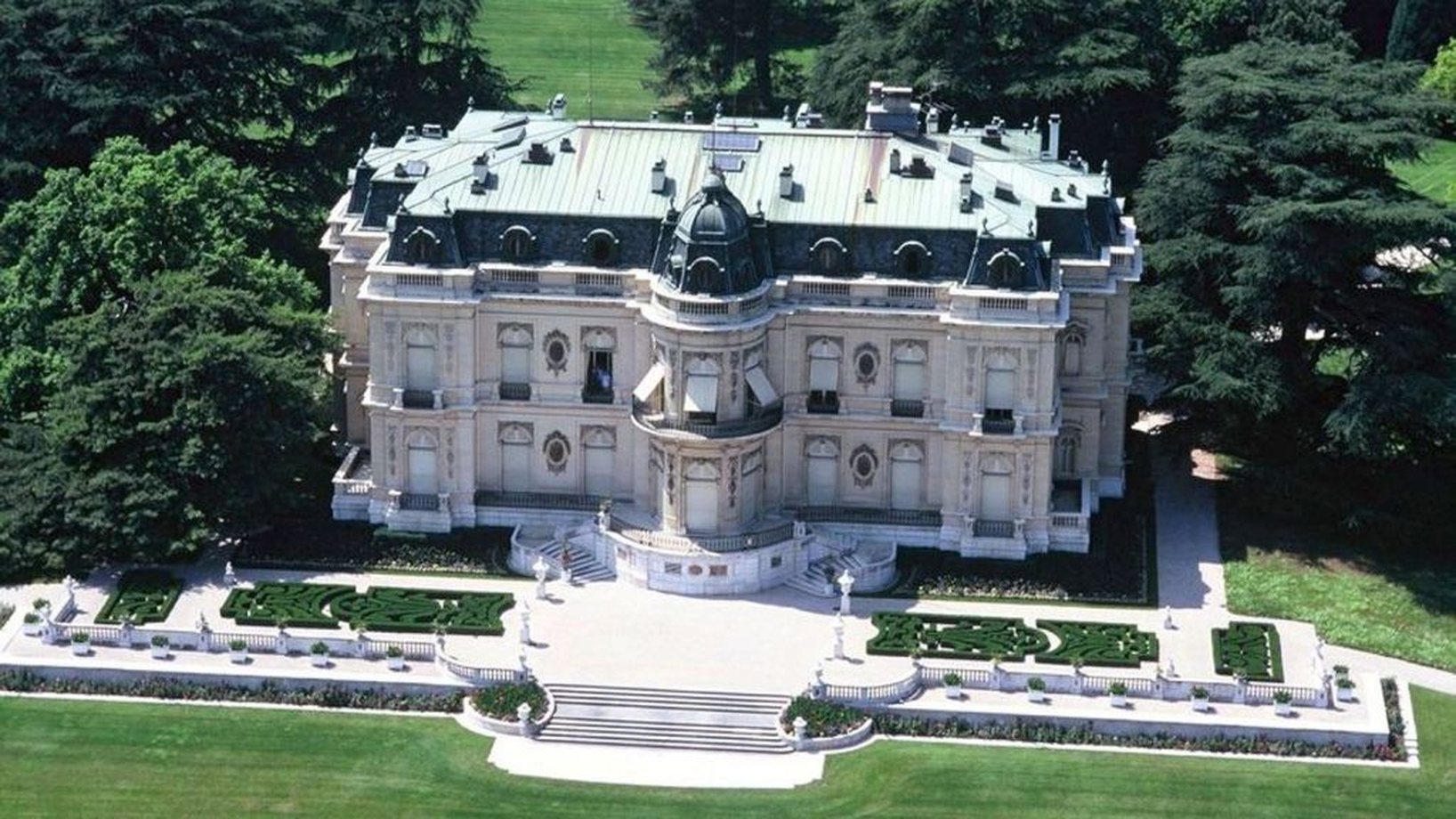
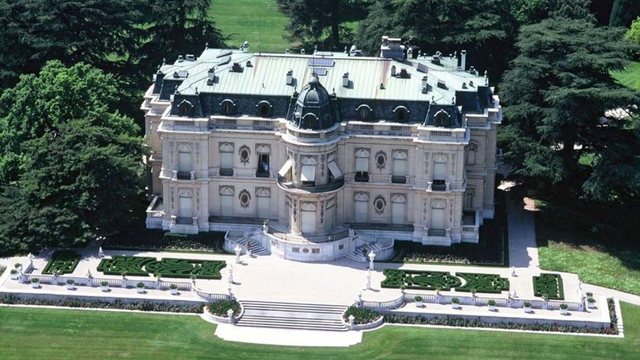
At the center is not a bank or a billion-dollar business deal, but a castle. Not an ordinary castle, but the emblematic baronial residence in Switzerland.

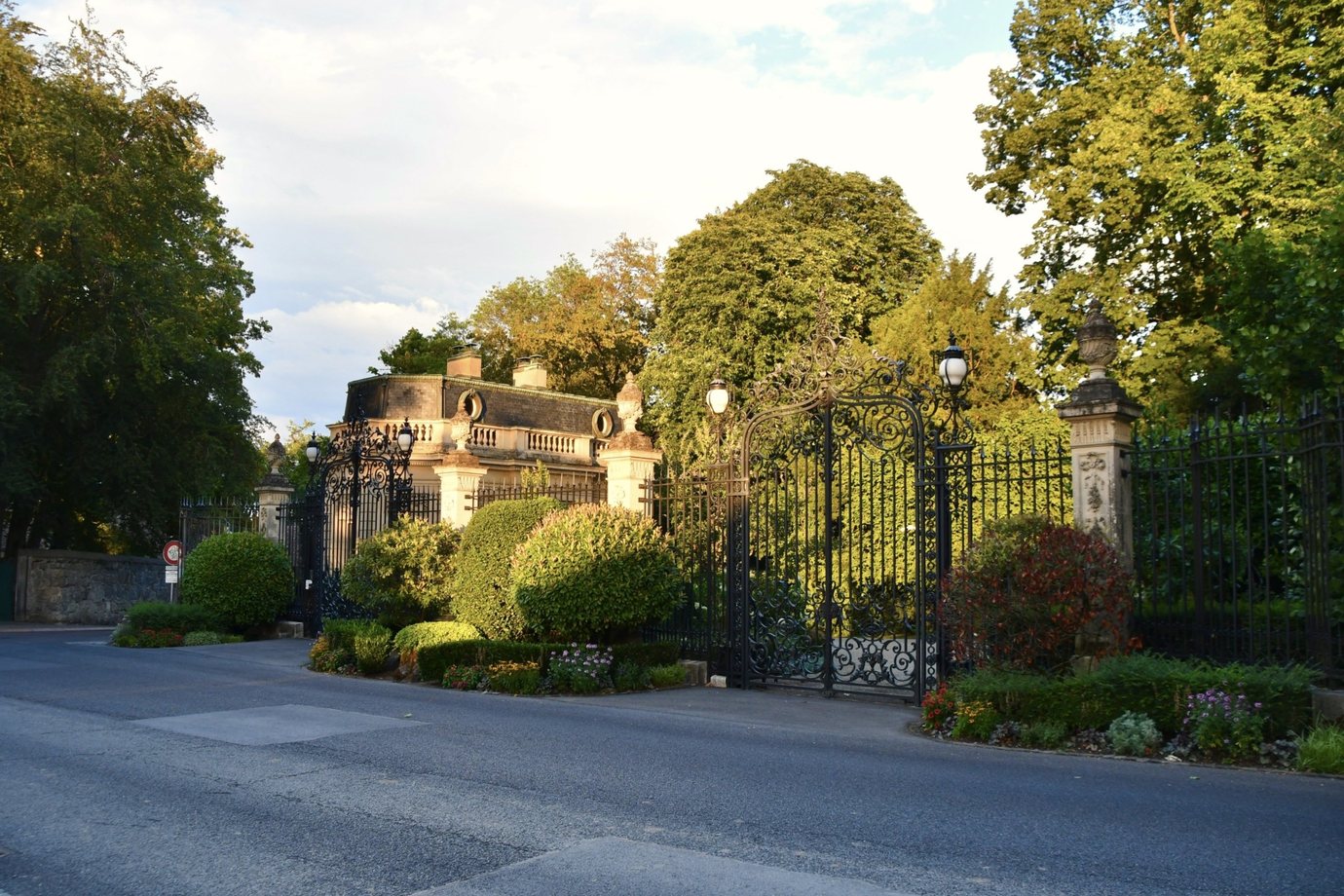
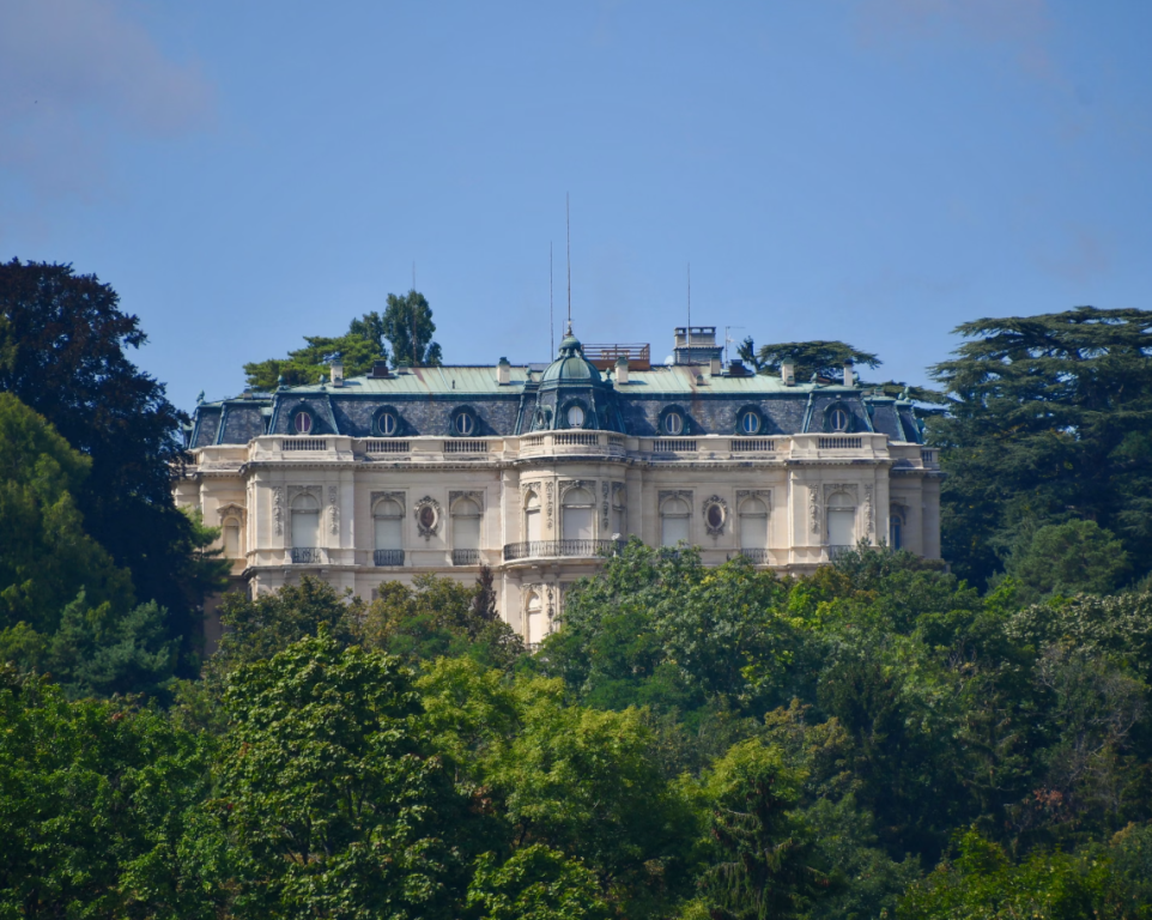
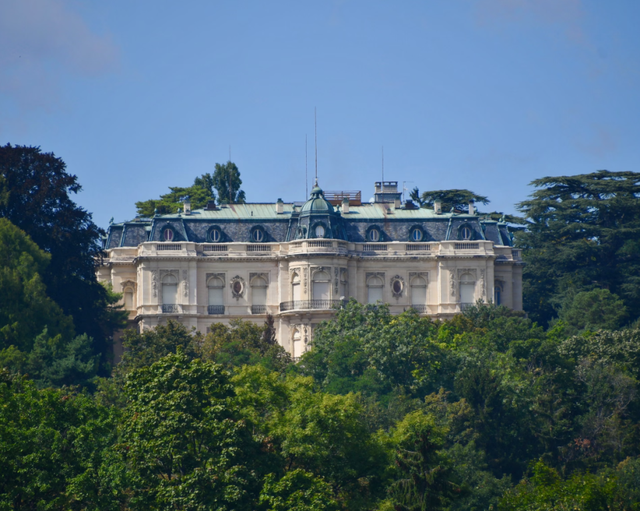
Château de Pregny, a tower of inestimable value as a house, with equally priceless art treasures that it is said to house. A private space that has been compared to a “mini Louvre”, due to the rare pieces of a collection that only family members have the opportunity to admire. And not all of them, apparently.
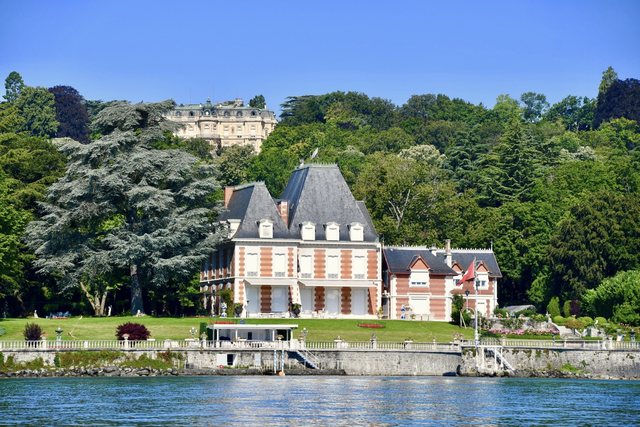
The Château de Pregny, overlooking the tranquil shores of Lake Geneva, is more than just a property. It is a repository of culture and a family symbol that brings together Louis XVI-era furniture, Spanish and Flemish classical works, and rare collections of historical objects. Reports describe the space as containing paintings attributed to renowned painters such as Goya, Rembrandt, El Greco, Fragonard, and Boucher. There are also old aristocratic collections on its premises. A marriage of artistic value and cultural memory that is difficult to find outside of world-class museums.
Rothschild vs. Rothschild
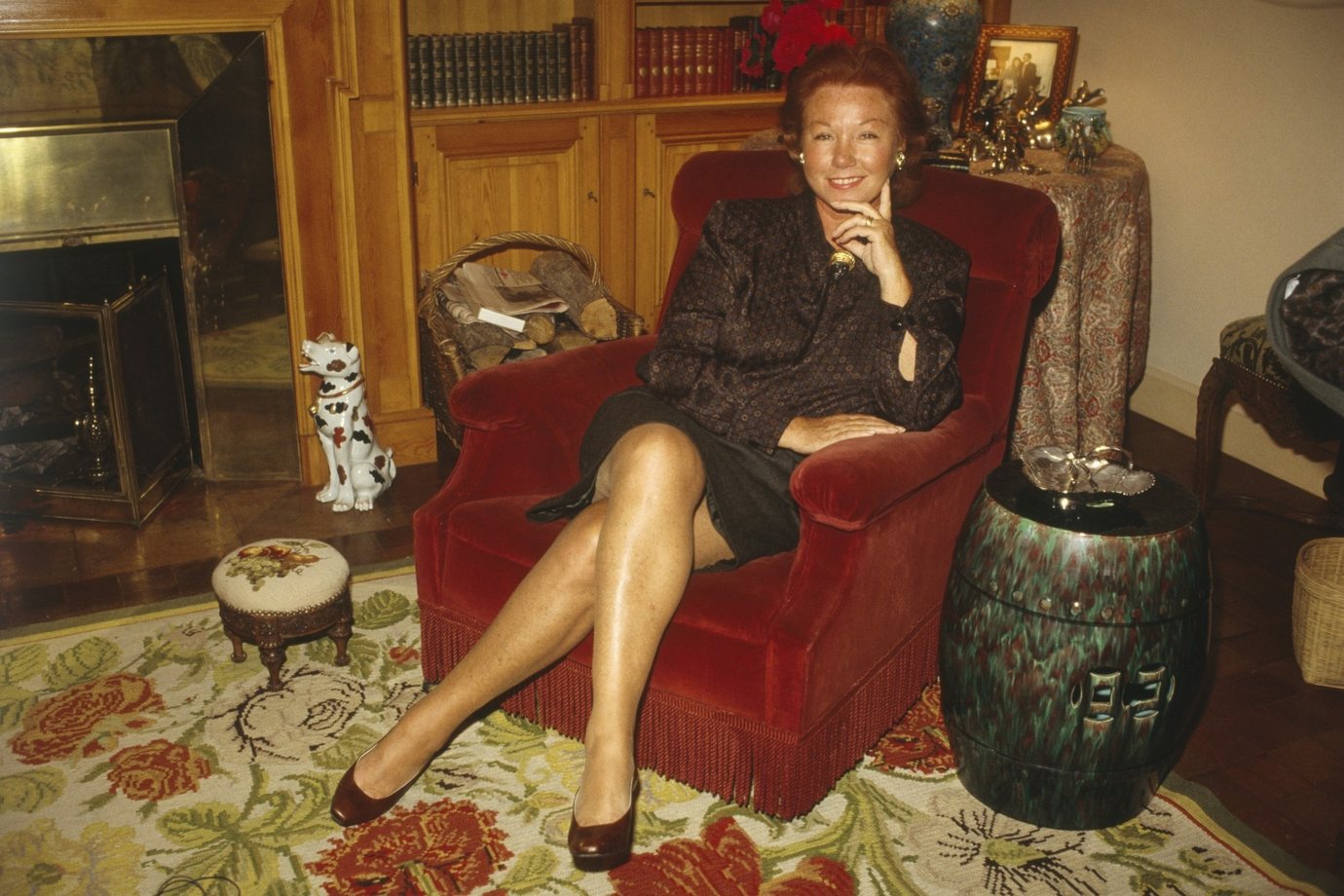
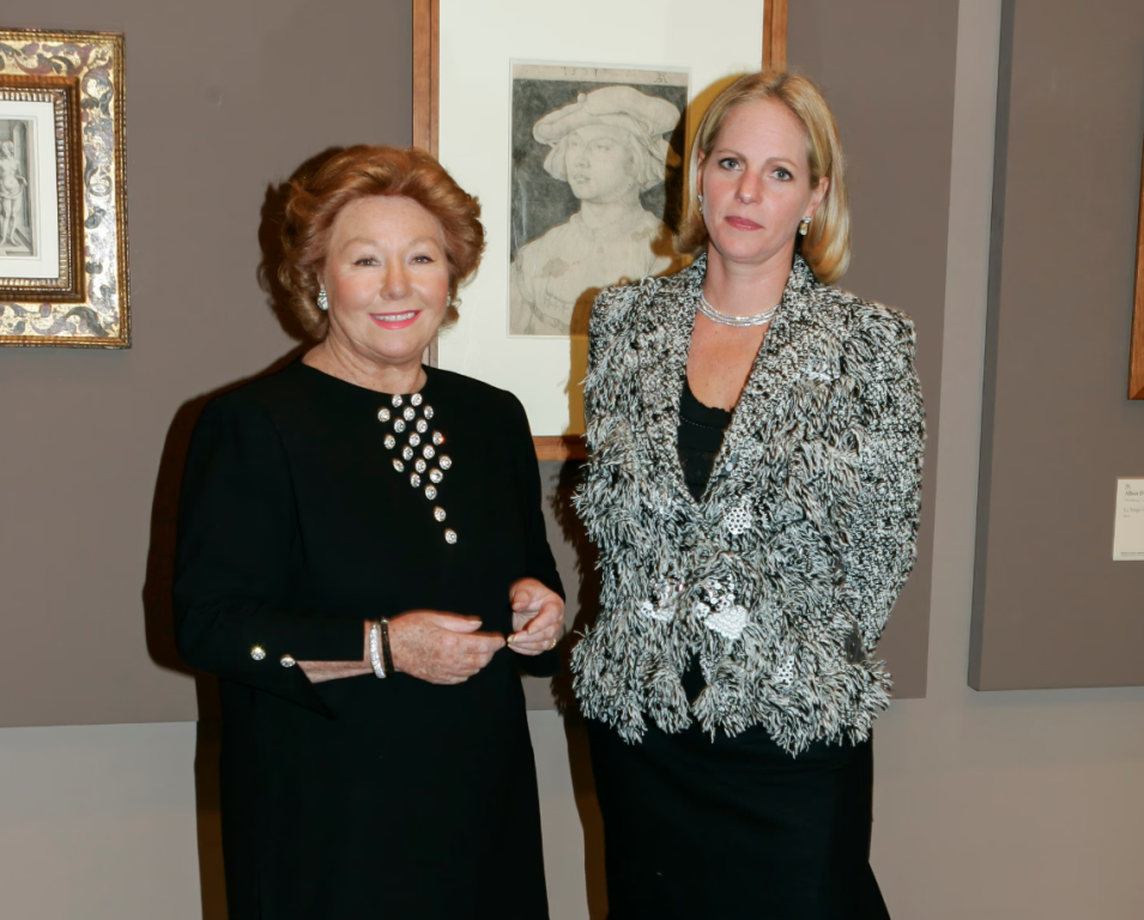
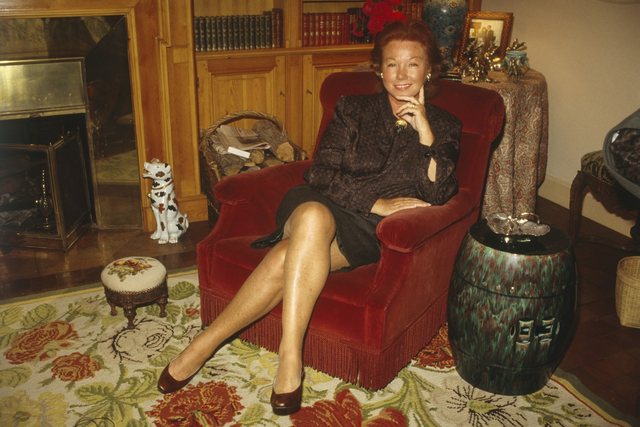
This mini-museum has become the new front in a complex family dispute. On one side is 93-year-old Nadine de Rothschild, the widow of Edmond de Rothschild, who belonged to the Franco-Swiss branch of the dynasty. Nadine, after decades of family life and social presence, claims that her husband had bequeathed her a significant part of the collection and is now seeking to remove it from the family home in order to create a new publicly accessible museum in Geneva. Her opponent is Ariane de Rothschild, who now holds the title of Baroness as the widow of Benjamin, the only son of the Edmond-Nadine couple, who died in 2021. As head of the Edmond de Rothschild Group, a major financial entity, Ariane argues that the collection should remain intact at the Château de Pregny, preserving the family’s united heritage in the same natural setting that has housed the works for generations. And of course, away from the public eye.
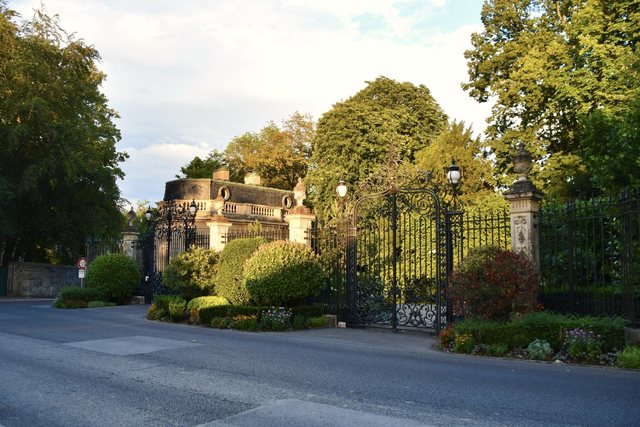
The family drama is not limited to simple disagreements. The two parties have been embroiled in a series of legal battles that reveal deeper tensions over naming rights, access to the house itself, and ownership of the objects within it. In one of the early battles, Ariane lost her bid to stop Nadine, her mother-in-law, from using Edmond's name for her charitable foundation. In contrast, Nadine recently lost the legal rights to enter the castle itself, demonstrating that the family dispute has escalated into a full-blown legal battle. A draw, for now.
A cultural treasure
The depth of the crisis also reflects a broader disagreement, more practical than philosophical. Nadine sees art as something to be admired by more and more people, becoming a public heritage through a museum. Ariane, on the other hand, insists that the collection only makes sense as a single inherited entity, preserving a connection to family history in the place that hosts it.

In a world where large private collections rarely see the light of day, the Rothschild family's case is unique not only because of the name, but also because of the nature of the collection.
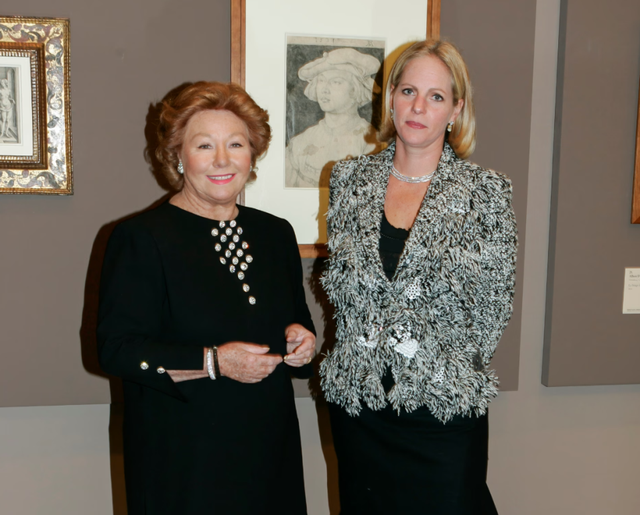
The Rothschilds have maintained a “culture of silence” around their heritage for decades, even forbidding photographers and curious visitors from documenting the contents of the Château de Pregny. This has fueled speculation and rumors about the value and significance of the objects, making the dispute not only private but also an international curiosity. Nadine has worked hard to show that she is not divorced from her “humble” origins. From a seamstress to a factory worker and a model before marrying Edmond and becoming a member of one of the world’s most famous families, she tries to add a human dimension to a battle that might otherwise seem purely formal. But Ariane, who also holds the institutional title, represents a new generation of world heritage managers who are trying to balance the private with the public.
This dispute is unlikely to be resolved immediately. Swiss courts are still reviewing claims over ownership of the artworks and artifacts. At the same time, entire family members, even from distant branches, are being called upon to take a stand and support one side or the other, generalizing the dispute. But beyond the legal realm, what is being revealed is a fundamental question: what does it mean to be the guardian of a cultural treasure in an era when private collections arguably carry the same weight as public museums? And who decides how this treasure will be preserved and whether it will be in the public eye or not?