How Belinda Balluku is fabricating the rumor about Top Channel's...
/ 2026-10-19 16:19:54Focus


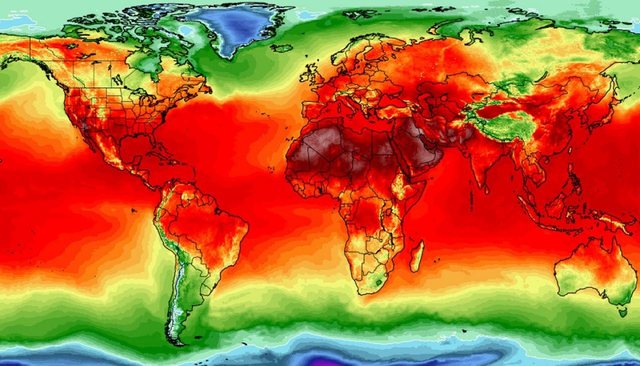
The six economies of the Western Balkans must invest at least 37 billion dollars over the next ten years for an efficient protection of citizens and their assets from the damaging and escalating impacts of climate change, says the regional Report on Climate and Development in the Western Balkan Countries (CCDR) of the World Bank Group.
The benefits of climate action would be very significant for the Western Balkans, consisting of Albania, Bosnia and Herzegovina, Kosovo, Montenegro, North Macedonia and Serbia. Investments in this framework would help to avoid the loss of human lives, assets and the decline of productivity, as well as contribute to faster economic growth.
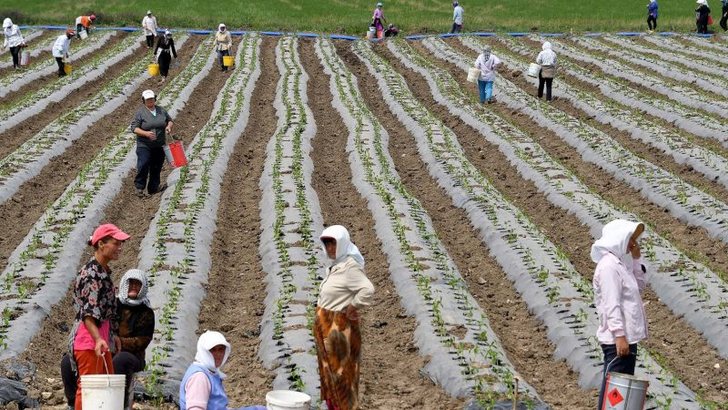
For this region, which is currently seriously affected by climate change, inaction is not a viable option. For example, flooding has directly affected over two million people over the past ten years, while impacts are expected to worsen with more extreme rainfall expected. Fires are another growing threat. Droughts are negatively affecting agricultural production, while heat waves are increasing air pollution, causing thousands of premature deaths in the Western Balkans each year.
According to World Bank estimates, climate change adaptation investments, especially in low- and middle-income economies, bring significant benefits, with every $1 invested translating into about $4 in benefits.
Western Balkan countries also need to reduce greenhouse gas emissions in order to remain competitive, strengthen energy security and attract international investment. However, achieving climate neutrality by 2050 in compliance with European targets would require additional investments worth 32 billion dollars.
Economy-wide net-zero greenhouse gas emissions by 2050 are achievable if solar, wind and hydro energy produce 95% of all energy, which would be a significant increase over the current level of a solvent of all energy production.
Furthermore, the decarbonisation of the construction sector through energy efficiency investments is an essential element. Even the transport sector needs to be profoundly transformed by reducing the demand for vehicles and switching to more sustainable modes of transport and transitioning to electric vehicles.
The World Bank Group is helping countries curb carbon emissions and increase resilience to extreme weather. The group is setting an ambitious target of devoting 45% of its funding to climate action by 2025, which will be split equally between mitigation and adaptation. During fiscal years 2023 and 2024, the World Bank committed approximately $1.2 billion to climate-related financing in the Western Balkans.