How Belinda Balluku is fabricating the rumor about Top Channel's...
/ 2026-10-19 16:19:54Focus


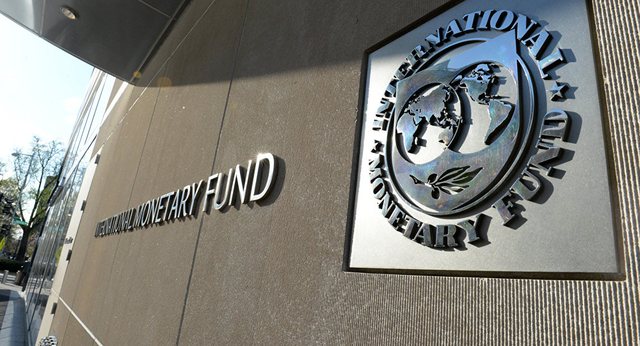
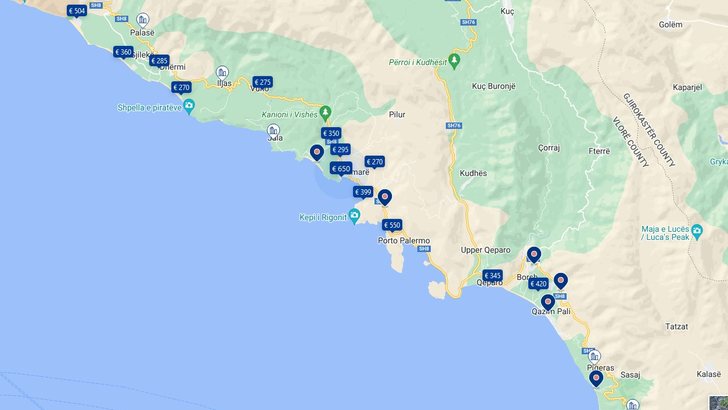
The International Monetary Fund (IMF) in a recent statement has asserted that the economy is expected to maintain its positive momentum this year, where a tourism activity above expectations can reduce the risks to the economy.
Without commenting on the Constitutional Court's latest ruling, the IMF said the new income tax law helped make the tax system fairer, ensuring that freelancers are taxed in a comparable way to other employed taxpayers. .
The IMF has asserted that property tax reform is also important. The IMF has also supported the Bank of Albania's recent decision to increase the countercyclical capital allowance in the context of strong credit growth.
According to the fund, ongoing efforts to strengthen consumer protection regulation, including for non-bank financial institutions, are essential to maintaining integrity and confidence in the financial system. The IMF has affirmed that the completion and publication of reports on PPPs and concessions for the years 2022 and 2023 are welcome and encourages the timely publication of future reports.
According to an official press release, a team of the International Monetary Fund (IMF), directed by Mrs. Anke Weber paid a visit to Albania on July 9-12, to discuss the latest macroeconomic developments, the economic forecast and priority policies.
At the end of the visit, Mrs. Weber made the following statement:
"The Albanian economy grew by 3.5 percent in 2023, led by stable private consumption, with significant strengthening of tourism and construction. The performance of the fiscal sector and the external sector has exceeded expectations, with a primary surplus and current account deficit of 0.7 percent and 1 percent of GDP, respectively. Inflationary pressures have decreased and inflation reached 2.1 percent in June, as a result of the drop in the prices of raw materials. The economy is expected to maintain its positive momentum this year, with growth projected at around 3¼ percent. Inflation is expected to gradually return to the 3 percent target."
"The risks are broadly balanced. A tourism activity above expectations can shift the balance of risks upwards. Heightened geopolitical tensions represent a potential downside risk, while the economy remains vulnerable to the risks of weather-related energy sector shocks and a sudden change in the direction of the exchange rate. In the medium term, progress on reforms in the EU's new growth plan for the Western Balkans could boost potential growth, while demographic trends represent a key downside risk."
"Economic shocks in recent years have underscored the importance of rebuilding adequate fiscal space to ensure continued resilience against future shocks. We welcome the authorities' commitment to a prudent fiscal policy, as reflected by early and continued compliance with fiscal rules under the Organic Budget Law. We underline the importance of ambitious medium-term fiscal consolidation and prudent debt management to reduce gross financing needs and protect fiscal sustainability. Such consolidation should be supported by measures to promote revenue mobilization, generate efficiency gains and increase productive spending.”
"Continuous progress in fiscal reforms remains critical for the credibility of the fiscal framework. We welcome the adoption of the Medium Term Revenue Strategy by the end of this year. Albania would benefit from a tax system supported by comprehensive coverage, fair rules and appropriate incentives to guarantee an equal burden among taxpayers. In this context, the new income tax law helped make the tax system fairer, ensuring that self-employed people are taxed in a comparable way to other employed taxpayers. Revenue mobilization measures that broaden the tax base, including property tax reforms, remain important.”
"We welcome the adoption of the Public Finance Management Strategy and call for the full operationalization of a strengthened public investment management framework, as well as further progress on public-private partnership (PPP) reforms. In this regard, the completion and publication of reports on PPPs and concessions for the years 2022 and 2023 are welcome and we encourage the timely publication of future reports. The pilot independent Fiscal Risk Statement is a key step in strengthening fiscal risk management. Further, concrete progress in increasing good governance and oversight of state-owned enterprises continues to be crucial for maintaining fiscal sustainability."
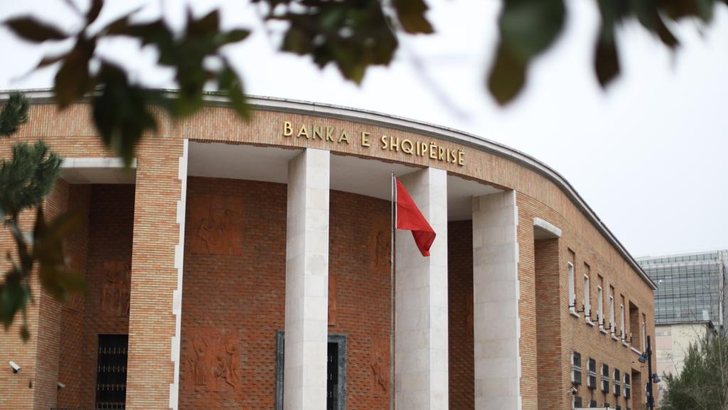
"The current stance of monetary policy is accommodative, with price pressures from rising wages potentially mitigated by lower imported inflation due to the appreciation of the lek. The authorities should continue to closely monitor price developments and maintain an evidence-based approach to monetary policy. Further, a free exchange rate should be the main shock absorber. A continuous flexible supervision and increased prudential instruments will help the economy to overcome financial and economic uncertainties. Progress on financial reforms must continue, including further strengthening of the supervisory and regulatory framework and deepening of financial markets. In the context of strong credit growth, the Bank of Albania's recent decision to increase the countercyclical capital allowance is appropriate, and the adoption of a systemic risk allowance could further enhance stability. Efforts underway to strengthen consumer protection regulation, including for non-bank financial institutions, are essential to maintaining integrity and confidence in the financial system. Furthermore, with over a decade having passed since the last Financial System Stability Assessment (FSAP), we encourage the authorities to consider a new Financial Sector Assessment Programme. Overall, maintaining the independence of the Bank of Albania is essential for maintaining price and financial stability."