Is this police force professional and capable of handling violen...
/ 2026-10-16 18:54:07Focus


The Albanian economy is expected to maintain a stable growth rate during 2026 and 2027, supported mainly by tourism and the construction sector, but the medium-term outlook continues to be conditioned by structural challenges, demographics, and external uncertainties.
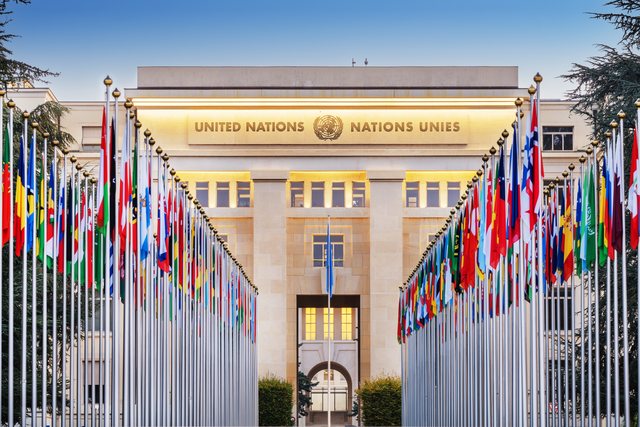
This is the assessment of the report "World Economic Situation and Prospects 2026", published by the United Nations Department of Economic and Social Affairs.
According to the report, Albania is part of the group of Southeast European economies that have benefited significantly from the very strong tourist season of 2025, with visitor flows reaching record levels during the summer months.
Tourism has been one of the main engines of economic growth, boosting activity in services, transport and trade, while in parallel the construction sector has made a significant contribution to the expansion of economic activity in the country.
UN forecasts show that Albania's real GDP growth is expected to remain above the regional average in 2026, albeit at a more moderate pace compared to the post-pandemic recovery phase. At the same time, inflation in Albania is estimated to be relatively stable, at around 2.5 percent during 2026 and 2027, reflecting the easing of price pressures that emerged following the energy crisis and global supply shocks.
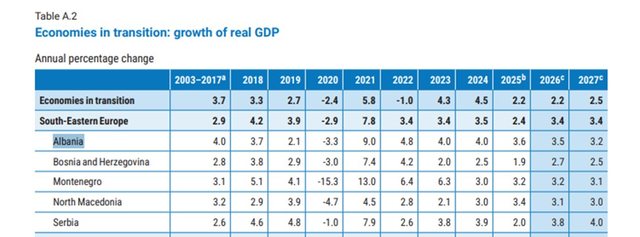
The report also highlights that the labor market in Southeast Europe has shown gradual improvement, with employment growth and real wages more resilient to inflation. However, Albania, like other countries in the region, faces a relatively low level of labor force participation, especially among women, as well as ongoing challenges related to emigration and a shrinking working-age population.
In terms of risks, the UN warns that Albania's economic outlook remains exposed to external uncertainties, including an economic slowdown in the European Union, the country's main trading partner, as well as the consequences of climate change. The increase in the frequency of droughts poses a specific risk to hydropower production, a key sector for the Albanian economy.
In its overall assessment, the report highlights that although Albania has benefited from a strong tourism and construction investment cycle, long-term development will depend on improving the business climate, increasing productivity and addressing demographic challenges. Without deeper structural reforms, economic growth risks remaining concentrated in cyclical sectors that are vulnerable to external shocks./ monitor.al