Is this police force professional and capable of handling violen...
/ 2026-10-16 18:54:07Focus


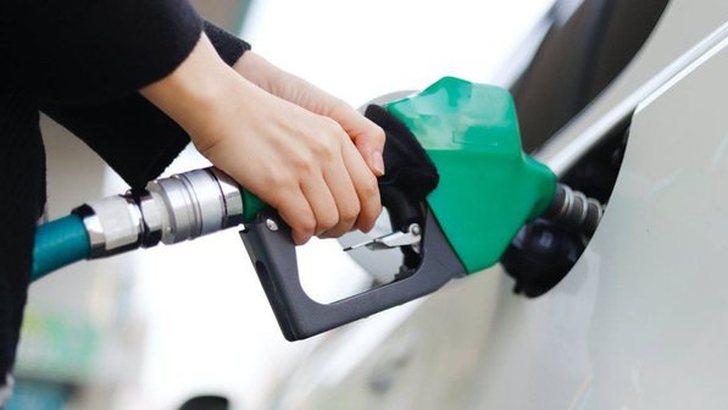
Oil crossed the 200 lek per liter threshold and with it the old debate over how the fuel market in Albania functions returned. The crisis in the Middle East and fluctuations in international stock markets quickly translated into the highest prices in the region at points of sale everywhere in Albania, putting a strain on family budgets.
But the problem in the country does not end with the cost at the pump. Beyond price, informality remains present in the market and not every transaction always leaves a mark on the fiscal system.
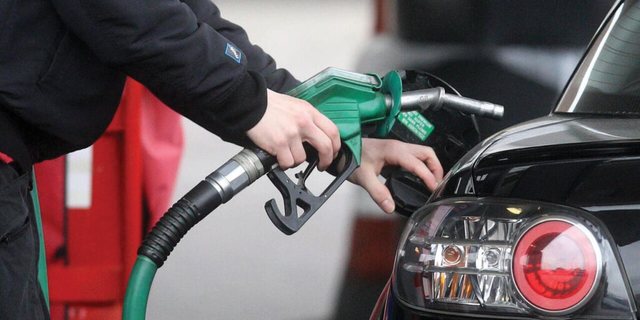
"Do you want the receipt?" - this is the question that, according to citizens, is often heard as soon as the salesperson removes the pump from the vehicle.
Dozens of testimonies collected by Faktoje show that not issuing invoices has become common practice. In some cases, invoices are not issued unless requested. In others, they are not issued at all. And when they are issued, they are not always fiscalized.
"I wanted to pay by card, but they told me the POS wasn't working. I paid in cash and asked for a receipt at the end. They gave me an untaxed receipt," recounts a citizen from Tirana, on the day when the price of diesel was 224 lek per liter.
Missing invoice
Legally, every liter of fuel sold must be accompanied by a fiscal invoice. The online fiscalization system was built to ensure that every transaction is reported in real time to the tax administration. But practice on the ground suggests that there is still a gap between the law and implementation.
In a market where fuel affects almost every link in the economy, from transportation to the prices of basic products, the lack of an invoice raises questions not only about fiscal discipline, but also about the real degree of informality in the sector.
According to the fiscal expert of the ALTAX center, Eduard Gjokutaj, the failure to issue an invoice should not be seen as a sporadic violation, but as an indicator of institutional weaknesses in market monitoring.
"From a fiscal perspective, not issuing an invoice creates space for concealing real turnover and consequently for VAT and profit tax evasion," argues Gjokutaj.
In a sector with high turnover volume, even small deviations in reporting can translate into large losses for the state budget. According to him, the problem goes beyond fiscal revenues, as it distorts competition and creates an unfair advantage for operators who avoid billing.
A similar concern is raised by economic expert Fatmira Kola, who considers this practice to be a consequence of the normalization of informality.
"In this harsh reality, the practice of not issuing fiscal invoices at gas stations is not just abuse: it is a pure form of economic robbery against citizens and the state," she tells Faktoje.
Sipas Kolës, vetë pyetja “a e doni faturën?” tregon se detyrimi ligjor është kthyer në zgjedhje opsionale. “Fatura nuk është opsion, është detyrim ligjor. Çdo litër i shitur pa faturë është një transaksion i padeklaruar, pra një humbje direkte për buxhetin e shtetit dhe një fitim i padrejtë për operatorin,” argumenton ajo.
“Në një treg me qarkullim kaq të madh, – shton ekspertja, – kjo praktikë mund të përkthehet në miliona euro evazion”.
Kola paralajmëron se pasojat ndihen edhe në konkurrencën mes operatorëve. “Bizneset që zbatojnë rregullat ndëshkohen, ndërsa ata që shmangin taksat përfitojnë. Në thelb, krijohet një treg i padrejtë, ku ndershmëria bëhet disavantazh,” përfundon ajo.
Sipas ekspertëve, konsumatori mbetet hallka më e pambrojtur.
Pa faturë, qytetari nuk ka provë për sasinë apo cilësinë e karburantit të blerë dhe humbet mundësinë për të bërë ankesë efektive. “Në thelb, moslëshimi i faturës në këtë sektor duhet parë si tregues i një problemi më të gjerë të disiplinës tatimore dhe të kapaciteteve të administrimit,” përfundon Gjokutaj.
“Denonconi”
Luigj Aliaj, përfaqësues i Shoqatës së Hidrokarbureve, thotë se problemi i mos lëshimit të faturës nuk mund të përgjithësohet për të gjithë sektorin.
“Shqipëria ka rreth 1380 pika karburanti dhe ne nuk kemi anëtarë as 10 për qind të tyre. Por nëse ky fenomen ndodh, kanë përgjegjësi edhe klientët. Ligji thotë se po nuk të japin kupon, mos paguaj. Shitjet janë online dhe rezultati në kohë reale shkon në Tatime,” thotë Aliaj për Faktoje.
Ai shton se qytetarët duhet të denoncojnë rastet konkrete.
“Tatimet kanë qindra inspektorë në terren. Le të denoncojnë pikën që vepron kështu,” përfundon ai.
Në sektorin e karburanteve, ku qarkullimi financiar është i lartë dhe fitimet ndikohen nga diferenca të vogla çmimi, mungesa e fiskalizimit mund të ketë efekt të shumëfishtë.
Pasojat në buxhet
Sipas analizave fiskale të qendrës ALTAX, struktura e çmimit të naftës në Shqipëri dominohet nga taksat dhe kostot e tregtimit. Një pjesë e konsiderueshme e çmimit final përbëhet nga akciza, TVSH-ja, taksa e qarkullimit dhe tarifat e tjera që i shtohen kostos bazë.
Kjo do të thotë se çdo litër i shitur jashtë sistemit fiskal nuk prek vetëm të ardhurat e biznesit, por edhe arkën e shtetit. Fiskalizimi online duhej ta kishte minimizuar këtë problem. Sistemi është ndërtuar pikërisht për të raportuar në kohë reale çdo transaksion tek administrata tatimore. Por dëshmitë e qytetarëve tregojnë se ekzistojnë ende hapësira për shmangie.
Në mars, shqetësimi për abuzimet në sektor u ngrit publikisht edhe nga deputeti Erion Braçe.
“Kam disa video që mi kanë çuar qytetarë, ku dëgjohen shitësit në pompë duke pyetur: ‘A e do faturën?’ Po mirë, çfarë do të thotë kjo? Për çdo shitje pa faturë, ku raportohet dhe si tatohet?” deklaroi ai.
The Ministry of Finance has announced the establishment of a joint task force between Taxes and Customs to monitor the hydrocarbon sector. The Task Force aims to control not only tax and customs documentation, but also physical verification of fuel quantities traded at wholesale and retail points. However, the question remains whether the controls can curb a practice that citizens say they encounter frequently. (Faktoje.al)