Is this police force professional and capable of handling violen...
/ 2026-10-16 18:54:07Focus


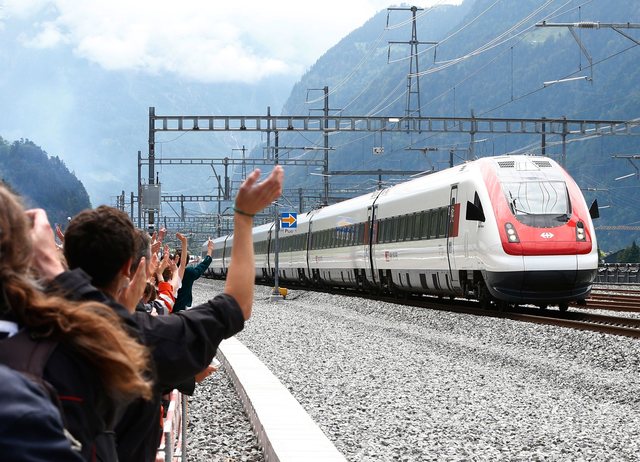
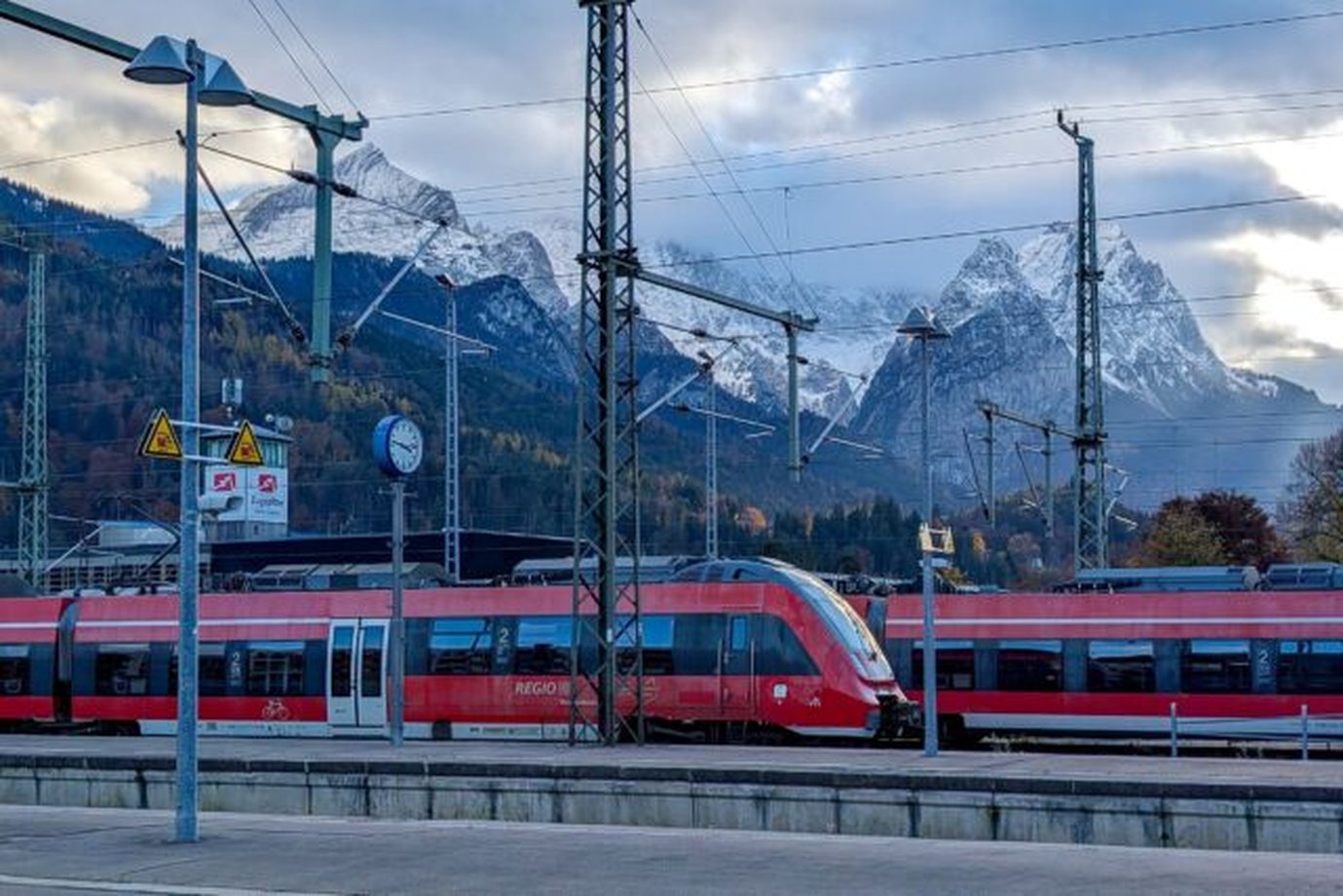
Europe wants to convince more people to ditch short-haul flights and opt for high-speed trains. While rail travel is gaining popularity, the continent is facing a major obstacle: geography.
Mountains and seas naturally divide Europe, and unlike planes, trains can't avoid them. That's why some of the world's most ambitious engineering projects are digging giant tunnels under mountains and seas, aiming to revolutionize rail transport in the next decade.
Austria, Italy, France and Denmark are investing billions of euros in record-breaking tunnels and new lines that will significantly shorten travel times and increase freight capacity.
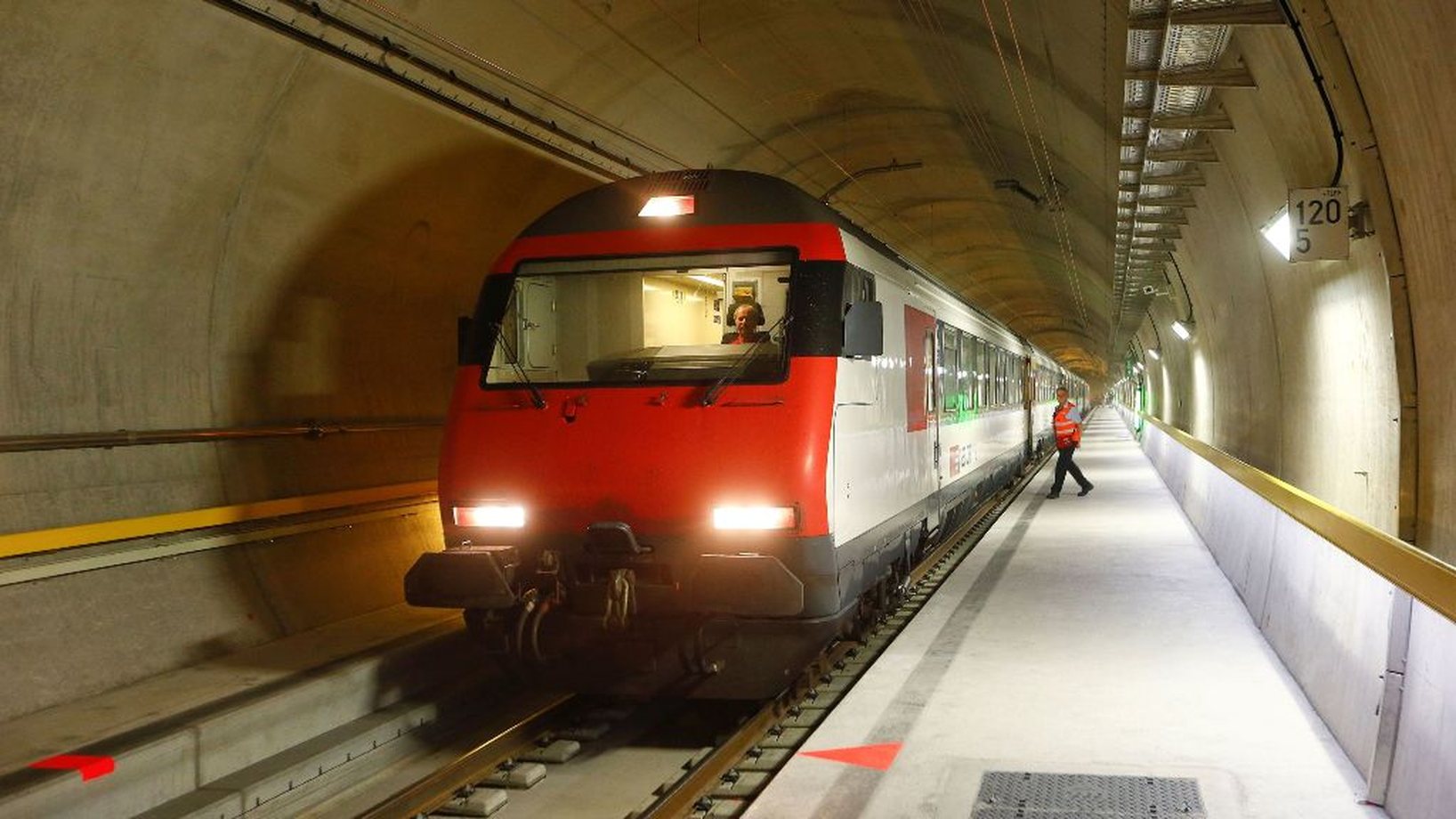
One of the most important projects is the Gotthard Tunnel in Switzerland, opened in 2016. With a length of about 57 kilometers and built to a height of over two thousand meters under the Alps, it is considered the longest railway tunnel in the world.
The project cost over $11 billion and cut the journey between Zurich and Milan from four hours to just two and a half. The tunnel is part of the Swiss “NEAT” project, which aims to create faster and more efficient rail corridors between Northern Europe and Italy.
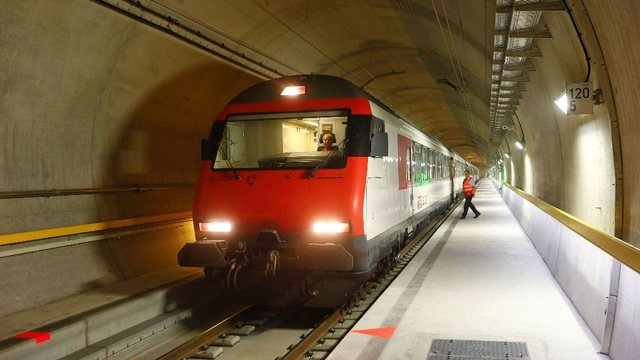
Alongside it is the Lötschberg Tunnel, which opened in 2007. The Swiss success has also inspired Austria. The most ambitious project there is the Brenner Tunnel, which is expected to open in 2032.
It will connect Innsbruck in Austria with Bolzano in Italy through two parallel tunnels under the Alps. When completed, the journey between the two cities will be reduced from two hours to just 50 minutes.
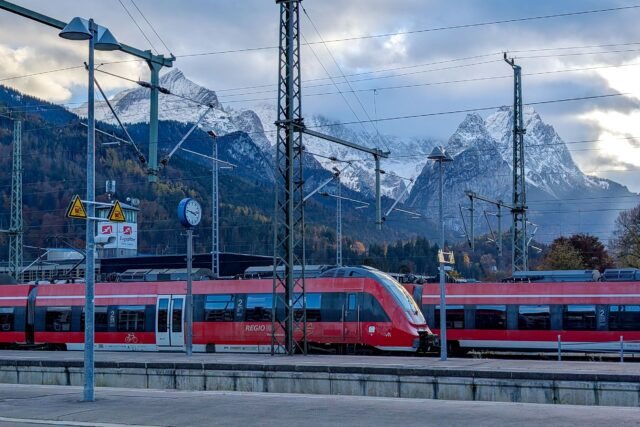
However, the project has faced major difficulties. Work began in 1999 and the tunnel was initially expected to open in 2015. Today its cost has reached almost $10 billion, almost twice as much as originally anticipated.
Another important project is the Semmering Tunnel in Austria, which will improve connections between Vienna, Graz and Italy. This tunnel will partially replace the historic Semmeringbahn, considered the first railway line to cross the Alps in the 19th century.
France and Italy are also building a giant new link between Lyon and Turin. At the heart of this project is the Mont Cenis tunnel, some 58 kilometers long. The aim is to shift a large part of freight transport from roads to rail, reducing pollution and heavy traffic.
But the project has faced strong political and environmental protests, especially in Italy. Costs have been steadily rising and completion has been pushed back to 2033. Furthermore, the connecting lines in France and Italy have not yet been fully built, which risks limiting the tunnel's impact.
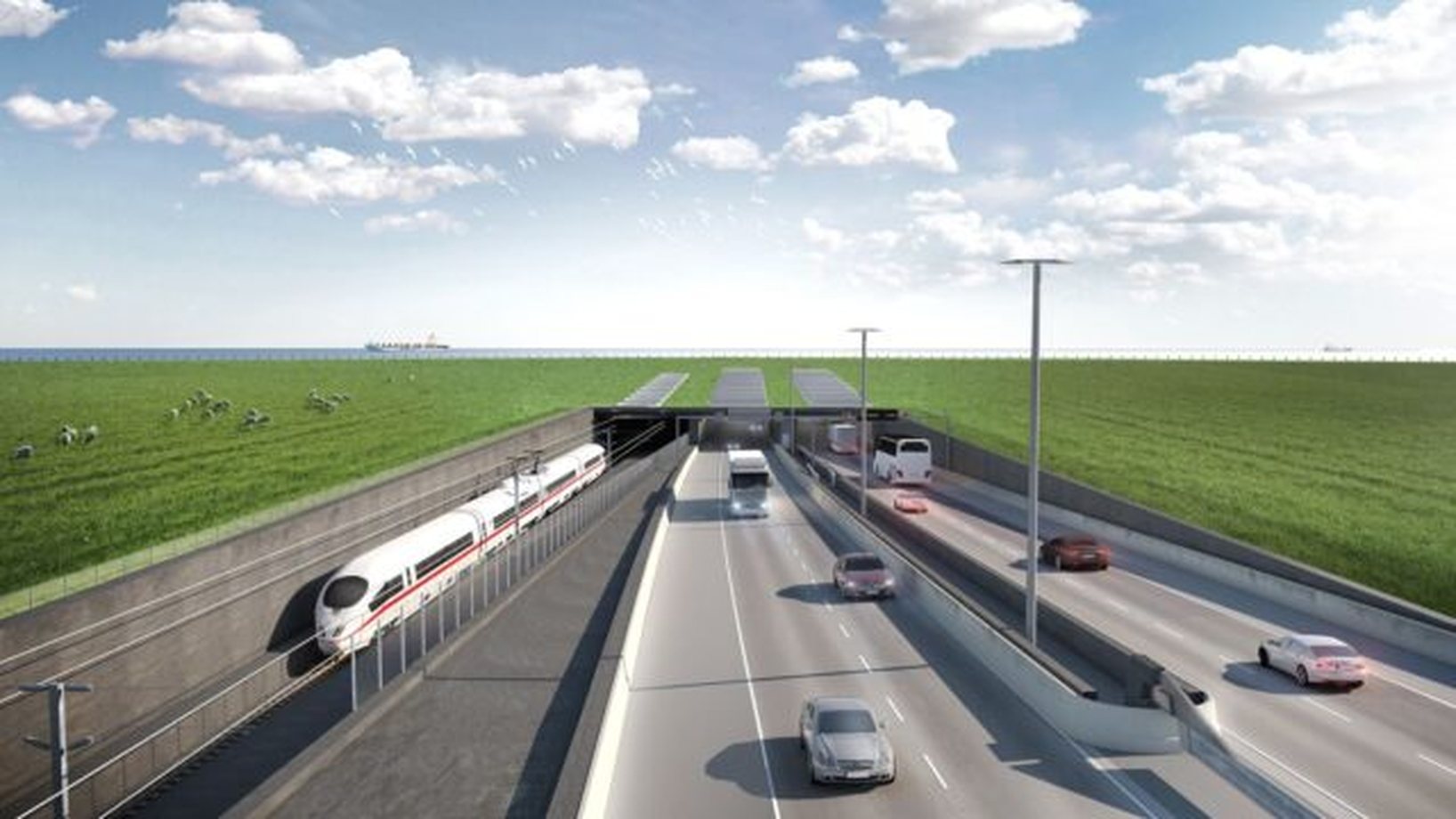
But the European tunnel revolution isn't just taking place under mountains. Denmark and Germany are building the Fehmarnbelt Tunnel under the Baltic Sea, which will connect the two countries by road and rail.
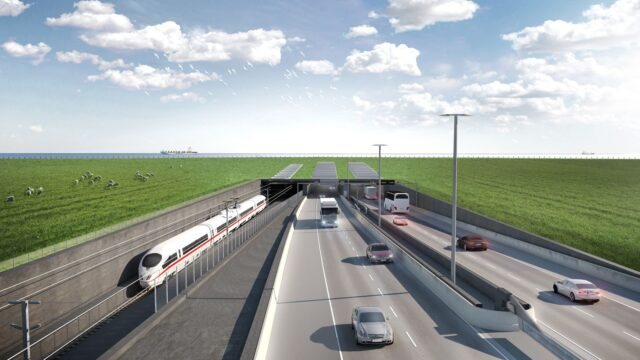
The project, worth around $9 billion, is expected to open in the early 2030s and will significantly shorten journeys between Copenhagen and Hamburg. However, experts warn that the infrastructure is not enough.
International train travel in Europe often remains more expensive than low-cost flights. For this reason, the European Union needs to create more competition and more affordable tickets.
The EU's long-term objective is to create a 56,000-kilometer high-speed rail network by 2050, connecting all major European capitals and cities.
But realizing this vision requires gigantic investments, political cooperation, and overcoming the natural barriers that have divided Europe for centuries.