Is this police force professional and capable of handling violen...
/ 2026-10-16 18:54:07Focus


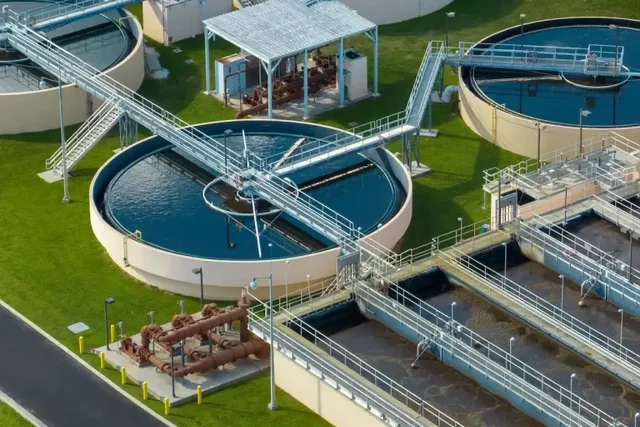
Albania has recently secured one of the largest European funding packages for the environmental sector, including 124 million euros in grants from the Western Balkans Investment Framework (WBIF), intended for infrastructure projects in Durrës, Lezhë and Saranda.
The decision includes the expansion of the Wastewater Treatment Plants in Lezha and Saranda, as well as the improvement of the Durrës Plant, accompanied by the rehabilitation of the sewage system in the historic area of the city.
According to the announcement by SASPAC (State Agency for Strategy Programming and Aid Coordination), the expansion and modernization of wastewater treatment plants in Lezha, Saranda and Durrës is expected to significantly improve urban pollution management and reduce pressure on coastal and aquatic ecosystems, especially in cities with high tourist flows.
The rehabilitation of the sewage system in the historic area of Durrës also aims to protect urban heritage and improve basic services for residents and visitors.
Meanwhile, the reality on the ground continues to show a stark contrast between allocated funds and investment efficiency. The repeated floods, in this case in Durrës and Lezha, even after the recent rainfall, have once again highlighted a structural problem: the lack of an integrated and effective approach to the planning, implementation and maintenance of urban and environmental infrastructure.
While projects funded by the EU, KfW and AFD aim to modernize wastewater treatment plants and rehabilitate sewage systems, especially in sensitive historical and tourist areas, the experience of recent years shows that investments made so far have not always produced the expected impact.
In particular, in Durrës and Lezha, cities with rapid urban development and high construction pressure, the existing infrastructure has proven unable to cope with water volumes and climate change, reflecting problems not only of financing, but also of design, institutional coordination and territorial control.
The essential factor remains the efficiency of spending funds. “Rivers” of funding, whether from foreign donors or local budgets, do not automatically guarantee solutions if investments are not accompanied by clear urban plans, strong technical standards, transparency in implementation and institutional accountability.
Otherwise, the risk is that even new projects, no matter how large in value, will remain fragmented interventions, failing to address the real cause of floods and environmental degradation.
In this context, the challenge for Durrës, Lezha and other municipalities is no longer securing funds, as they already exist, but transforming these investments into functional, sustainable infrastructure integrated with urban development. Otherwise, floods will continue to be the most visible symbol of a deep gap between available funding and real results for citizens. ekofin.al