"The fate of the homeland is in our hands" - An appeal by Ismail...
/ 2026-10-18 16:09:54Focus


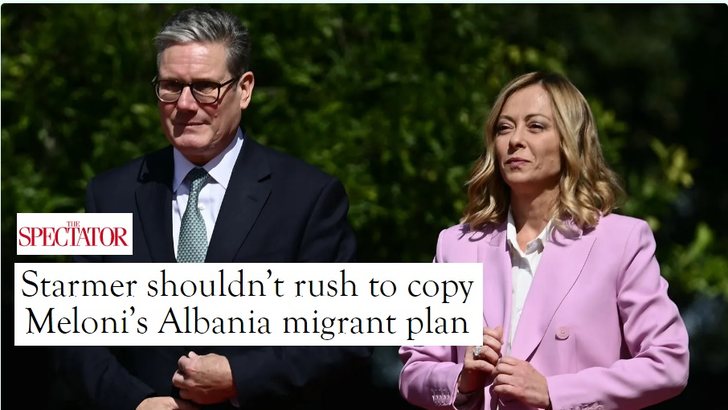
The British Prime Minister knows that such a plan will not work. He agrees with Giorgia Meloni for a completely different reason.
By Lea Ypi – The Guardian
One cold, late evening in the winter of 1999, I was waiting for a train at Termini station in Rome when I noticed an elderly lady struggling with her suitcases, so I offered to help her. "Signorina," her voice trembled ever so slightly. "Fortunately there are still young people like you. I was very worried. This station is full of Albanian robbers. It's an invasion."
At that time I did not have the courage to tell him that I was Albanian. I was one of the lucky ones – a student on a scholarship, unlike my fellow citizens who worked as cleaners, builders, janitors and sex workers. We made headlines in Italy those days. Sometimes as a nation of smugglers, pimps and thieves; sometimes as failed individuals, socialized under a different system, who struggled to integrate; and sometimes as corrupt, lazy people unable to apply in their country the formula of success they had seen beamed over the Adriatic Sea on Silvio Berlusconi's television channels.
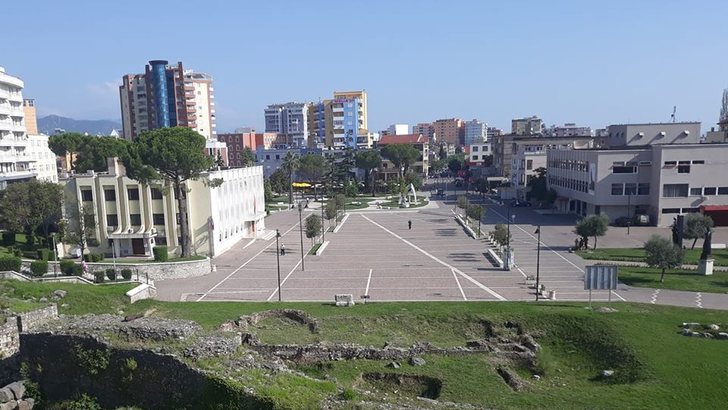
"Invaders" was just one of the labels. Although, taken literally, the only invasion in the history of the two nations went the other way. It happened on April 7, 1939, when Mussolini's troops landed in my hometown, Durrës, and annexed the Albanian kingdom under the kingdom of Italy, turning it into a military base for the subsequent invasion of Greece, exploiting the copper, chrome and natural resources of other natural ones by adorning the Albanian flag with fascist symbols.
Since the end of communist rule in the early 1990s, no Albanian politician has dared to challenge an Italian government over the legacy of its colonial relationship with Albania.
Rather, as with the recent agreement that enabled Giorgia Meloni's government to process asylum seekers extraterritorially in Albania, the special historical friendship between the two nations is often cited. After all, unlike the Italian invasion of Ethiopia, we were spared chemical weapons. The March 1997 incident where dozens of women and children drowned after being hit by an Italian patrol boat has now been classified as an accident.
Megjithatë, një qeveri nuk është kurrë e njëjtë me njerëzit e saj. Edhe shumë shqiptarë kujtojnë me mirënjohje mikpritjen që iu bë që nga vitet ’90 e në vazhdim. Gjatë viteve të studimit në Romë, takova dhjetëra italianë të cilët më siguruan se të huajt ishin të mirëpritur dhe më kërkonin falje për fyerjet që dëgjoja shpesh në publik. Ata shpjegonin se edhe italianët dikur kishin qenë emigrantë. Nuk ishin ata që besuan në mitin e “Italiani brava gente” (italianët njerëzit e mirë), i cili shërbeu për të normalizuar dhe shfajësuar trashëgiminë e Musolinit. Ata nuk mendonin se kombi duhet të jetë mbi gjithçka. Ata nuk votuan për parti si ajo e Melonit.
Zyrtarët britanikë, mes të cilëve thuhet edhe Keir Starmer, kanë deklaruar se qeveria e Mbretërisë së Bashkuar është e interesuar për një pakt migrimi si ai shqiptar. Ai nuk do të jetë me Shqipërinë. Qeveria shqiptare shqyrtoi më parë kërkesat e zyrtarëve britanikë dhe i refuzoi ato, duke deklaruar se vendi nuk do të shndërrohej kurrë në venddepozitimin e Evropës.
Megjithatë, gjithçka që i duhet Britanisë për një marrëveshje ekuivalente është një ish-koloni me një qeveri, kujtesa e së cilës është mjaft e mprehtë për të kujtuar rrugët dhe ndërtesat që zotëria i saj ndërtoi në shekullin e kaluar, por jo qeniet njerëzore që shfrytëzoi në dekadat e fundit. Një popull mjaftueshëm i traumatizuar nga e kaluara e tij e afërt për të hequr nga kujtesa të largëtën dhe i qeverisur nga një elitë politike e nënshtruar në përputhje me rendin liberal, i cili do të përsërisë mantrën se ne të gjithë duhet të ndajmë pasojat e migrimit pa vënë në dyshim shkaqet e tij gjeopolitike.
Megjithatë, do të ishte naive të kritikoheshin përpjekjet e Starmerit për të trajtuar migracionin duke moralizuar mbi këto çështje, siç janë të prirur të bëjnë shumë njerëz në të majtë. Kur argumenti se duhet “të jemi pragmatikë” është i pari që hidhet në tavolinë, parimet (kujtesa, përgjegjësia, kujdesi për njerëzit vulnerabël, siç thuhet) tashmë janë pezulluar.
Si ta kundërshtojmë atë, atëherë? Ndoshta me një logjikë të thjeshtë. Marrëveshjet e migracionit, si ajo që Laburistët me sa duket po studiojnë, bazohen në supozime të ndryshme: që migrimi në vetvete është një problem, se migrimi i parregullt luftohet më së miri me kufizime kufitare drakoniane, se ndalimi jashtë-territorial mund të veprojë si një pengesë. Ka shumë raportime që tregojnë se secila nga këto premisa është e dyshimtë. Por edhe duke supozuar se ato janë të vlefshme, ka tre çështje të tjera me të cilat duhet të përballet çdo politikan “pragmatik”.
Politically, Albania's model is presented as an innovation in the management of migratory flows, because it involves cooperation between a candidate for the EU and an EU member state. Inspired by the desire to find a "structural" solution to the issue of irregular immigration, in reality it does exactly the opposite: it leaves to bilateral negotiations what should come as a result of an EU-wide process. More than that, and more importantly for the UK, which has no plans to rejoin the EU, it sets a dangerous precedent in which individual countries follow their own agreements to address the "problem" of of migration, avoiding the chances of a truly coordinated process across Europe.
Second, the principle of non-refoulement, contained in the 1951 UN convention relating to the status of refugees, prohibits the deportation or return of people to countries deemed unsafe. Meloni insists that Albania is safe, citing its candidate status in the EU. But if so, why are pregnant women, children and other vulnerable categories excluded from the agreement?
Third, there is the economic issue. To comply with international law, deported migrants must remain under the responsibility of Italy. According to the agreement between Italy and Albania, Italy is responsible for all the costs of the construction and management of the two centers, as well as the police personnel, doctors, nurses and administrative officials with a total expenditure estimated to reach 670 million euros (562 million £). An irregular immigrant in Albania costs Italy the same or more than if he were processed on its territory. The only benefit is that immigrants become invisible - "lontano dagli occhi, lontano dal cuore", (out of sight, out of mind, ed.) as the Italian saying goes.
We are told that the Starmer government is pragmatic and interested in what works. But how can a "solution" that does not make logical sense from a political, legal and economic point of view still be considered "pragmatic"?
Perhaps there is only one plausible answer: propaganda. Labor knows it has a precarious majority, threatened by far-right politicians shouting about the dangers of migration.
Labor thinks it can send a message to more right-wing voters in its coalition that it too is tough on migrants. In doing so, it takes its liberal and left-wing supporters for granted. They can suspend their principles and forgive the rhetoric for a while. But political, legal and economic contradictions will remain. And if the plans go ahead, they will begin to question what kind of pragmatism they are supporting.
*Lea Ypi is Professor of Political Theory in the Department of Government at the London School of Economics. Taken from The Guardian