Is this police force professional and capable of handling violen...
/ 2026-10-16 18:54:07Focus


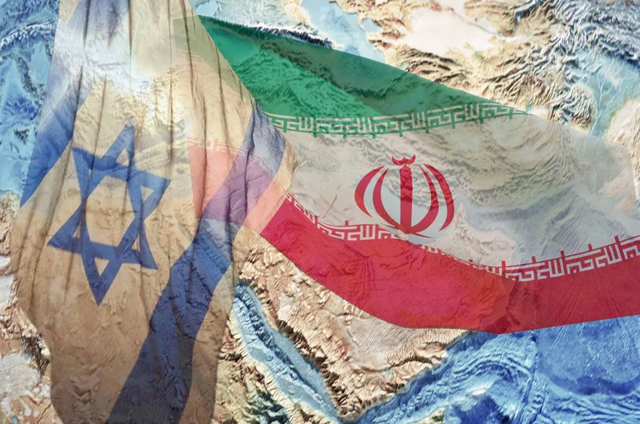
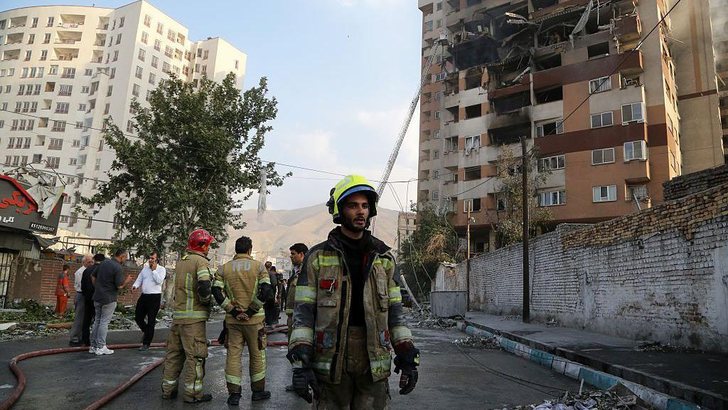
As expected, the Iran-Israel conflict has continued over the past 24 hours with mutual strikes and it seems that it will continue for a long time. It will be a unique conflict in the way it is being waged, without a front line and without the goal of capturing and holding territory. This is an air, cyber and psychological war, where success or failure is measured by the number of drones, missiles, aircraft used, their accuracy or the neutralization measures of the opponent. It is a chilling prologue to how future wars can be waged, at a distance, quick, devastating strikes, without a single soldier being engaged in direct combat. The current conflict, if a quick solution is not found, is likely to last not for days or weeks, but for months (if not years) as a low-intensity conflict with mutual strikes. At the moment, the parties fear a large-scale war due to the high human, economic and political costs. Any sign that Iran is accelerating uranium enrichment could trigger new Israeli attacks and retaliation from Iran and the groups it supports in the region.
Iran's nuclear trajectory
Since 2018, when the US withdrew from the Joint Comprehensive Plan of Action (JCPOA) on Iran's nuclear program, Tehran has quietly doubled its uranium enrichment capacity, reaching 60% just before the Israeli attack. It took only a few weeks to reach the 90% enrichment level required to create a nuclear warhead.
Israel's latest strike, the annihilation of senior military leadership and nuclear scientists, has favored hardliners in Iran, who have been against negotiations and cling to the idea that only nuclear weapons can keep Israel and the US at bay.
In the four rounds of talks between April and May 2025, the signal was given that Iran could take steps back on its nuclear program in exchange for real relief from sanctions.
With the situation created and the possibilities of negotiating through mediation, three possible alternatives appear before Iran: a) continuing to enrich uranium to near the 90% level and then negotiating conditions in exchange for sanctions relief, b) maintaining the current level of enrichment, being very close to the full enrichment limit, offering minimal transparency to the atomic agency (IAEA) and avoiding its restrictive measures, c) returning to the Joint Comprehensive Plan of Action (JCPOA) and the minimum permitted levels of uranium enrichment. In exchange for this, sanctions relief and the lifting of restrictions on ballistic missiles.
If we have a dominance of the hardline within Iran, it will be followed by a decision to continue efforts for further armament and the continuation of the nuclear program, thus opening a regional arms race and further escalating the security situation in the region.
An agreement acceptable to the parties before October 2025 will depend on the US stance and Tehran's choice between hard and moderate lines. In short, Iran's nuclear future depends on where the balance of power in its domestic politics will tip, between hard-liners seeking nuclear weapons and pragmatists seeking sanctions relief.
Israel's stance on Iran's nuclear program
Israel’s entire strategic posture is built around the idea that a nuclear-armed Iran would pose an existential threat to it. Tehran’s leadership has repeatedly called for Israel’s destruction, and Iran already possesses ballistic missiles capable of striking anywhere in Israel. Iran’s possession of a nuclear weapon would destroy Israel’s unique nuclear monopoly in the region, tipping the balance irreversibly in Tehran’s favor.
Although Israel has never officially confirmed its arsenal, its nuclear capability is based on the so-called "Samson Option," or the undeclared doctrine of using nuclear weapons against any existential threat to the Israeli state. If Iran were to produce its own nuclear weapons, this doctrine would collapse and Israel would face a much more insecure environment.
On the other hand, Iran's nuclear empowerment would not only embolden it, but would also empower the organizations it supports, such as Hezbollah in Lebanon and Hamas in Gaza, making any future Israeli retaliation much more dangerous. With nuclear weapons in its arsenal, Iran would be able to create a shield for its supporters, confident that Israel would not risk crossing a red line.
Israeli military planners adhere to the doctrine of “preemptive self-defense” when faced with an imminent existential threat. After Iran’s uranium enrichment infrastructure reached critical mass in June 2025, Israel judged that waiting any longer would give Iran the irreversible ability to build a nuclear weapon.
In short, for Israel, a nuclear-armed Iran is not just another adversary, but a regime capable of and committed to its destruction by any means necessary. This combination makes the Iranian nuclear program a non-negotiable red line for Israel.
Is Iran currently capable of producing nuclear weapons?
Sipas Agjencisë Atomike (IAEA), sulmet e Izraelit në uzinën e pasurimit të uraniumit në Isfahan ka të ngjarë të kenë penguarprogramin bërthamor iranian të paktën me disa muaj. Edhe pse instalimet nëntokësore të pasurimit në Natanz mbeten të paprekura, rivendosja e situatës normaletë ciklit të pasurimit do të kërkojë disa muaj të tjerë riparimesh komplekse ose furnizime me pajisje të reja. Në praktikë, kjo do të thotë që Irani nuk do të jetë në gjendje të ketërendimentin e pasurimit të uraniumit tëpara sulmit të paktën deri në fund të vitit 2025.
Në fakt, stoku ekzistues i uraniumit të pasuruar 60 përqind është më shumë se i mjaftueshëm për të prodhuar disa mbushje bërthamore. Sipas një raporti konfidencial të Agjencisë Atomike të OKB (IAEA), Teherani kishte rreth 408.6 kg uranium të pasuruar 60 përqind që nga mesi i majit 2025, të mjaftueshme për rreth dhjetë mbushje bërthamore.
Teknikisht,pasurimi i këtij materiali nga 60 përqind pastërti në 90 përqind është i realizueshëm shumë më shpejt sesa fillimi nga nivele më të ulëta të pasurimit. Zyrtarët amerikanë vlerësojnë se Irani mund ta shndërrojë stokun e tij aktual (pasurim 60%) në uranium të gradës së nevojshme përmbushje bërthamore në më pak se dy javë. Edhe me kapacitete të kufizuara pas sulmeve të fundit, Irani mund të mbështetet në rezervat e tij të akumuluara dhe ka të ngjarë të ketë nevojë vetëm për disa javë për të siguruar uranium të mjaftueshëm të gradës së duhur të paktën për një mbushje bërthamore, nëse merret një vendim i tillë politik.
Megjithatë, të kesh uranium të pasuruar është vetëm një pjesë e ekuacionit. Ndërtimi i një arme bërthamore kërkon më shumë se kaq dhe është më kompleks. Njohuritë teknike të Iranit në këtë fushë gjykohen të përparuara, por ende jo plotësisht të testuara ose të provuara në praktikë. Kështu që, një mbushje bërthamore e plotë dhe operacionale mund të kërkojë ende disa muaj shtesë kërkim dhe zhvillim testimesh të dedikuara pasi të kapërcehet pengesa e uraniumit të pasuruar 90%.
Zhvillimet e mëtejshme dhe mundësia e bisedimeve
Zhvillimet e mëtejshme janë të varuara nga zgjedhjet e Iranit dhe qëndrimi i SHBA, që ende nuk e ka thënë fjalën e fundit. Sa për Izraelin, nuk pritet të heqë dorë nga qëllimi i saj për të mos lejuar Iranin të prodhojë armën bërthamore.
Sipas shumicës së parashikimeve në nivel ekspertësh, nuk pritet të ketë një armëpushim në ditët e ardhshme, por vazhdim të sulmeve ajrore e kibernetike të ndërsjella. Dinamika aktuale mund të ndryshojë vetëm nëse SHBA vendosin se çfarë do të bëjnë dhe se si do të reagojë politika e brendshme iraniane.
Nëse do të kishte bisedime për një paqe të mundshme, shtetet më të përshtatshme që mund ta ndërmjetësonin këtë do të ishin Katari, Omani dhe Turqia.
Qatar is a proven mediator and organizer, known for the indirect US-Taliban talks (2020) and the Gaza ceasefire negotiations, succeeding where more powerful states had stalled. In this case, Qatar maintains good relations with Israel, Iran, Hamas, and the Gulf states, making it a credible mediator where all parties believe they will be heard.
Oman best represents “invisible diplomacy.” It has just brokered a US-Houthi maritime security agreement in the Red Sea, proving that it can get warring parties to sit down and come to an agreement. Unlike its neighbors, Oman has consistently avoided major alliances, so it is seen as a disinterested technical mediator. Oman hosted the first four rounds of US-Iran talks since 2018, keeping the lines of communication open even when official diplomacy was not actually working.
Turkey, a NATO member with historical Ottoman-era ties to the Levant, is acceptable to both the West and Islamic countries, provided it resists internal pressure to take sides. Erdoğan’s efforts in Libya and Syria show that Turkey can keep parties engaged in negotiations even when official diplomacy falters. Turkey’s role in Gaza (humanitarian corridors), its influence over factions in northern Syria, and its growing naval power in the Eastern Mediterranean give it a unique advantage, although it risks being tipped by internal pressure.
Of these three countries, Oman's recipe for neutrality, hospitality, and procedural efficiency creates the necessary trust for Iran and Israel to take steps toward reducing tensions and finding an acceptable solution.
*Sami Neziri is an analyst on security issues