Is this police force professional and capable of handling violen...
/ 2026-10-16 18:54:07Focus



From the Financial Times
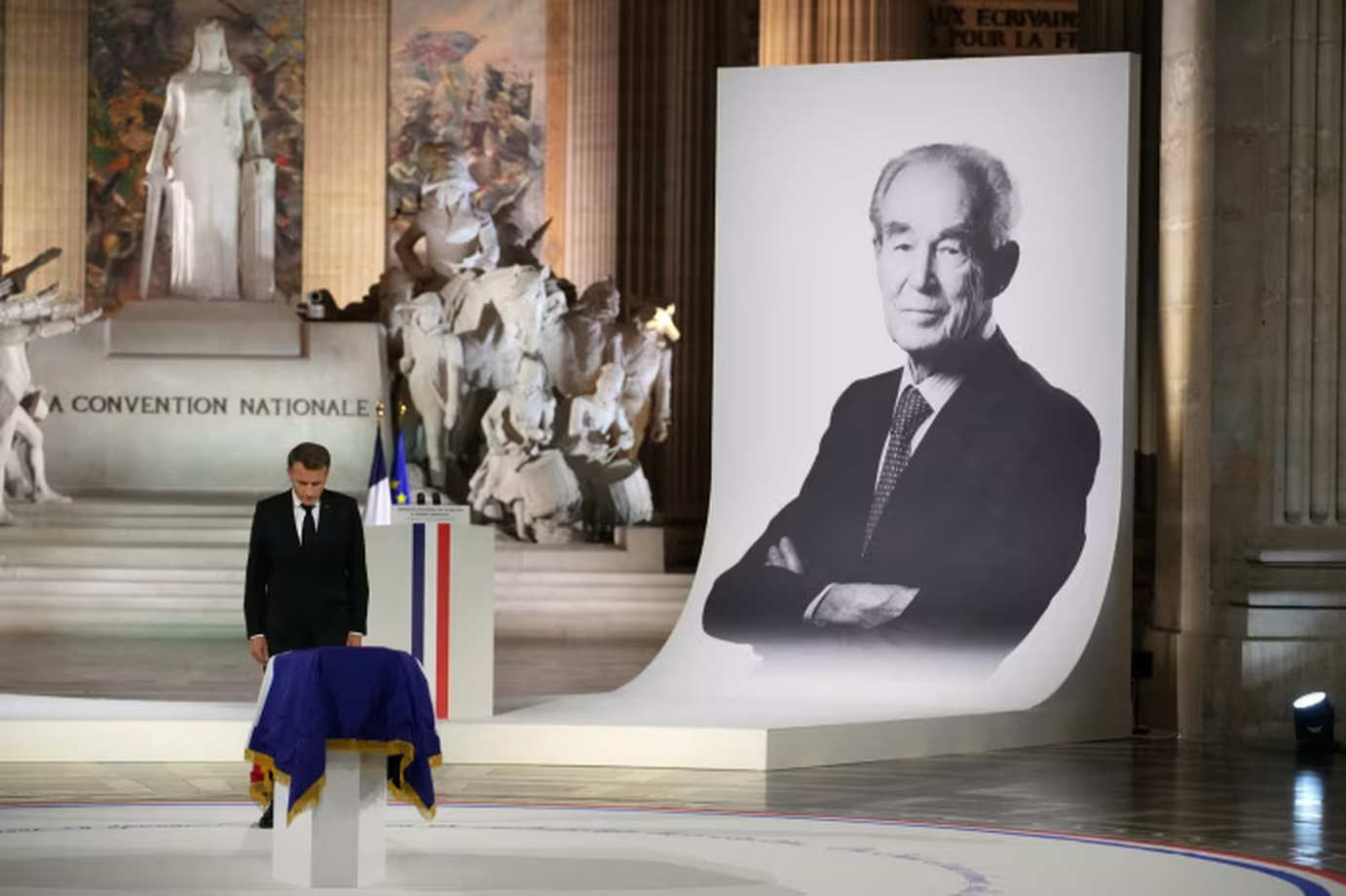
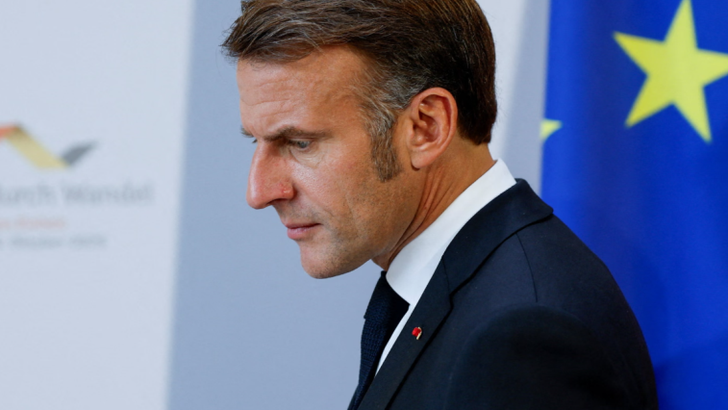
Emmanuel Macron appeared somber in the grand and solemn Panthéon during a ceremony to bury a former French justice minister this week. It was a stark reminder of the president's growing isolation as former allies turn their backs on him and his popularity plummets amid a political crisis for which he is widely blamed.
The late minister Robert Badinter was “criticized, attacked, mocked, despised, insulted, abused, even hated” for his life’s work to abolish the death penalty and legalize homosexuality, Macron said in his speech on Thursday, perhaps seeing some parallels with his current situation.
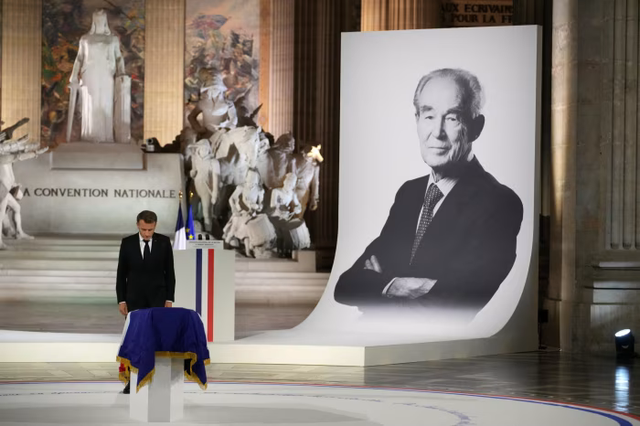
The 'death of Macronism' has been predicted before. However, after a week of chaos, with Sébastien Lecornu reappointed as prime minister on Friday evening, less than a week after resigning, it is becoming increasingly clear that France's nearly 10-year experiment with Macron's form of centrist politics is coming to an end.
“This is the end of Macron. He has lost all credibility,” said an adviser to the right-wing party Les Républicains, which on Monday prompted Lecornu’s resignation when he withdrew from his government. “First we will see the end of his political system and then of him as a figure.”
Anti-presidential sentiment is a common feature of French political life. Macron's predecessor, François Hollande, a socialist politician who served only one term, was even more hated than the current president.
But in addition to his declining popularity, Macron's legacy is also at risk, as his parliamentary bloc has split and allies have opened the door to blocking some of his key economic policies, such as raising the retirement age to 64.
“What is Le Macronisme? It’s a liberal economic policy, a very pro-European stance, a willingness to reform our country, and a very strong approach to security,” said Charles Rodwell, an MP from Macron’s Renaissance party. “If we decide to back down and abandon pension reform, it’s like we’re giving up part of our identity.”
Macron's attempt to reshape French politics may prove as temporary as his rise was rapid.
Macron’s ascension to the top job in 2017 “broke the classic political alternation between right and left in France,” said a person close to the president. “Was this a 10-year parenthesis, or will we have a political life divided into three in the long term?” Whether his move and the balance of policies survive “will be judged by history,” he said.
In 2017, the former Rothschild banker won the presidency despite having never held elected office before and having served only one term as economy minister in Hollande’s government. His disruptive approach attracted talent from the center-left, center-right, and the private sector. Young people rallied to campaign for him, bringing a new generation of faces to the government.
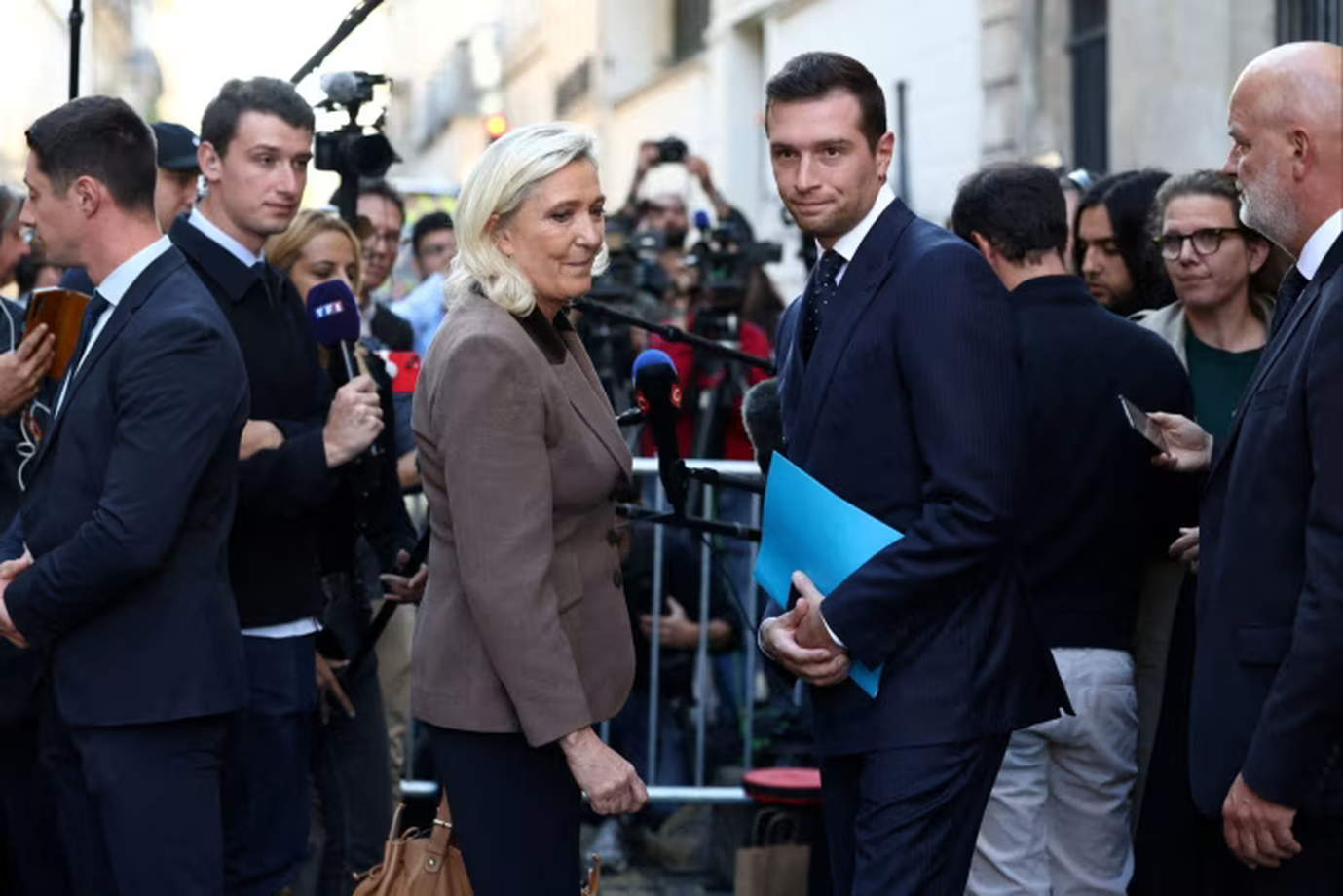
Now Macron's three-party central alliance is falling apart, with the center-left and center-right parties deeply divided over whether to give him the support he needs to govern. Meanwhile, Marine Le Pen's Rassemblement National is emerging as a stable force, ready to govern.
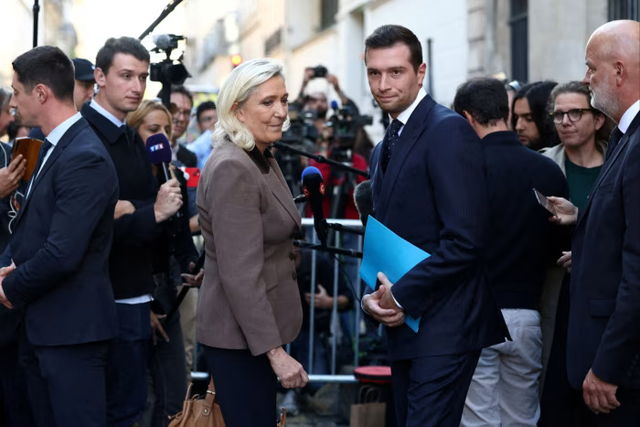
Macron's own camp "is not showing good signs," admitted François Patriat, a senator from the Renaissance party. "It's a miserable spectacle. The parties are splitting up among themselves. The problem is not in the Élysée, but in parliament. They are unable to compromise, which is why they are demanding the president's resignation."
Le Pen and far-left opposition parties, which have long called for Macron's resignation, joined this week with former prime minister and presidential candidate Edouard Philippe, who told Le Figaro that the crisis is threatening "the authority and stability of the state."
Macron, whose term runs until 2027, has always stated that he will fulfill it.
Gabriel Attal, another former Macron protégé whose term as prime minister was cut short by the president's decision to call early parliamentary elections last year, said he "no longer understood the president's decisions."
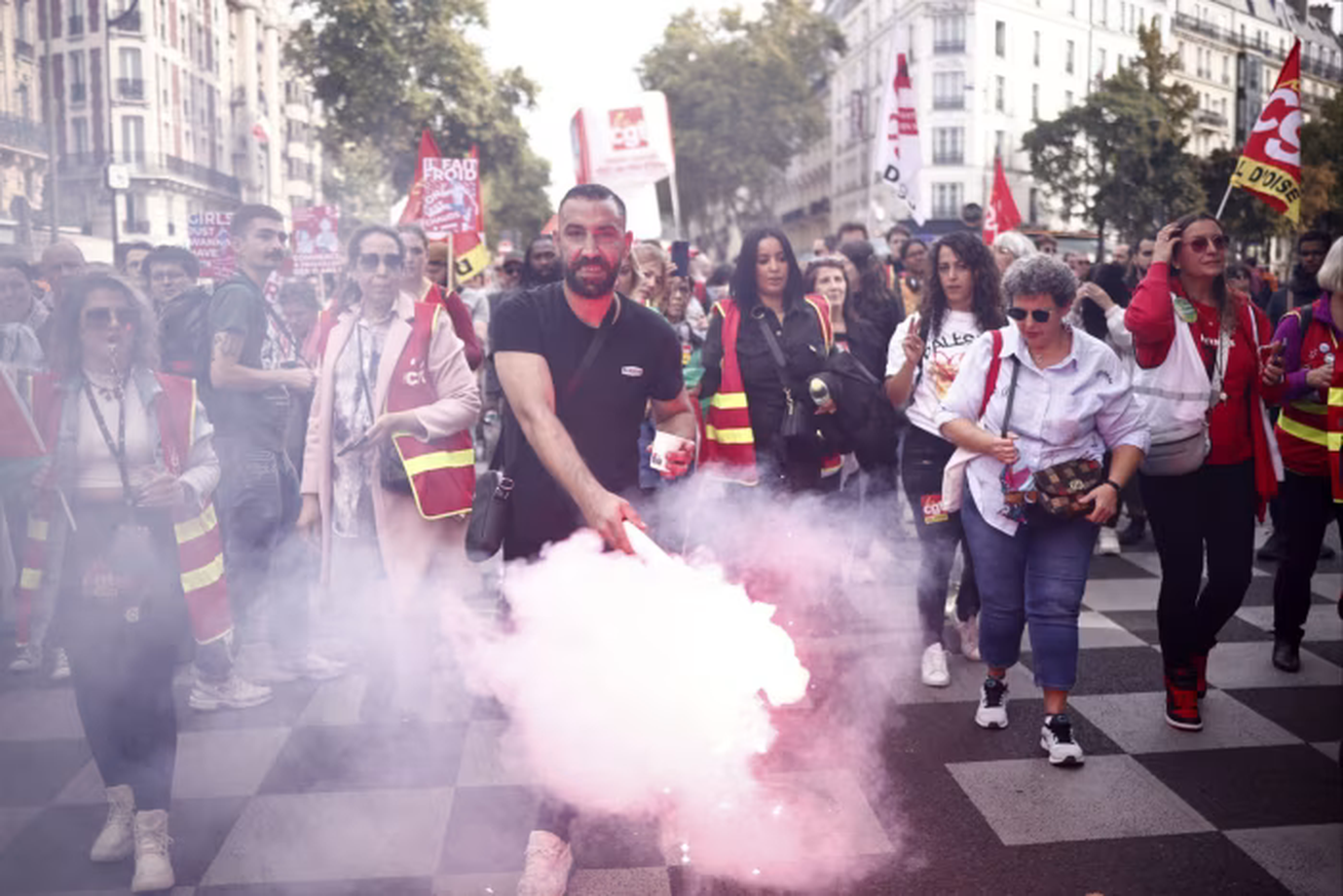
Macron's two terms in office have been marked by numerous crises, from the anti-government Gilets Jaunes protests of 2018, to economic and social hardship during the Covid-19 pandemic, to the much-unpopular pension reform.
But the current turmoil can be traced back to a failed gamble last year, when Macron decided to dissolve the National Assembly in an attempt to halt the rise of Le Pen's party, which had just won elections to the European Parliament. The snap vote cost Macron's bloc the ability to govern and pass budgets, strengthening the far right.
As his influence on domestic politics has waned, Macron has focused on diplomacy, engaging on issues such as European defense, Ukraine and the conflict in Gaza. This week he hosted Arab and European foreign ministers in Paris to discuss post-war reconstruction in Gaza. He brokered the first meeting between President-elect Donald Trump and Ukrainian President Volodymyr Zelenskyy at the reopening of Notre-Dame Cathedral in December.
But the atmosphere inside Macron’s camp was described as “somber” this week after Lecornu’s resignation. Cabinet aides and advisers are sending out their resumes as they seek private-sector jobs, according to three people with knowledge of the situation. “The 2024 distribution was useless and annoying, but people felt it was important and a duty to campaign, especially against the far right. Now that energy is gone,” said one outgoing cabinet adviser.
The president was seen walking along the banks of the Seine this week, a solitary figure in black, his phone pressed to his ear. People close to him said he remains resolute, focused on the need to pass the 2026 budget and optimistic about finding a way out of the current impasse, though saddened by the state of France.
Supporters see this as a strength. “The president is a fighter; he will go to the end to save whatever he can of the reforms, of what he has built,” said Renaissance MP Karl Olive.
His camp still hopes that, against all odds, a deal will be reached. Perhaps this is the most Macronist trait of all: an unwavering belief, even in the face of history, obstacles, critics and mistakes, that a way forward can be found.
“It’s a sad sight, but somewhere there is still a chance that a light can shine from this darkness,” said the person close to the president. “Only at the end of the dance do you get paid for the orchestra.”
But others see him as an overconfident and increasingly detached president, imposing his solutions despite mounting evidence that they don’t work. “It’s a big mess; meanwhile the president’s entourage is keeping him optimistic… It’s a disaster,” said one former adviser.
“I think Macron himself has no idea what he’s going to do: he’s sailing blind,” said one French leader. “Let’s hope it’s not the Titanic.”