"The fate of the homeland is in our hands" - An appeal by Ismail...
/ 2026-10-18 16:09:54Focus


Israel has achieved some significant military successes in recent weeks, but political experts in the US and Israel criticize the government for lacking plans to turn these into diplomatic successes.
The war between Israel and Hamas has entered its second year and there is still no end in sight. The Israeli government seems to be quite unclear about how this war might end and what will happen next. She does not mention any specific plans. Both the government and Prime Minister Benjamin Netanyahu speak of a "total victory." What this means in practice remains unclear, however, and many observers are convinced that there is no unanimous opinion on this even within the Israeli government. Hamas has been categorized as a terrorist organization by the USA, EU, Canada, Germany, and other countries.
The status quo turns to war
For years, Netanyahu and the various governments under him tried to maintain the status quo in the conflict with the Palestinians. In Hebrew, this approach is known as "Nihul HaSikhsukh" or "conflict management": the existing situation must be preserved under all circumstances. Torn between the demands of his ultra-right voters and the need to find a solution to the situation in the occupied West Bank and Gaza, Netanyahu repeatedly postponed a decision.
According to Israeli media reports, Netanyahu stated in 2019 that it was part of his strategy to maintain division between Palestinian factions in the West Bank and Gaza by allowing money transfers from Qatar to Hamas. But as of October 7, 2023, many Israelis see this strategy not only as a failure, but as deadly.
This day, around 1,200 people, most of them civilians, lost their lives in terrorist attacks. The various Islamist groups that carried out these attacks, led by Hamas, also kidnapped around 250 people in Gaza. 101 of these hostages are still being held there.
It was the worst terrorist attack in Israel's history and the deadliest massacre of Jews since the Holocaust. The Israeli government was forced to do something it had avoided in the previous escalation with Hamas: it formally declared all-out war. "Not an offensive, not a combat mission, a war," Netanyahu made clear when he learned of the October 7 attacks.
US calls for 'political strategy'
But a year after the start of the war against Hamas and just weeks after Israel's first strike in southern Lebanon, Netanyahu appears to be returning to his old ways. And it comes at a time when Israeli security authorities are calling for more decisiveness in the political decision-making process.
Nga njëra anë, ushtria izraelite thekson se e ka mposhtur krahun luftarak të Hamasit "në nivel ushtarak" dhe se ai mund të veprojë vetëm si një grup gueril. Nga ana tjetër, nuk ka ndonjë gjë të re për të raportuar për kthimin e 101 pengjeve që mbeten në duart e grupeve militante në Gaza.
Rregullisht ka sulme brenda Izraelit. Në përshkallëzimin e fundit me Libanin, ushtarë izraelitë humbën jetën dhe mijëra izraelitë u detyruan të largoheshin nga shtëpitë e tyre.
Nga ana libaneze, Ministria e Shëndetësisë raportoi të paktën 274 të vdekur dhe 1,024 të plagosur pas sulmeve ajrore izraelite në fund të shtatorit. Pas sulmit të fundit izraelit më 10 tetor në qendër të Bejrutit, autoritetet konfirmuan vdekjen e të paktën 22 personave.
SHBA, aleati më i ngushtë i Izraelit, po kërkon nga Netanyahu një strategji për periudhën e pasluftës dhe të ardhmen e rajonit. Në maj, Këshilltari i Sigurisë Kombëtare i SHBA, Jake Sullivan u takua me Netanyahun, presidentin izraelit Isaac Herzog dhe zyrtarë të tjerë qeveritarë. Aty ai "theksoi nevojën që Izraeli të lidhë operacionet e tij ushtarake me një strategji politike që siguron mposhtjen e qëndrueshme të Hamasit, lirimin e të gjithë pengjeve dhe një të ardhme më të mirë për Gazën", u shpreh Sullivan pas vizitës së tij në Izrael.
Si të veprohet më tej?
Shumica e popullsisë izraelite beson se qeverisë i mungon një strategji e qartë. Sipas një sondazhi të kohëve të fundit nga Instituti i Politikave të Popullit Hebre, 57 për qind e popullsisë fajëson mungesën e strategjisë së qartë si shkak që lufta ka vazhduar për kaq gjatë. 76 për qind e izraelitëve gjithashtu besojnë se lufta po zvarritet, sepse qeveria po humb shumë kohë për të marrë vendime. Sipas shumë njerëzve, edhe vetë mbijetesa e qeverisë së koalicionit gjithashtu luan një rol tek kjo situatë.
Partia Likud e Netanyahut ka fituar pikë në sondazhet javët e fundit, por vetë qeveria e koalicionit të krahut të djathtë vazhdon të mbetet prapa partive opozitare. 55 për qind janë të bindur se lufta do të zgjatet për këtë shkak.
Ndërkohë që e djathta ekstreme izraelite bën thirrje për sulme ndaj mbështetësit kryesor të Hezbollahut, Iranit, të moderuarit në qeverinë e Netanyahut, nga ana tjetër, besojnë se bashkëpunimi me SHBA-në është rruga e duhur.
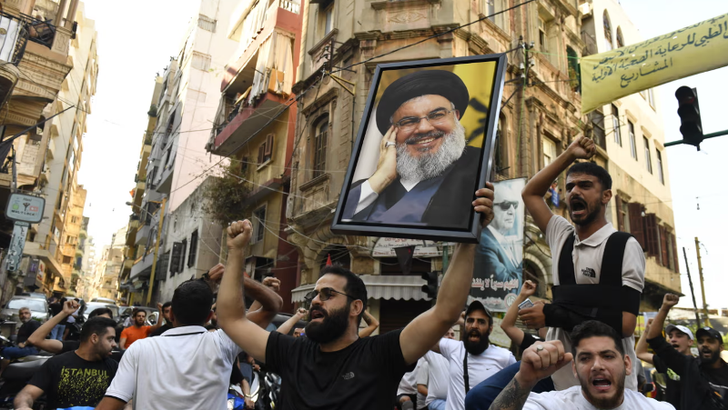
Javët e fundit, forcat izraelite vranë jo vetëm liderin e shumëkërkuar të Hezbollahut, Hassan Nasrallah, por edhe udhëheqës të tjerë të milicisë së Hezbollahut. Teherani hodhi 200 raketa drejt Izraelit në përgjigje të vrasjes së Nasrallah dhe udhëheqësve të tjerë të Hezbollahut.
Shtetet e Bashkuara po i kërkojnë Izraelit t'i kthejë operacionet inteligjente dhe ushtarake në suksese politike. Një burim që e njeh mirë qeverinë izraelite i tha Washington Post se Izraeli ka një strategji për të luftuar Hezbollahun, por "jo domosdoshmërisht një strategji për atë që do të vijë më pas, si t'i japë fund asaj".
Nuk ka zgjidhje me dy shtete
Regarding the "total victory" declared by Netanyahu, the Foreign Affairs and Defense Committee of the Israeli Parliament was scheduled to meet on October 6 to formally clarify the terms "victory" and "defeat". The meeting was cancelled. The lack of a strategy of the Israeli government also has consequences for the post-war period. The far-right in the government wants to expand settlements in the West Bank, which the international community largely considers illegal. Some on the far right would even like to see Israeli settlements in the Gaza Strip again.
Meanwhile, there have been increased voices from the Arab and Muslim world calling for the normalization of relations with Israel in exchange for the creation of a Palestinian state. Voices that until recently were only heard behind closed doors or in confidential conversations. Ayman Safadi, Jordan's foreign minister, is the most senior Arab politician to speak out on the issue.
In a press conference after Netanyahu's speech to the UN General Assembly in September, Safadi said the Arab and Muslim world was ready to guarantee Israel's security if the Israeli government agreed to the creation of a Palestinian state on the pre-1967 borders. - is. Israel has rejected a two-state solution, said Safadi. The Israeli government itself does not take a position on the two-state solution, but some government officials have publicly spoken out strongly against a possible state of their own for the Palestinians. "Can you ask the representatives of Israel what their goal is other than war, war and more war?"/ DW