Is this police force professional and capable of handling violen...
/ 2026-10-16 18:54:07Focus


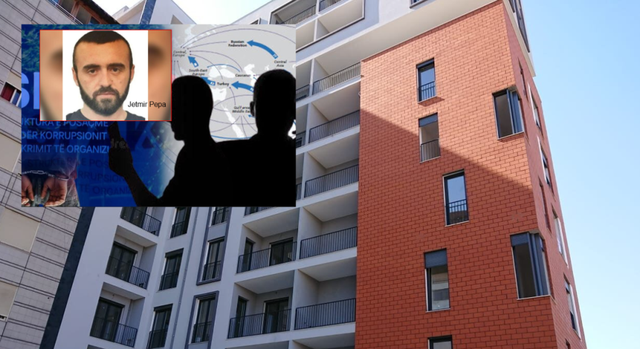
232 movable and immovable assets worth around 12 million euros have been seized as part of investigations conducted by the Special Prosecution Office against an international structured criminal group.
Construction companies, businesses, apartments, land, 89 cars of various types and bank accounts were seized on Wednesday morning after the prosecution suspects they benefited from international drug trafficking and money laundering activities.
In an official announcement, the Prosecution announced that on Wednesday, April 15, 2025, Lulzim Pepa, Florian Marku and Anton Kola were arrested, while arrest warrants for 4 criminal offenses related to the creation of criminal organizations, drug trafficking and money laundering were issued for 7 other people.
According to SPAK investigations, the structured criminal group is suspected of operating during 2019–2021 in Latin America, Belgium and the Netherlands, where eight episodes of cocaine trafficking with a total quantity of around 7.5 tons have been documented. The cargoes were transported via sea routes and commercial containers, using camouflage methods in legitimate goods, with destinations in major European ports, including Rotterdam.
The group that transported 7 tons of cocaine
In early 2020, as the pandemic was just beginning to change the pace of the world, another network – much more invisible and more organized – was operating in parallel on the trade corridors between Latin America and Europe. It was not a single operation, but a well-structured trafficking chain, where ordinary cargo containers served as cover for tons of cocaine.
During the months of January–March 2020, significant quantities of the drug began to circulate towards the European market. The first concrete signal for the authorities came on March 21, when 8.5 kilograms of cocaine were seized in Amsterdam. At first glance, it was a relatively small amount, but investigations showed that it was only a fragment of a much wider network.
Just a few weeks later, on April 7 and 8, one of the largest cargoes of that period was discovered in the Port of Rotterdam. A Colombian ship had transported a refrigerated container of frozen fruit juices from Peru. Inside, carefully hidden, were 1,018 kilograms of cocaine. The value of this quantity on the black market exceeded 1.3 million euros, indicating the scale of the organization and profitability of the network.
The flow did not stop. On June 6, 2020, another shipment arrived at the same port, this time from Guayaquil. On the documents it appeared as goods destined for a company in Hungary, but in reality it contained around 2020 kilograms of cocaine. Investigations revealed that part of this quantity belonged to the same criminal group, confirming the existence of a stable trafficking corridor.
However, not every operation was successful for the network. On June 26, at the Muelle Sur terminal, DP World Callao in Peru, authorities intervened and seized 516 kilograms of cocaine that was headed for the Netherlands. It was one of the few cases where a shipment was stopped at its origin.
Just four days later, on June 30, another container was intercepted in Rotterdam. It came from Colombia and was documented as containing canned tuna destined for a company in Germany. In reality, 500 kilograms of cocaine were found inside, hidden among the groceries.
August marked another important phase of the network's activity. On August 7, 2020, Dutch authorities intervened on the A2 motorway near Abcoude, where they seized 104 kilograms of cocaine. But this was only part of a much larger operation, which was estimated to involve around 1,600 kilograms in total.
Just a few days later, on August 16, another large shipment was discovered. A container of bananas from Ecuador, which had passed through Antwerp before arriving in Rotterdam, contained around 1,100 packages with a total weight of 1,238.39 kilograms of cocaine. The shipment was destined for a company in The Hague, indicating that the network used various European companies as fronts for distribution.
The series of raids continued in the fall. On October 1 and 2, 2020, Dutch authorities seized 531 kilograms of cocaine in the Port of Rotterdam. This time, the narcotic substance was hidden in a container of raisins, destined for Sweden.
All the episodes uncovered showed investigators a clear pattern of action: the systematic use of commercial containers, the disguise of drugs in food products and the creation of a logistics chain that stretched from Latin American ports to the heart of Europe. The quantities trafficked amounted to tons, while the network displayed great flexibility, changing methods and routes to evade controls.
In the press release, the Special Prosecution Office says that we are dealing with a "structured criminal group that has operated in Latin America, Belgium and the Netherlands, where 8 episodes of cocaine trafficking in large quantities have been documented."
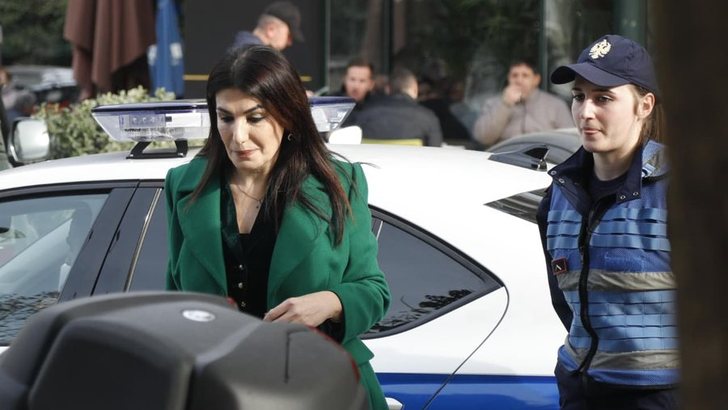
The Special Court has ordered the arrest of 11 people, but only 3 of them were executed by officers of the Bureau of Investigation and the State Police.
Lulzim Pepa, Florian Marku and Anton Kola were arrested by the State Police, while among those arrested is Jetmir Pepa's brother, who is accused of being the leader of the criminal group.
Pepa është një emër i njohur për blutë, pasi në janar 2025 u shpall në kërkim pasi qëlloi me armë në një koncert festiv të organizuar ‘Cinco Cavalli’ në Parkun Olimpik të Tiranës.
Përveç masave të arrestit, Prokuroria njoftoi edhe sekuestrimin e 232 pasurive të luajtshme dhe të paluajtshme, që kapin vlerën e 12 milionë eurove. Sekuestrimet përfshijnë biznese në Tiranë, Lezhë dhe qytetet e tjera të vendit, sipërfaqe toke, hotele, poste parkimi dhe apartamente, si dhe 89 makina të llojeve të ndryshme dhe llogari bankare, që i përkisnin shtetasve nën hetim ose personave të lidhur me ta.
Kompanitë e sekuestruara rezultojnë të jenë në emër të familjarëve të Jetmir Pepës dhe sipas të dhënave nga Open Data bëhet fjalë për kompani aktiviteti i të cilave është ndërtimi i pallateve apo hidrocentraleve, real estate dhe hotelieria.
Perandoria Pepa
Në mesin e 232 pasurive të sekuestruara nga Prokuroria e Posaçme janë edhe aksionet apo pronat e 5 kompanive që zotërohen nga familja Pepa. Prokuroria dyshon se burimi i të ardhurave të këtyre pasurive është aktiviteti kriminal i trafikut të drogës, për të cilin organet ligjzbatuese ndërkombëtare kanë identifikuar Jetmir Pepën si kreun e grupit kriminal.
Të dhënat e hapura nga regjistri i biznesit tregojnë se biznesi i familjes Pepa nis diku në vitet 2012, për një nga kompanitë e vogla, objekti i së cilës ishte tregtimi i mallrave për arredimin e banesave. Kompania themelohet nga Urim Pepa dhe një vit më vonë krijon kompaninë “Pepa Grup”, me objekt kryesisht atë të ndërtimit.
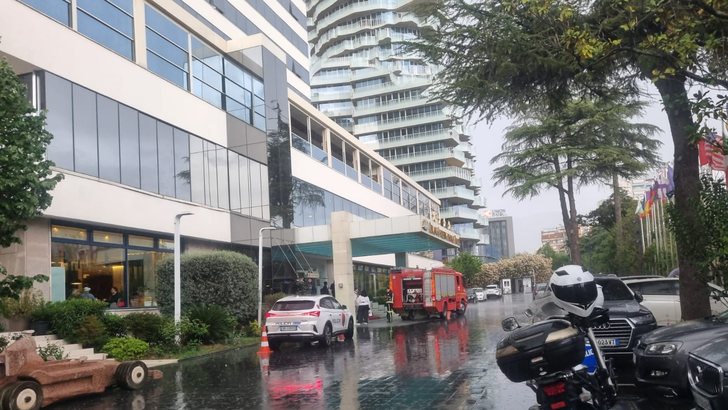
Vetëm një vit më pas, ai ndërton një tjetër kompani që sot posedon hotelin në qendër të Tiranës, “Oxford Hotel”, dhe kjo në listën e objekteve të sekuestruara nga prokuroria.
Në 6 vite, Pepa ndërtoi 5 kompani si dhe u bë zotëruesi i 33.3% të aksioneve të ndërtimit të një hidrocentrali.
Në vitin 2021, si pasojë e një aksidenti Urim Pepa ndërron jetë dhe kompanitë kalojnë në pronësi të fëmijëve të tij.
Në njoftim zyrtar, prokuroria nuk bëri të ditur lidhjet e kompanive të sekuestruara me personin për të cilin ka ngritur akuzat që kanë të bëjnë me trafikun ndërkombëtar të lëndëve narkotike dhe krijimin e grupit të strukturuar kriminal. Por themeluesi i këtyre kompanive rezulton të jetë vëllai i Jetmir Pepës, i cili është shpallur në kërkim në kuadër të operacionit të zhvilluar mëngjesin e 15 prillit 2026.
Por ndërsa për prokurorinë e posaçme burimi i të ardhurave të këtyre kompanive lidhet me aktivitetin ilegal, kompanitë Pepa rezultojnë ndër më të suksesshmet në sektorin e investimeve në Shqipëri.
“Pepa Group” është një nga subjektet që ka marrë pjesë në kontratat publike të programit të Rindërtimit pas tërmetit të 26 nëntorit 2019.
According to official data and public transaction records consulted by "spendingdata.al", the company has started to benefit from state tenders since 2015. In the period 2015–2018, "Pepa Group" has collected around 11.6 million lek from public contracts with state institutions, while in the following years it has recorded a significant increase in the volume of funds received.
In the period 2019–2023, the company has benefited from around 762.3 million lek from public tenders, where around a third of this value, approximately 224 million lek, turns out to have been received from the Municipality of Tirana and its subordinate institutions.
Also, "Pepa Group" is part of the consortium of economic operators that have won important contracts within the framework of the Reconstruction program, including projects in the "5 Maji" area in Tirana, worth hundreds of millions of lek, as well as other projects of the Albanian Development Fund for the construction of housing damaged by the earthquake.
“Pepa Group” has been involved in a large number of public procedures, especially in the construction of schools and infrastructure facilities in Tirana and other cities. Among the main projects are schools such as “Kosova”, “Pjetër Budi”, as well as schools in Sukth of Durrës and in Fushë-Arrëz, where the company has won contracts with values ranging from hundreds of thousands to several million euros, often after procedures where a significant part of the operators were disqualified during the competition./ shtet.org