Protests, violence, curfews: From France to Albania, why Europe'...
/ 2026-10-20 23:47:20Focus


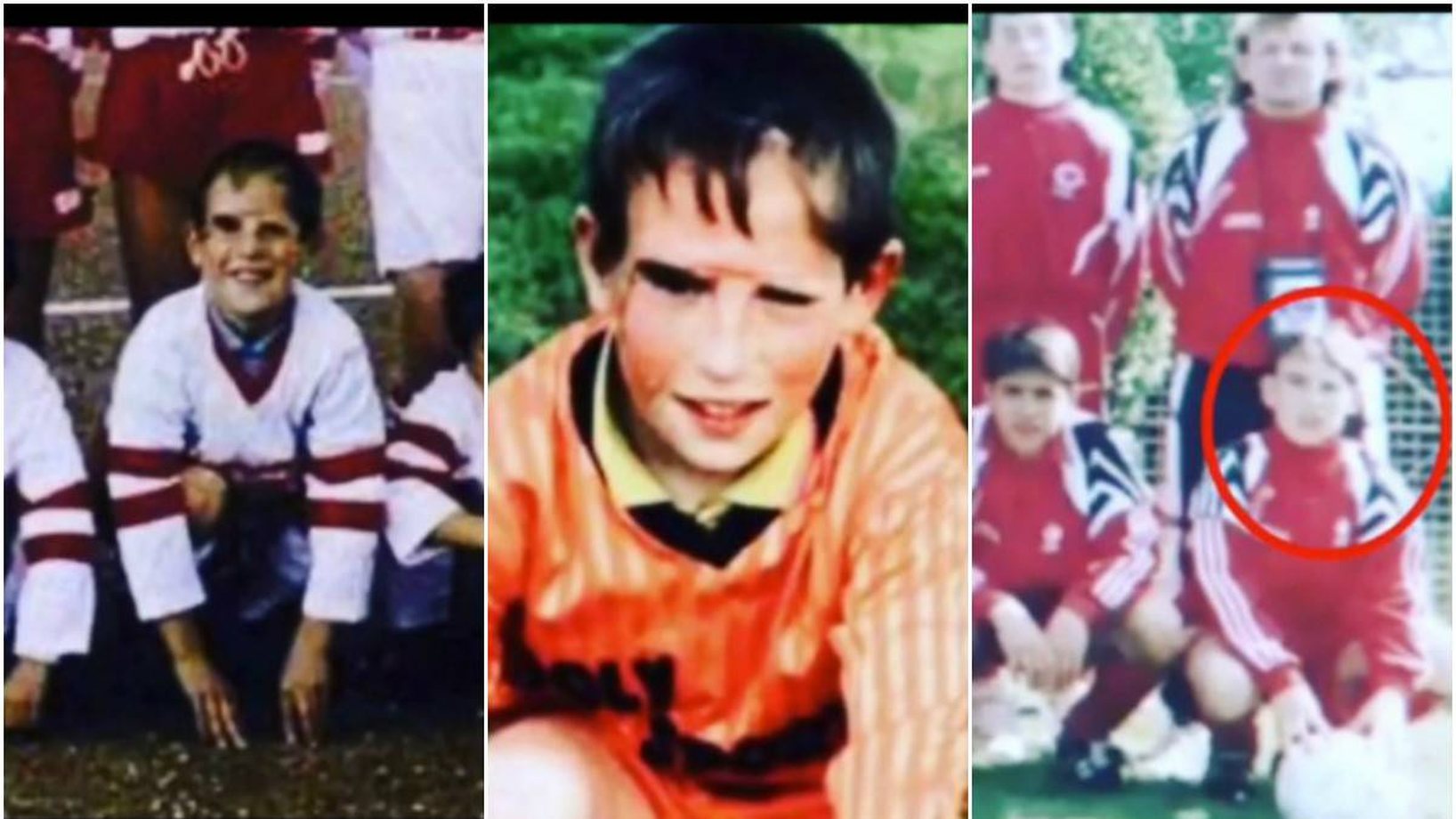
It was the "monster" of the monastery. People made fun of him, they called him Quasimodo. His response was to remain silent and cry in a corner where no one could see him. Franck Ribery already had more than a hundred stitches on his face and history.
A car accident had sent him to the brink of death at the age of 2. Previously, when he was born, his biological parents had abandoned him in the convent of nuns, who took him under their care. No one but him knew the skill or virtue he had: to play the ball better than anyone. He also had a tenacity that did not suit his small body.
He learned from the pain and roughness that life dealt him from a very early age. His life became a struggle, overcoming many obstacles. Three decades after his retirement, in 2013, UEFA declared him the best of all footballers in Europe.

Yes Yes; Ribery, that abandoned child turned universal football star, beat Lionel Messi and Cristiano Ronaldo. In between, between those brave days and a race of lights, he built himself up despite everything and everyone.
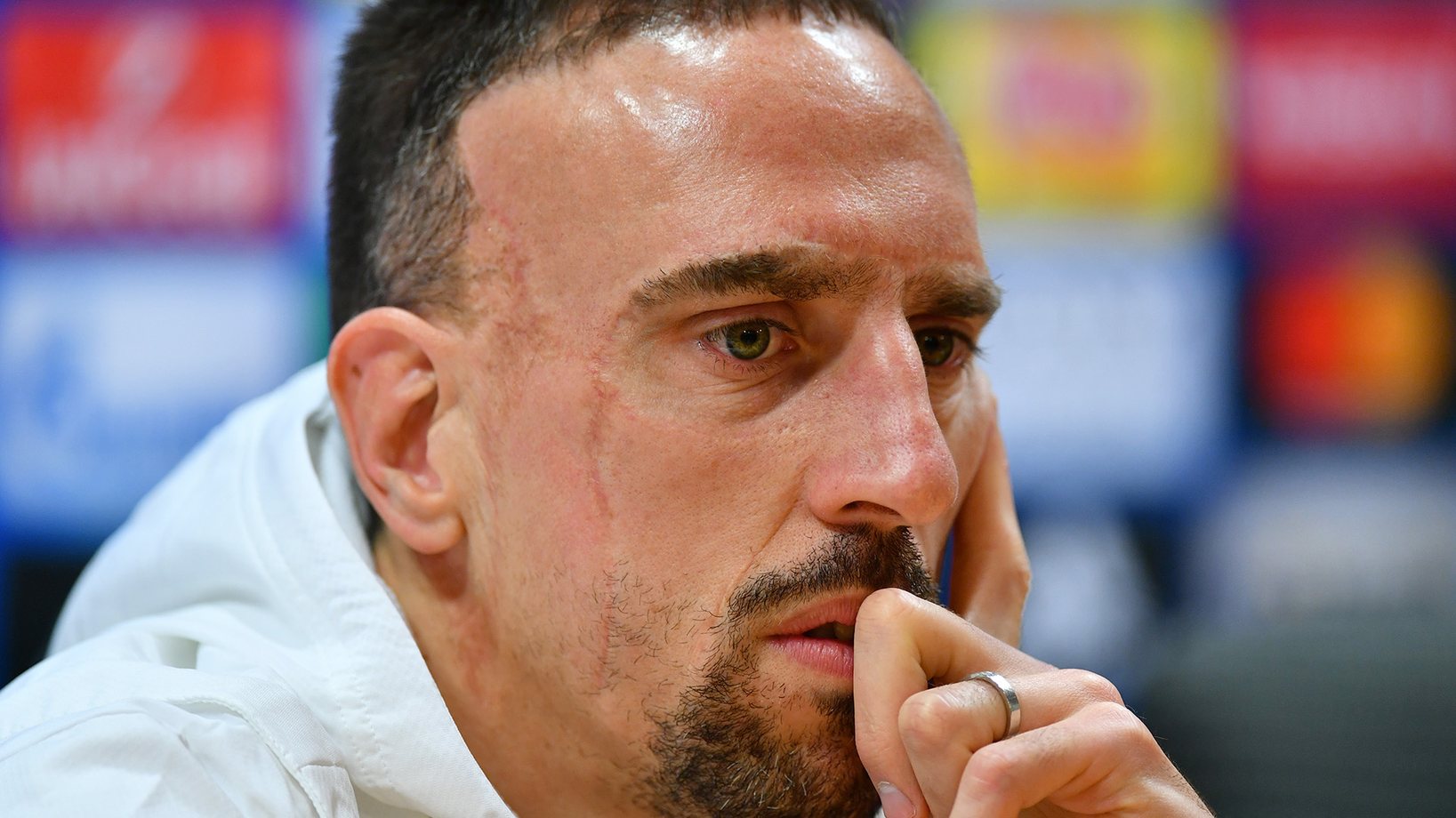
His face shows the severity he went through. That's why Ribery never wanted to do any of those plastic surgeries that tried to hide his tracks. He often says that those difficulties forged his personality.
Fate brought about his inevitable nickname: the year of his birth, 1983, corresponded to the production of "Scarface", the film directed by Brian De Palma, starring Al Pacino. And now, the football world also knows Ribery by that name born from his injuries.
In childhood he was a despised monster; later the superstar of Bayern Munich and the French national team, destroying anyone who got in front of him in football. As a footballer, he became an unstoppable monster for any opposing defense.
He was expelled from the monastery for indiscipline. Ribery wanted to "fly" free, anyway. He preferred to play football in the unguarded streets of Boulogne-sur-Mer, in northern France. Another matter of luck; he could not have been born anywhere else in France.

The region of Pas de Calais, as portrayed in the film "Welcome to the Land of Madness", is a place of magical realism, of misunderstood superheroes, of precious madmen. And there, in those days when professional football seemed like an unbearable distance, Ribery worked as a bricklayer for little money. He was building the present, but above all the future.
Ribery took his first steps as a footballer at Union Sportive de Boulogne Côte d'Opal, his neighborhood team. That different start was taking him away from bricks and cement. He played two years at that club, then went through Alès, Brest and Metz without any surprise. In 2004, he moved to Turkey, with the Galatasaray shirt. He made his first major leap the following year, as he was recruited by Olympique de Marseille.
There he distinguished himself and was called up for the first time to the national team of his country, with which he is the runner-up of the World Cup in Germany. After two good seasons, he found his best team in the world: Bayern Munich. Ribery arrived there in 2007 and since then he has not stopped winning and being decisive. Won 11 titles in 6 years with the Bavarians, including the European Super Cup against Chelsea yesterday, the historic treble (Champions League, Bundesliga, German Cup).
There is a key character in Franck's life: his wife, Wahiba Belhami. Journalist Alvaro del Río wrote in the last few days in the newspaper "La Razón" of Spain: "Without him, the future of Franck Ribery would have been written in other colors. The sports career of the turbulent French footballer would surely have taken other paths. And it could even have derailed.
Vahiba, his wife, is not only the first and most loyal follower. Also, it is the necessary pillar of the former player. They have known each other since their difficult teenage days in Boulogne. Out of love, he converted to the Muslim religion and even changed his name: for Islam he is Bilal Yusuf Muhammad.
Out of love, she forgave him a betrayal that turned into a scandal and even constitutes the axis of the book that narrates the private life of the footballer. We will never forget the inspirational story of the great Franck Ribery.
The former French footballer confessed his difficult life, especially in childhood, in an interview with "Canal+ Sport". In this interview, he revealed how he had dealt with pain since the early years of his life.
Ribery suffered a serious head injury in a car accident when he was only two years old. He was rushed to the hospital and received 100 stitches in his head after the accident in his hometown.
According to reports, he was not wearing his seat belt and this caused him to collide with the car window. During his childhood, people would stare and point at Riberys in the street, saying his marks were ugly:
"People used to tell me: Look at his face, look at his head! What is that sign? It's ugly! Everywhere I went, people stared at me. They didn't look at me because I was a good person, because I was called Franck or because I was a good football player. They looked at me because of the mark on my face.
The sign gave me character and strength. Because when you are a child and you have such signs, it is not easy at all. The way people see you, their comments..., I know my family has suffered because of this.
The people talking about you are the parents of other children and that is a very evil thing. I never went to the corner of the room to cry, despite the great pain and suffering.
The problem was that I was sitting in the back seats of the car and went flying towards the window. In a way, the accident helped me. As a child it motivated me. God gave me this thing that distinguishes me from others. Signs are part of me and people should accept me as I am."

The life and career of Franck Ribery, telegraphically:
➜ His biological parents abandoned him at the door of a monastery when he was still a baby
➜ When he was only two years old, his head hit the windshield of a car in a very serious accident and he received 100 stitches. This left him with a strong scar, which would mark his personality and inner strength in the future
➜ He made his debut at Boulogne in 2001. After several clubs, he arrived at Marseille in 2005, where he was voted youth MVP, "goal of the year" and part of the ideal XI
➜ He played in the 2006 World Cup and was one of the best players for the French runners-up
➜ The highlight of his career was signing for Bayern Munich, where he became an idol. In 12 consecutive seasons, he won 9 Bundesliga, 7 German Cups, 5 German Super Cups, a Champions League, a European Super Cup and a Club World Cup
➜ He "retired" from Salernitana at the age of 39, while today he is part of the coaching staff of the Italian team.