How Belinda Balluku is fabricating the rumor about Top Channel's...
/ 2026-10-19 16:19:00Focus


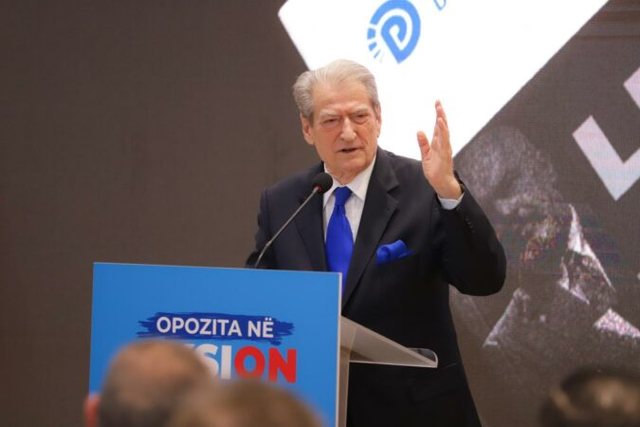
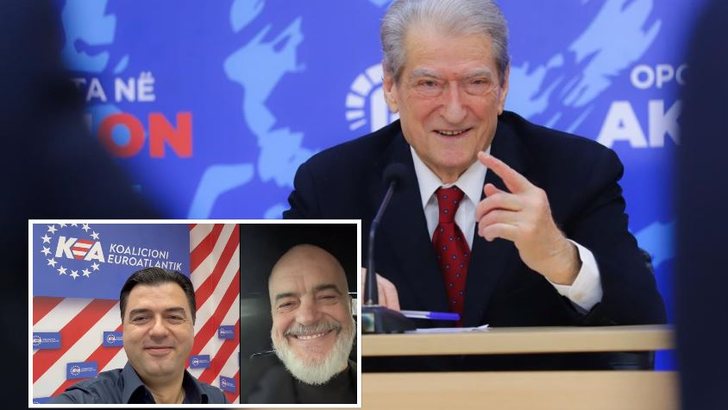
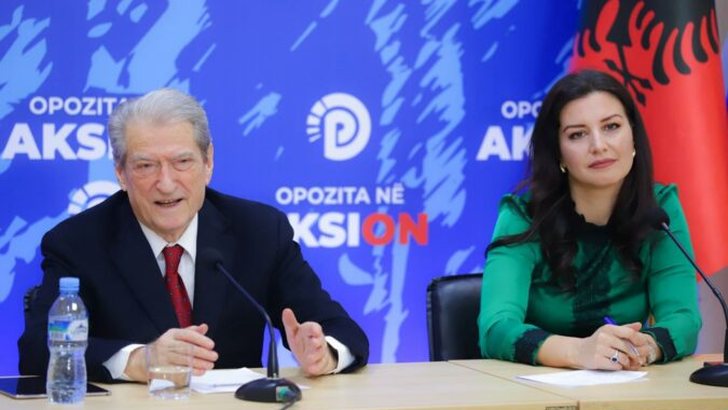
The leader of the Democratic Party, Sali Berisha, spoke today about the political situation in Albania, while calling on Albanian citizens to vote for "DP-Alliance for a Greater Albania" in the May 1 parliamentary elections.
"We are experiencing a dictatorship that Europe has never known before," said Berisha, as he vowed that with the DP coming to power, he would realize the project of a Greater Albania for every Albanian.
"Today we are here for their book 'Black Jobs'. They have chosen a very well-deserved title. They have chosen perhaps the only title that this subject, this theme, this issue deserved. Dictatorships deserve only black books. We here in Albania have fallen into a double disaster.
"First, in a dictatorship. Second, in a dictatorship, which Europe has never had. Our continent has known all forms of dictatorships. It has known theocratic dictatorships in its Middle Ages and later. It has known Nazi, communist dictatorships, it has also known military juntas," said Berisha at the presentation of the book "The Black Book of the Renaissance."
Sali Berisha: Today we are here for their book 'Black Jobs'. They have chosen a very well-deserved title. They have chosen perhaps the only title that this subject, this theme, this issue deserved. Dictatorships only deserve black books. We here in Albania have fallen into a double disaster.
First, in a dictatorship. Second, in a dictatorship, which Europe has never had. Our continent has known all forms of dictatorships. It has known theocratic dictatorships in its Middle Ages and later. It has known Nazi dictatorships, communist dictatorships, it has also known military juntas.
But it has not known the dictatorships of gangs, drugs, or crime.
When 20 years ago I was reading Samuel Huntington, a book of his about dictatorships, I found there that he wrote that the darkest form of dictatorship, darker than Nazi, communist or junta dictatorships, is the dictatorship of gangs, the dictatorship of drugs. And he gave his arguments.
I never thought that a day would come when we would face such a dictatorship in Albania. Our difficulty is great because this type of regime is not known in Europe. In Europe, talking about communist, Nazi, but also theocratic dictatorships has a memory. But Europe has nothing recorded about the dictatorships of gangs, of drugs.
The dictator of Tirana, who we must never forget to say, is a direct descendant of an executioner of the communist dictatorship, who signed, alongside Ramiz Ali's signature, to hang an enlightened poet, an extraordinary poet like Havzi Nela.
Kristaq Rama was a sculptor, he was educated, he was an intellectual. But he was a criminal sculptor, a criminal intellectual, and that's why he signed.
He had complete intolerance towards free speech, towards dissent, just like Edi Rama, the same intolerance towards the opposition, towards TikTok.
So, we have a dictator who, outside of Albania, sometimes appears as a comedian, wearing white sneakers, showing off his skills, and talking about sports.
Meanwhile, inside, he respects no law, not even the Constitution.
He, like Tunisia's Zayed, arrests the three leaders of the main opposition parties. He takes mandates from the courts. He uses the political prosecution as a weapon in his hands.
So, these are our great difficulties, but still, these boys and girls and we together have chosen to fight, we have chosen to stand because these are the most bitter truths for Albanians, but they are bitter truths for Europe as well.
So seen in this context, this book takes on extraordinary value. This book, compiled by distinguished intellectuals living in free countries, has a very great advantage in its analysis, in its vocabulary, in its presentation.
One could indeed say that it is propaganda. It is all based on truth.
It is truly the autopsy of this 12-year regime that destroyed our national fabric more than any war, more than any invader, more than any previous dictatorship.