Is this police force professional and capable of handling violen...
/ 2026-10-16 18:54:07Focus


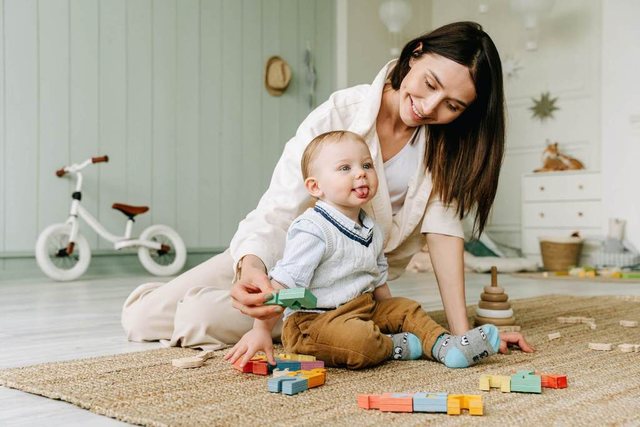
Science is shedding new light on the complex link between motherhood and longevity. A recent study from the University of Helsinki suggests that the number of children and the timing of their births leave a permanent mark on the body's biological aging.
According to the study, our body has limited energy resources and the large investment in the reproduction process can reduce the energy needed for cell repair, thus accelerating the natural process of aging and tissue degradation.
Regarding the main findings of this extensive research, women with 2-3 children showed the lowest signs of biological aging and a lower risk of mortality, while those with a high number of children, averaging up to 6 or 8, had significantly poorer results in terms of longevity.
The study also noted that women who had never given birth also experienced faster biological aging, which could be linked to existing medical conditions that affect both fertility and overall health.
On the other hand, the most favorable period for pregnancies was the time window between the ages of 24 and 38. Epigeneticist Miina Ollikainen explains that these life history choices leave epigenetic traces that can be measured long before old age, scientifically proving that the body remembers the physical and metabolic strain of reproduction.
This study was quite detailed as it analyzed data from over 14,000 twin women, helping researchers eliminate the influence of genetic factors and focus on the influence of lifestyle and reproduction.
However, researchers emphasize that these statistical data should in no way be seen as a definitive medical guide for individuals, as life expectancy is influenced by a number of other major factors such as genetics, diet, alcohol consumption, and physical activity.
This innovative discovery serves more to inform public health strategies and understand the mechanisms of human evolution, rather than to dictate women's personal plans to start families.
The emotional, social, and psychological benefits of parenting remain equally important for overall well-being and may balance the biological costs observed in the laboratory.
Ultimately, aging is a complex process where biology and environment intertwine, so beyond cold scientific statistics, every woman must evaluate her personal desires.