"Condemned" protesters?! Who trapped Rama inside the Prime Minis...
/ 2026-10-23 16:02:00Focus


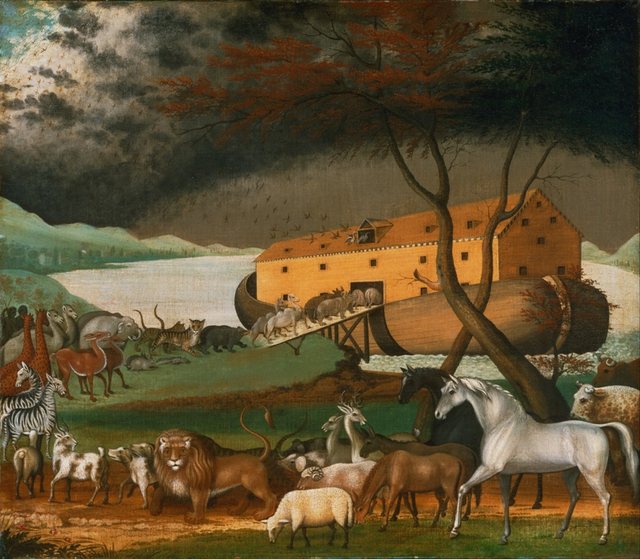
Scientists have deciphered the world's oldest map and they believe it may lead them to the location of Noah's Ark.
The 3,000-year-old Babylonian artifact has puzzled archaeologists for centuries, but in recent weeks, experts have discovered the meaning.
The clay tablet was discovered in the Middle East before being acquired by the British Museum in 1882.
Since their discovery, experts have been trying to decipher what the map-like symbols carved into the artifact might mean.
They have several cuneiform paragraphs on the back and above the map diagram describing the creation of the Earth and what existed beyond it.
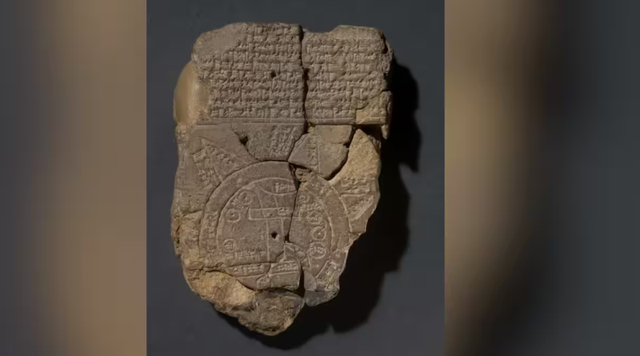
The carvings have been called "Imago Mundi" by scientists who say it shows Ancient Mesopotamia, now known as present-day Iraq, surrounded by the "Bitter River".
But after more than a month of analyzing the symbols on these tablets, researchers believe they are clear references to stories in the Bible.
They claim that the back of the artifact acts as a secret key to tell travelers the route they will take and what to watch out for along the way.
In one passage it is said that those on the journey must travel "seven leagues to see something that is as thick as a parsiktu vessel".
The word "parsiktu" is meant to help explain the size of a ship needed to survive the Great Flood, based on other ancient Babylonian writings.
Another passage is believed to show a route and directions to "Urartu", a place believed to be where a man and his family landed a giant ark they made, according to ancient Mesopotamian poems - most often referred to like Noah's Ark.
Urartu, also known as Ararat, is on top of a mountain in Turkey and researchers say it is said to be where the ark landed after the 150-day flood.
This shows that the story was the same, and of course one led to the other, but also, that from the Babylonian point of view, this was a real issue.
The biblical story of Noah's Ark closely follows the Babylonian version. In the Babylonian version, the god Ea sent a flood on Earth to destroy all of humanity except for one family.
Utnapishtim built a large ark after being ordered and filled it with animals.
The six months that followed had terrible floods that only Utnapishtim, his family and all the animals in the ark survived.
With the end of the floods, they settled safely on one of the peaks of Urartu.