How Belinda Balluku is fabricating the rumor about Top Channel's...
/ 2026-10-19 16:19:00Focus


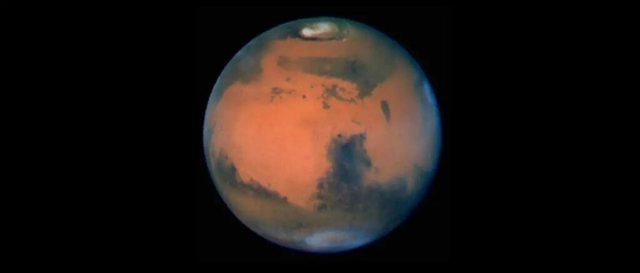
Mars was once habitable, and now it's backed by evidence. The discovery was made by scientists at the University of Calgary in Canada, who analyzed data sent back by NASA's Curiosity rover, from samples taken in Gale Crater.
The news was announced by the prestigious American magazine Science, which announced this important discovery on its cover.
It is believed that there was once a lake in this crater. From several years of data analysis, scientists concluded that there are various carbonates on Mars, but what is most important is the presence of siderite or iron carbonate that has a high content of magnesium sulfate in its interior.
According to scientists, the presence of carbonate layers indicates that the atmosphere of Mars once contained carbon dioxide, just like on Earth. The carbonate layers were created as a result of chemical processes involving the absorption of carbon dioxide by the water of Gale Crater Lake and occasional evaporation.
This carbon cycle is very important for the development of life, just like on Earth. Mars is thought to have been habitable 3.9 billion years ago.