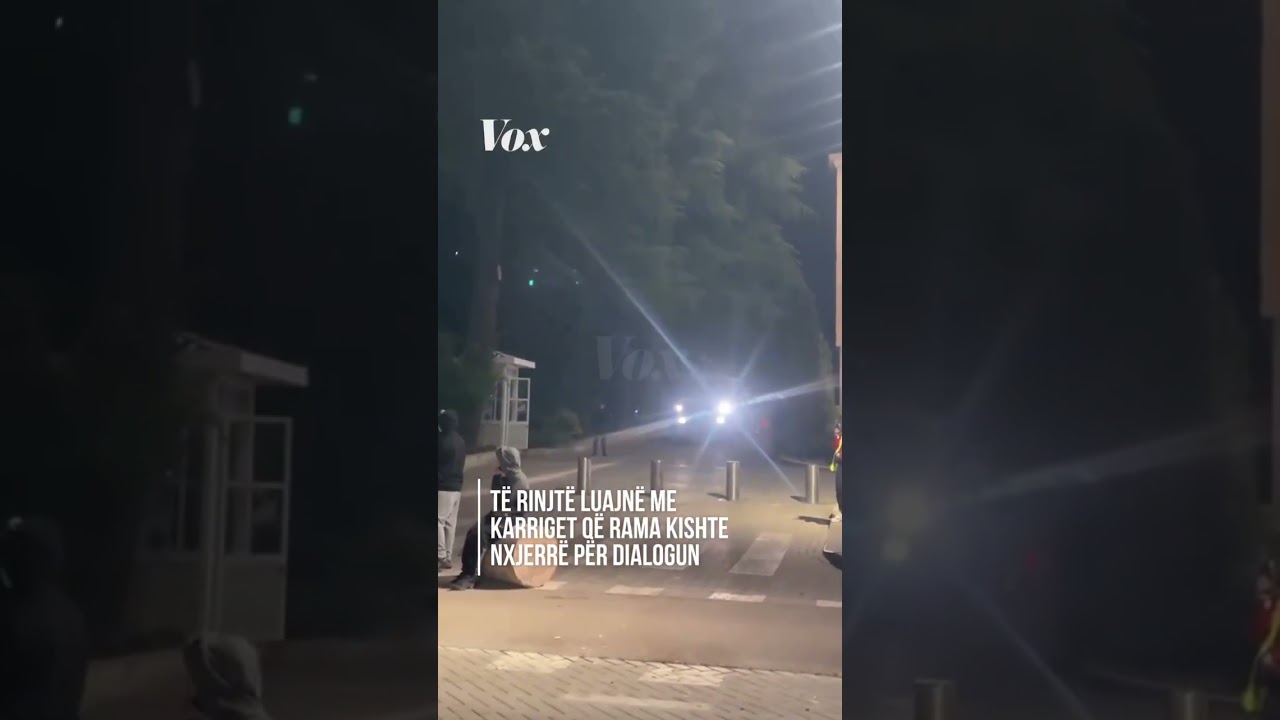
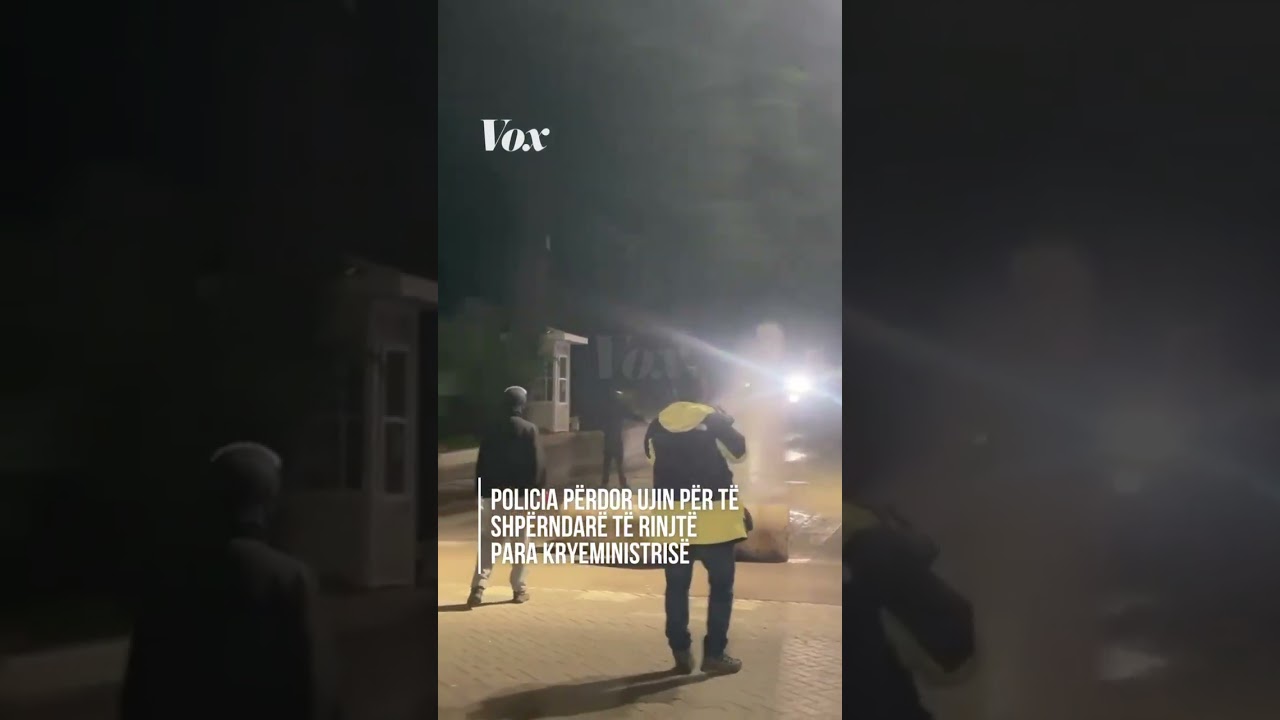
"Condemned" protesters?! Who trapped Rama inside the Prime Minis...
/ 2026-10-23 16:02:00Focus


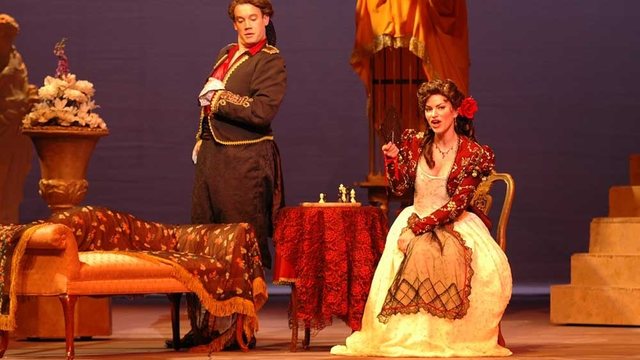
Italian opera or lyrical song is declared a Cultural Heritage of Humanity by Unesco.
After the request and a long work, another excellence of Italy, receives the officially deserved title, on the list of intangible world heritage.
Despite the fact that many nations have a long and excellent tradition in this genre, opera was born and raised in Italy, which is still today the country with the most opera houses in the world, namely 62, and which has always been universally considered "the homeland of her".
It was born in the late 16th and early 17th century by a group of Florentine intellectuals, who decided to create a new genre of music. Then, it saw a great expansion in the Baroque era, mainly in Venice, Naples and Rome.
Initially, it was considered a spectacle for the royal courts and then for the intellectual elite and the aristocratic class.
Today, the oldest opera house still in operation in the world is "San Carlo" of Naples, built in 1737, followed by "La Scala" of Milan, which opened its doors in 1778, and that of Venice, "La fenice", 1792 .