


"Condemned" protesters?! Who trapped Rama inside the Prime Minis...
/ 2026-10-23 16:02:00Focus


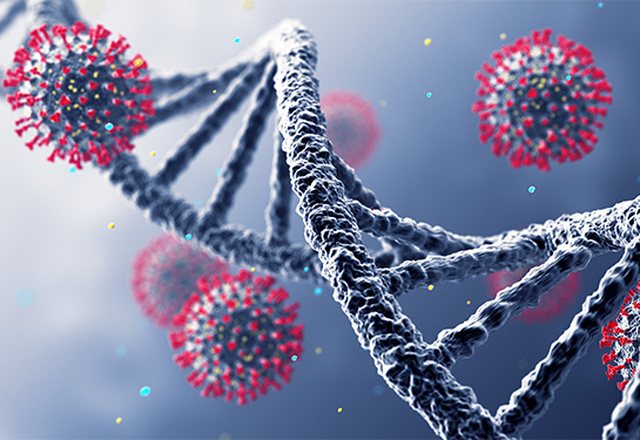
How long does the coronavirus stay in the body?
Although it is a transient respiratory infection, the symptoms do not disappear immediately in many patients, the Long Covid syndrome, which can be explained by the latest scientific findings.
According to a new study by researchers at the University of California, San Francisco (UCSF), the virus is still in the body of patients for more than a year after the end of the acute phase of the disease. In particular, fragments of the virus, antigens of COVID remained in the blood for up to 14 months after infection and in the tissues of patients for more than two years.
"Our findings, from two studies, provide some of the strongest evidence yet that COVID antigens can persist in some people, even though we believe they have normal immune responses," said Dr. Michael Peluso, an infectious disease researcher at the UCSF School of Medicine, who led both studies, which were presented at the Conference on Retroviruses and Opportunistic Infections in Denver (March 3-6).
For the first study, the researchers focused on blood samples from 171 people infected with the coronavirus. Using an ultra-sensitive test to detect the virus's protein, which helps it enter human cells, scientists found the virus was still present up to 14 months later in some people.
However, one factor increased the odds: among people who had been hospitalized, the probability of detecting COVID antigens was about twice as high as among people who had not been hospitalized. Similarly, the odds were higher for those who became seriously ill but were not hospitalized.
"As a clinician, these correlations convince me that we have identified something important, because it makes sense that someone who had been more severely ill would accumulate more antigens in the body," notes Dr. Peluso.
In the research team's second study, the researchers turned their attention to tissue studies, specifically samples from the UCSF Long-Term COVID Tissue Bank, which contains samples donated by healthy individuals and patients with long-term Covid. . Aiming to find out how long the virus lingers in tissue, they were able to detect parts of the viral RNA up to two years after the initial infection, although there was no evidence of re-infection. The research team found the virus in the connective tissue where immune cells are based, suggesting that parts of the virus were causing the immune system to attack. In fact, in some of the samples, the researchers found that the virus may be active.
Dr. Peluso concludes that further studies are needed to verify whether the persistence of these parts of the virus leads to long-term COVID and related risks such as heart attack and stroke.


