Is this police force professional and capable of handling violen...
/ 2026-10-16 18:54:07Focus


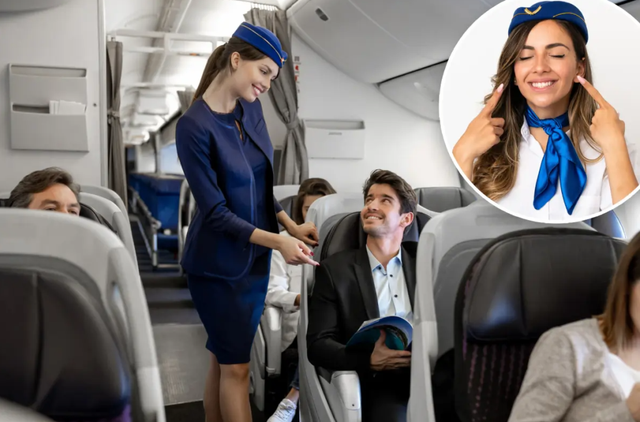
The eyes play an important role in nonverbal communication and the interpretation of emotions. Experts in this field are not only profilers, psychiatrists and researchers, but also flight attendants.
The departure for the Austrian Airlines flight on the A320 has begun. Nadine Wetter is the head of the cabin crew. She greets the first passengers: "Hello, welcome! Do you know where you should sit?" First, she carefully looks each of the 180 passengers in the face.
Looking at flight attendants: what information can be read from the first eye contact? Is the person angry? Has he used alcohol or drugs? Or is it just a simple fear of flying?
"When I notice a passenger who is aggressive while boarding the plane, for example, we approach them again to properly assess the situation," says Wetter, who is responsible for safety, service and cabin crew management on the flight. "Then we have to decide relatively quickly: can this passenger fly or, in the worst case, should we remove them from the plane?"
A quick assessment in a few seconds
What our eyes do is truly incredible. Our eyes help us recognize shapes, colors, and movements, orient ourselves in space, and evaluate people and situations.
A person's mental state can be assessed quite well through careful eye contact, confirms Professor Leonhard Schilbach, psychiatrist, human interaction researcher and chief physician at the LVR clinic in Düsseldorf.
In the ARD public health documentary "My Body. My Eyes," the scientist explains that our "scanning vision" is actually based on neurobiology. "Brain regions react within milliseconds, so the first assessment is formed in an instant."
Eye reading is not the same as profiling
In addition to training in crisis situations, self-defense, first aid, and hospitality, this practiced "scanning vision" is one of the most important skills for flight attendants. However, this visual "superpower" should not be confused with the professional reading of facial expressions used in psychotherapy or FBI profiling.
"However, experienced flight attendants develop an unerring sense of specific boarding situations over the years," explains Alexander Ziss, communications manager at the Lufthansa Aviation Training center.
The center in Munich trains pilots and cabin crew for all airlines in the Lufthansa Group, which has included Austrian Airlines since 2009.
Eye contact
Me më shumë se 20 vjet përvojë në fluturim, Nadine Wetter punon gjithashtu si instruktore e ekuipazhit të kabinës. Në seminaret e saj, ajo shpjegon se sytë jo vetëm që shërbejnë si skaner, por edhe si një mjet kyç për komunikim brenda ekipit të fluturimit.
Puna brenda në lartësi deri në 12,000 metra paraqet sfida të veçanta. Për më shumë se 2,500 asistentë fluturimi në Austrian Airlines, komunikimi joverbal është për këtë arsye thelbësor.
"Ne jemi të trajnuar për të zgjidhur një situatë sa më shpejt të jetë e mundur dhe e dimë se mund të mbështetemi te njëri-tjetri 100 për qind në çdo kohë, edhe nëse nuk e njohim fare njëri-tjetrin", thotë Wetter. Puna në grup dhe qetësia janë thelbësore, veçanërisht kur situata bëhet stresuese. "Nëse të zë paniku, nuk mund ta hapësh derën dhe të dalësh jashtë."
Kontrollimi i shprehjeve të fytyrës dhe gjesteve është çelësi
"E tëra çfarë duhet është një rrotullim i pavetëdijshëm i syve –pasagjeri do ta vërë re dhe ai gjest i vetëm mund të shkaktojë konflikt”, thotë ky instruktor. Kjo është arsyeja pse është jashtëzakonisht e rëndësishme të kontrolloni shprehjet dhe lëvizjet tuaja të fytyrës.
Rregullat e arta janë: mbajini krahët të relaksuar, kurrë mos i kryqëzoni; mbani një pozicion të hapur të trupit, mos u mbështetni askund dhe gjithmonë mbani kontakt me sy si me kolegët ashtu edhe me pasagjerët.
Sinkronizimi i valëve të trurit
Sytë tanë kanë një rol të dyfishtë - ata marrin dhe dërgojnë sinjale, prandaj janë një pjesë kyçe e komunikimit njerëzor. Përmes shikimit tonë, ne thithim informacionin vizual, por në të njëjtën kohë dërgojmë sinjale sociale dhe fillojmë ndërveprimin.
Leonhard Schilbach shpjegon se çfarë ndodh në tru në këto momente: "Në të ashtuquajturin rrjet mentalizimi, i cili na ndihmon të vendosim veten në vendin e njerëzve të tjerë, të njëjtat rrjete në trurin e të dy njerëzve që komunikojnë janë të lidhura neurofunksionalisht."
Ky fenomen quhet komunikim ndërcerebral dhe është më i theksuar gjatë të luajturit muzikë, puthjes ose shahut së bashku.
"Ky proces zhvillohet kryesisht në mënyrë të pavetëdijshme", thotë psikiatri dhe neuroshkencëtari. Për fat të mirë, aftësia për të parë një situatë nga perspektiva e një personi tjetër mund të stërvitet, ashtu si leximi i sinjaleve joverbale.
Sytë dhe empatia - baza e punës së fluturimit
Të dyja këto procese shkaktohen nga rrjeti i mentalizimit i lartpërmendur. "Është interesante që aktivizohet automatikisht sapo i kushtojmë vëmendje shikimit të dikujt. Truri ynë social më pas përpiqet të kuptojë se çfarë po ndodh brenda atij personi, çfarë po mendon dhe çfarë i ka tërhequr vëmendjen”, shpjegon Schilbach.
Kjo aftësi është jetike për ekuipazhin e kabinës. Gjatë një fluturimi, Wetter ecën nëpër kabinë dhe vëzhgon fytyrat e pasagjerëve. "Kështu e njoh unë shqetësimin, britmat e fshehura për ndihmë ose frikën. Shumë pasagjerë pranojnë hapur se kanë frikë nga fluturimi dhe kërkojnë ndihmë”, thotë ajo.
In such situations, the head of the cabin crew always finds time to have a "one-on-one" conversation. Empathy is essential here. When she talks to the passengers, she can feel exactly how her inner peace is transmitted to them.
A window into someone else's soul
"It's interesting that the eyes can really be a window into someone else's soul," says Schilbach. "With her reaction, Nadine lets the passengers know that she sees them and understands how they feel."
This skill is invaluable when it comes to coping with fear, the psychiatrist emphasizes based on his extensive clinical experience. "People feel more confident when they see that someone understands what they're going through and asks them how they're doing. It has a very calming effect."
Nadine Wetter herself confirms that "looking at the scanner" on a flight only works if it is combined with real empathy. "When I get off the plane, passengers often come up to me to thank me. They say that it was very important to them that I radiated calm and instilled a sense of security."/ DW