Details of the storm in the administration, here's who will resi...
/ 2026-10-22 22:25:00Focus


After the Israeli military announced the killing of Hezbollah leader Hassan Nasrallah during the September 27 attack, Iran has requested an emergency meeting of the UN Security Council.
Through a letter, Iranian ambassador Amir Saeid Iravani asked "to take immediate and decisive measures to stop Israeli aggression and prevent a new war in the region."
"Iran will not hesitate to exercise its inherent rights under international law to take any measure in defense of its vital national and security interests," Iravani said.
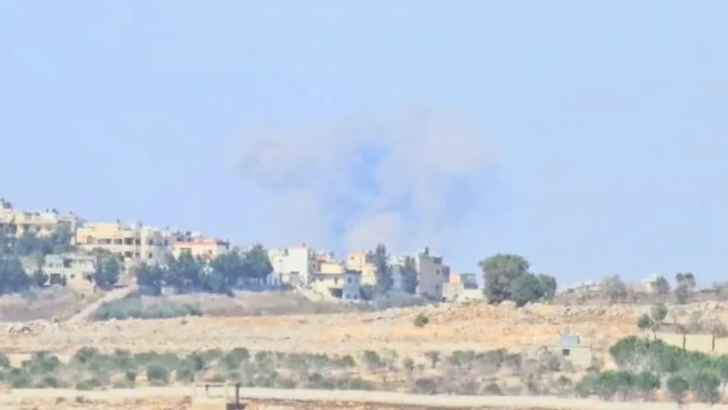
Meanwhile, the media reports on dozens of new Israeli strikes against Hezbollah targets in Lebanon.
Israeli Prime Minister Benjamin Netanyahu reacted to Nasrallah's assassination, calling it a showdown. After returning from a speech at the United Nations in New York, Netanyahu said Nasrallah's killing was a historic turning point that could change the balance of power in the Middle East.
"We have settled accounts with those responsible for killing a large number of Israelis and many citizens of other countries, including hundreds of Americans and dozens of French," Prime Minister Netanyahu said.
Nasrallah's assassination came just a week after Israel's deadly explosion of hundreds of pagers. This attack has eliminated half of Hezbollah's ruling council and destroyed its high military command.
Who was Hassan Nasrallah?
Hassan Nasrallah, has led the Lebanese militant group for the past three decades and transformed it into one of the most powerful paramilitary groups in the Middle East. Under the leadership of 64-year-old Nasrallah, Hezbollah has fought against Israel and participated in the conflict in neighboring Syria, helping President Bashar Assad.
Seen by his supporters as a charismatic and shrewd strategist, Nasrallah transformed Hezbollah into a key enemy of Israel, cementing alliances with Shiite religious leaders in Iran and Palestinian militant groups such as Hamas.
A fiery orator seen as an extremist in the US and much of the West, he was also considered a pragmatist compared to the fiery militants who dominated Hezbollah after its founding in 1982, during Lebanon's civil war.
Despite the power he wielded, Nasrallah has lived largely in hiding in recent years for fear of an Israeli assassination attempt. Born in 1960 to a poor Shiite family in Beirut's impoverished northern suburb of Sharshabouk, Nasrallah later moved to southern Lebanon. He studied theology and joined the Amal movement, a Shia political and paramilitary organization, before becoming one of the founders of Hezbollah.