Is this police force professional and capable of handling violen...
/ 2026-10-16 18:54:07Focus


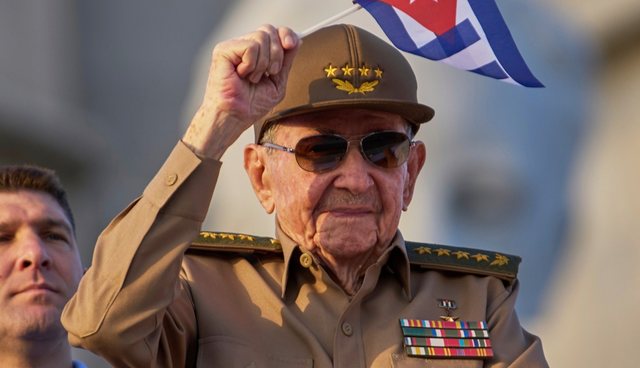
An unusual development in relations between the United States and Cuba is preparing to enter its most tense phase in decades, as the US Department of Justice is expected to announce an indictment against former Cuban leader Raúl Castro for murder related to the 1996 incident over the Caribbean Sea.
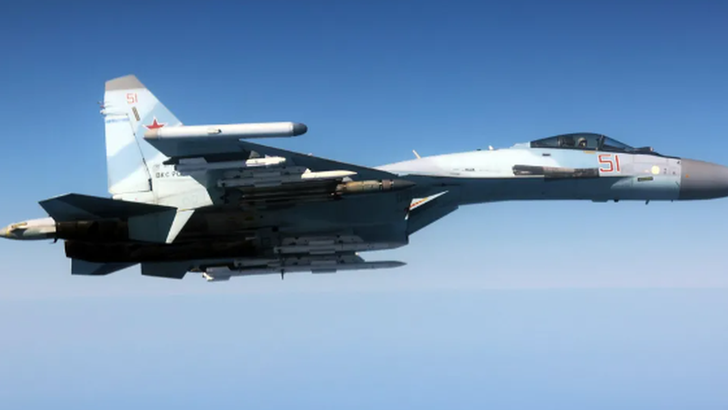
According to reports, the main basis of the case is an 11-minute audio recording that allegedly contains a direct order to shoot down two civilian aircraft belonging to the organization “Brothers to the Rescue” that were flying near Cuban airspace. Three American citizens were killed in the incident.
The event, which occurred on February 24, 1996, has long been one of the most sensitive points in US-Cuba relations and has directly influenced the strengthening of the US embargo on Havana.
According to declassified materials and sources cited by US lawmakers, the audio allegedly contains a voice attributed to Raúl Castro, speaking of instructions to Cuban military pilots to shoot down planes when they enter Cuban airspace.
However, US intelligence documents themselves have always had reservations about the authenticity of the voice, considering it "impossible to confirm with absolute certainty", even though the material was preserved and analyzed for decades.
The reopening of the case comes at a politically charged moment, with the active involvement of US lawmakers, including Congressman Mario Díaz-Balart, who has pushed the idea of prosecution and collaborated with the Department of Justice in building a legal strategy.
According to reports, the team of prosecutors has been working over the past year to structure an indictment that could be based on the charge of murder, an offense that does not have a statute of limitations in the US, giving the case a long-term legal and political dimension.
A symbolic event is expected to be held in Miami on the same day as the official announcement, in a place that has historical significance for the Cuban diaspora in the US, linking the issue not only to criminal justice, but also to the political memory of the exile community.
Analysts see this move as a new escalation in US policy towards Cuba, which could increase diplomatic and economic pressure on the regime in Havana and bring back into focus a conflict that has defined bilateral relations for more than half a century.
However, many legal and geopolitical questions remain open: from the validity of the audio evidence, to the international implications of an indictment of a historical figure of the Cuban state, and to the possible consequences for regional stability in the Caribbean.
At its core, the case is not just an attempted criminal prosecution, but a test of the boundaries between international justice, domestic American politics, and the frozen relations between Washington and Havana.