Details of the storm in the administration, here's who will resi...
/ 2026-10-22 22:25:00Focus


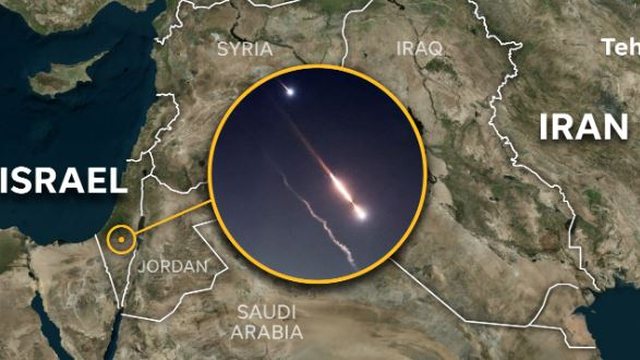
Israel and Iran have waged a "shadow war" for several decades, which manifests itself in various forms, including covert operations, regional engagements with proxies, long-range attacks, and cyberwarfare.
We bring you a detailed comparison of the Israeli and Iranian armies.

Iran has about eighty-eight million inhabitants and covers one million six hundred thousand square kilometers. Israel has about nine million inhabitants and covers twenty-two thousand square kilometers.
Iran has a huge numerical advantage: around six hundred and ten thousand active duty soldiers, three hundred and fifty thousand reservists, and two hundred and twenty thousand paramilitary forces.
Israel has one hundred and seventy thousand soldiers on active duty and up to four hundred and sixty-five thousand reservists.
However, Israeli forces have a significant advantage in training, experience, and technological equipment.
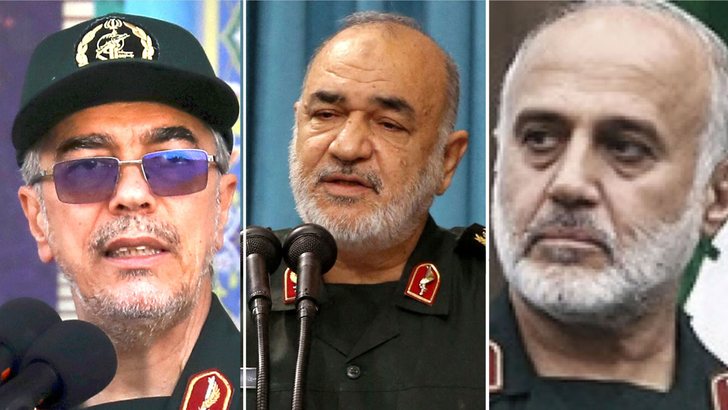
Iran divides its military into a regular army (Artesh) and a Revolutionary Guard Corps (IRGC), including the elite Quds Force, missile units, and cyber capabilities.
It relies on a strategy of asymmetric warfare and a network of intermediary organizations.
The Israel Defense Forces (IDF) have a unified command and are focused on rapid mobilization, integrated intelligence support, and advanced technology.
Israel has a systemic technological advantage.
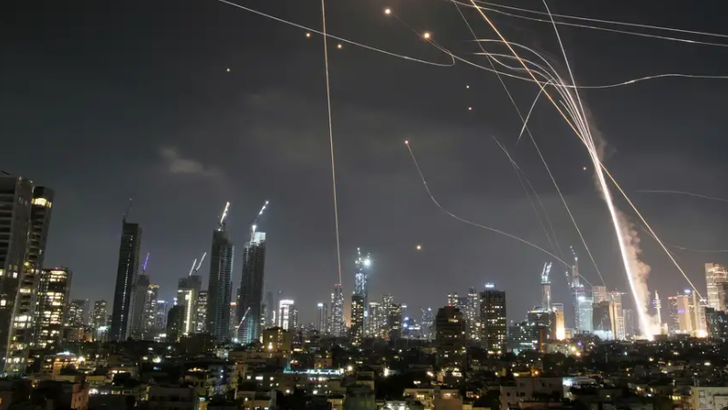
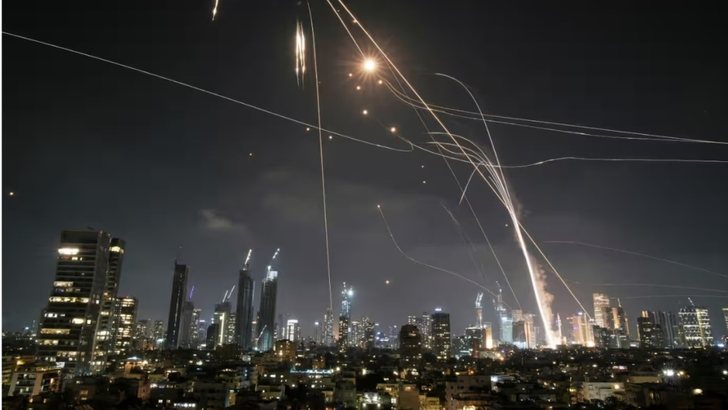
It has F-35 aircraft, advanced drones, modern Merkava tanks and the world's most developed network of Iron Dome, David's Sling, Arrow and Iron Beam missile defense systems.
Intelligence and cyber capabilities, particularly Unit 8200, are among the most sophisticated in the world.
Iran relies on its own production of missiles and drones.
It has the largest arsenal of ballistic missiles in the Middle East and mass-produces drones like the Shahed, which it exports to Russia and uses through intermediaries.
According to all available estimates, Israel has nuclear weapons, although it does not officially confirm it.
It has a secondary attack capability from land, air and submarines.
Iran currently has no operational nuclear weapons, but it has enough enriched uranium to build several missile warheads within a few months.
Iran manages a network of intermediaries - Hezbollah, Hamas, Houthis, militias in Iraq and Syria.
Israel does not use intermediaries, but relies on its own forces, intelligence operations, and precision military strikes.
Israeli forces are regularly engaged in real combat conditions and demonstrate a high level of readiness.
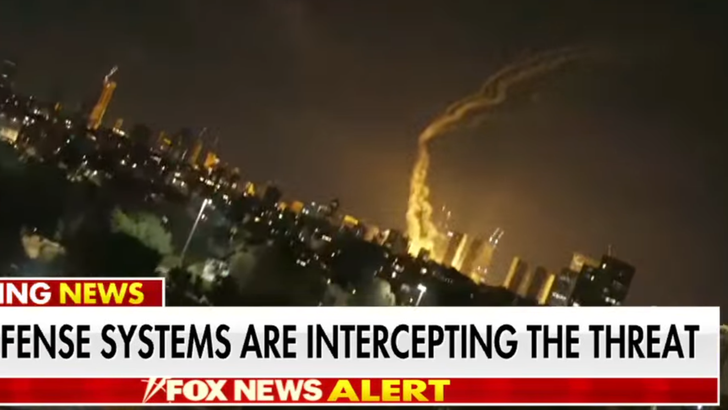
Missile defense systems have been proven to work, including during the Iranian attack in October last year.
Iran has modernized its forces, but lacks experience in modern conventional warfare. Its strategy relies on mediation and deterrence.
Alliances and international support
Israel: Strong alliance with the US, military aid and intelligence cooperation. Expands regional influence through the Abraham Accords.
Iran: Alliance with Russia and China, especially in the context of sanctions evasion and military technology. The main tool of regional influence is mediation.
Iran and Israel represent two completely different models of military power.
Iran has a numerical advantage and a strong intercontinental missile capability, while Israel has a highly technological, flexible, and combat-experienced military.
In a direct conflict, Israel's technological superiority and nuclear deterrence give it a clear advantage.
But Iran's asymmetric warfare capabilities ensure that any conflict will be protracted, complex, and costly for both sides.