Details of the storm in the administration, here's who will resi...
/ 2026-10-22 22:25:00Focus


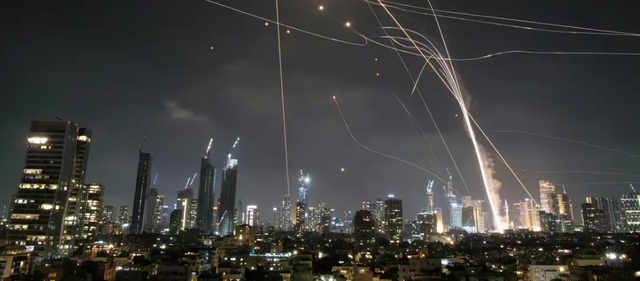
Calling the Middle East a powder keg seems like an understatement.
It is in this region that Israel under Prime Minister Benjamin Netanyahu has now thrown an explosive spark.
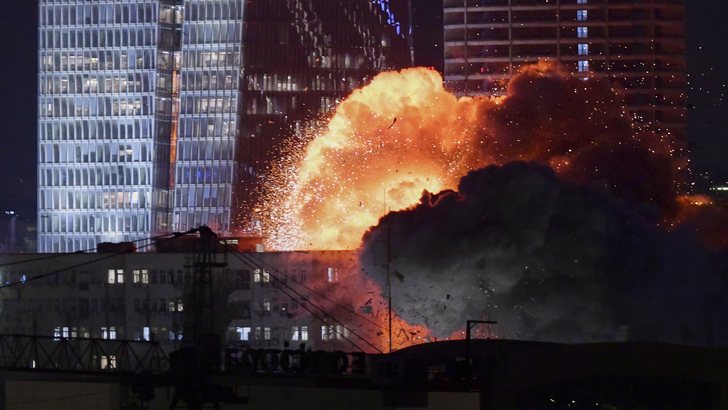
With the large-scale attack on 100 targets in Iran, justified as a "preemptive strike" against the possible development of Iranian nuclear weapons.
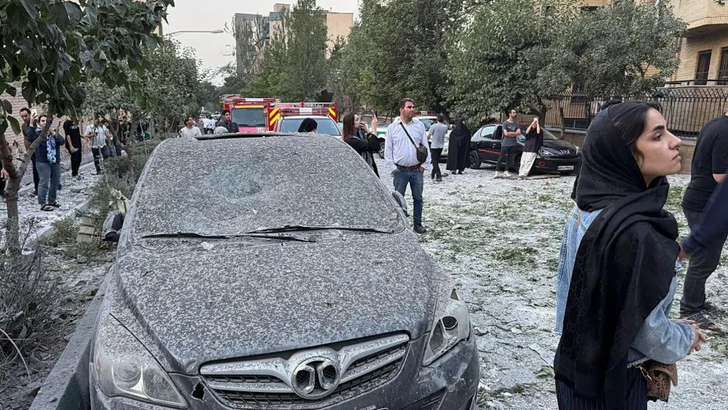
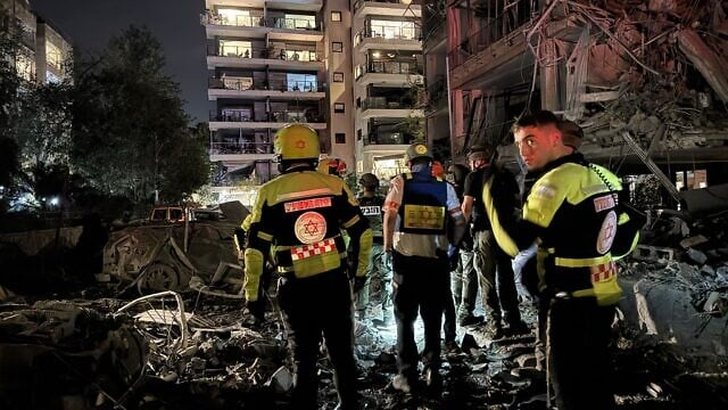
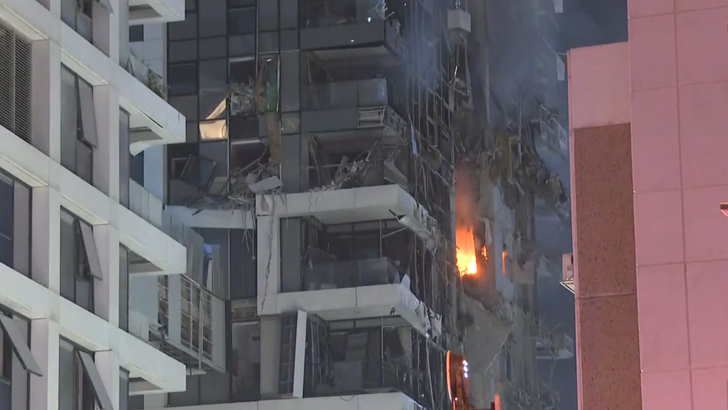
Israeli attacks, including on residential areas in Tehran, will continue for several days, according to Prime Minister Netanyahu.
Difficult to predict the consequences
The consequences in the region and beyond are unpredictable. However, some developments are already taking shape: US-brokered talks on Iran's nuclear program launched in Oman were canceled by the Iranian side.
Israel's attack came two days before the next round of talks.
US President Donald Trump had urged the Israeli government not to hinder the talks with any attacks.
And just before Israeli missiles hit Tehran, Trump posted a message saying he was hopeful that talks would continue.
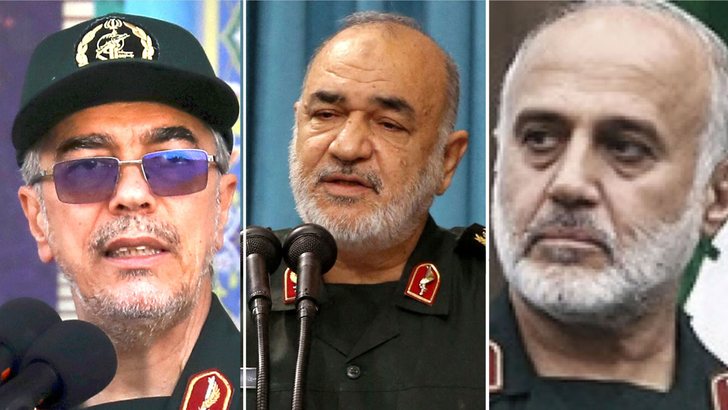
The fact that Netanyahu does not consider talks on the nuclear program is also evidenced by the killing of Ali Shamchani during the attacks.
Shamchani was hired by religious leader Ali Khamenei as head of the committee for talks with the US on the nuclear program.
Could Iran attack US targets?
Among the open questions is whether Iran will also target US targets in its retaliatory strikes.
The US is considered Israel's most important military supporter, enabling such large-scale attacks.
Tehran has repeatedly threatened in the past with retaliatory attacks on US bases in the Middle East.
As a result, the US began evacuating non-essential US personnel and family members from these bases a few days ago.
There are many potential targets: Between Egypt and the United Arab Emirates, the US has eight permanent bases and several mobile military bases, in which about 50,000 soldiers are stationed.
In truth, Iran has no interest in a military confrontation with the US, but whether Tehran will retaliate depends on how and whether the US administration will distance itself from the Israeli attacks.
Secretary of State Marco Rubio swears in a post that the US is in no way participating in Israel's actions.
He also warns against targeting US targets in any way.
Tensions are high in the Middle East as a whole. Countries in the region have strongly criticized Israel's attack - including Saudi Arabia, which until recently was a staunch opponent of Iran.
The Abraham Accords, established during Donald Trump's first term as president, aimed at rapprochement between Israel and the Arab world, are now frozen. Efforts at rapprochement suffered a setback during Israel's fighting in Gaza.
Saudi Arabia and Iran, meanwhile, after years of bitter hostilities, had begun to draw closer with the mediation of China.
Relations between the two countries had intensified, and both countries were even aiming for military cooperation and a joint exercise was expected to be organized.
The latest sign of rapprochement was the visit of Saudi Defense Minister Khalid bin Salman to Tehran, where Mohammed bin Salman's brother also met with the religious leader.
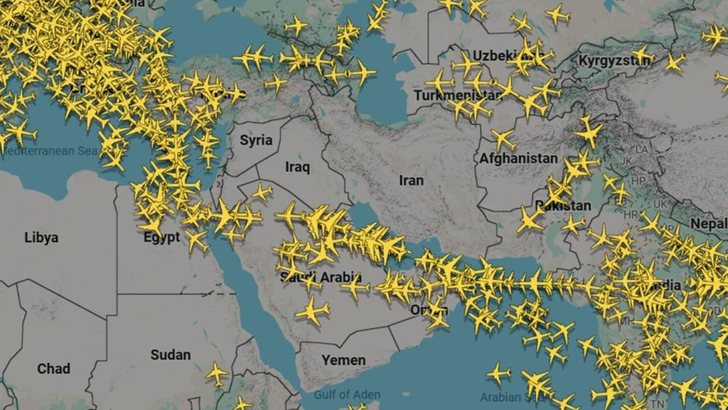
Saudi Arabia and other countries in the region do not want to be involved in the conflict between Israel and Iran in any way, especially if the US is also involved. Iran, faced with a superior opponent, could also pursue the course of an asymmetric war.
Such actions include disrupting oil production and transportation. In 2019, drone attacks by Yemeni Houthi militias cut off half of Saudi oil production.
In the years that followed, Saudi oil facilities were repeatedly targeted by attacks from Yemen. So it is not surprising that oil prices rose sharply in the wake of the Israeli attacks.
It is unclear whether Israel will achieve its officially declared goal of preventing Iran from building an atomic bomb with the attack it has launched.
So far, most experts doubt that the Iranian nuclear program can be destroyed militarily.
The attacks could even have the opposite effect, prompting Iran to construct an atomic bomb right now.
But such an action would lead to a nuclear arms race in the Middle East. And no one would be interested in that./DW