How Belinda Balluku is fabricating the rumor about Top Channel's...
/ 2026-10-19 16:19:00Focus


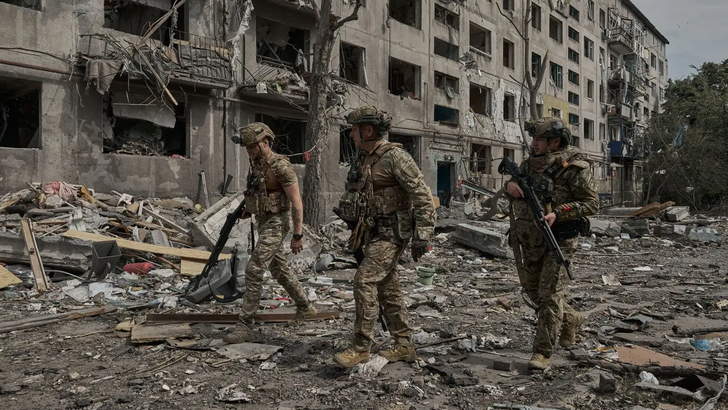
Burnt vehicles, destroyed premises, physical attacks and messages "drive out the Turks" are images that describe Montenegro these days.
The outbreak of violence against Turkish citizens began after a fight, in which, according to authorities, Turkish and Azerbaijani citizens slightly injured a Podgorica resident.
What followed were attacks on Turkish citizens and their property, as well as organized protests where there were threatening messages directed at them.
As a result, the Montenegrin Government, through an accelerated procedure, established a visa regime for Turkish citizens.
Activist Dina Bajramspahic told Radio Free Europe/Radio Liberty's Balkan Service that the creation of this atmosphere was influenced precisely by the ruling parties and right-wing media.
"They have contributed to the paranoia and spread of conspiracy theories that the Turks are working to 'invade' Montenegro. It is worrying how successfully this has been achieved and how completely unfounded narratives have been accepted by a part of society," Bajramspahic said.
The civil sector, civic activists, and several parties have condemned the attack on the Podgorica resident and the violence against foreign citizens, emphasizing that blaming the entire community for individual guilt is unacceptable.
The European Commission for Radio Free Europe has stated that it is following the situation in Montenegro, but does not comment on individual cases.
How were anti-Turkish narratives formed?
One of these narratives is that 100,000 Turkish citizens have migrated to Montenegro, a country with a population of 620,000.
Police data, obtained by Radio Free Europe, shows that this figure is seven times smaller, around 13,400, while the total number of foreigners is 100,000.
The news about 100,000 Turkish citizens was published on October 20 by the pro-Serbian portal Borba, which contained statements that their political activity could affect the preservation of "national balance" in Montenegro, reports the portal Raskrinkavanje.me.
The text is titled "Are Turks invading Montenegro?", with an illustration created with the help of artificial intelligence showing women in headscarves and welcome messages in Montenegrin and Turkish.
The pro-Serb Democratic Front (DF) MP, Milan Knežević, five days later, on October 25, declared that their number was even higher, around 110 thousand.
He then linked this figure to the decision to send thousands of Turkish drones to Kosovo, a state that his party does not recognize as independent.
"The President of Turkey, Recep Tayyip Erdogan, said that if Serbia tries anything regarding Kosovo and Bosnia and Herzegovina, it will affect 100 million Turks. Do you think that these 100 thousand Turks from Montenegro, if they take command, will see this without reacting?"
Disa ditë më vonë, kur dhuna ndaj shtetasve turq u përshkallëzua, Knezheviç bëri thirrje për paqe.
Portali Raskrinkavanje.me theksoi rolin e rrjeteve sociale, profileve bot dhe meme-ve të lidhura me partitë e DF-së në formësimin e këtyre narrativeve.
“Pikërisht botët partiake bëjnë thirrje për grumbullime dhe ‘shëtitje’ nëpër vendet ‘ku migrantët i shikojnë fëmijët tanë’”, njofton portali.
Ata kujtojnë edhe një postim se shtetasit turq kanë rrëmbyer një fëmijë në një qendër tregtare të Podgoricës, i cili u shpërnda në profile Instagrami që ndiqen nga 100 mijë njerëz dhe në grupet e prindërve në Viber. Në fund, doli se ky njoftim ishte i rrejshëm.
Të dhënat e policisë për pesë vjetët e fundit tregojnë se midis të huajve të proceduar për krime të ndryshme, shtetasit turq janë vetëm të gjashtit. Para tyre janë shtetasit e Serbisë, Kosovës, Shqipërisë, Bosnje e Hercegovinës dhe Rusisë.
Bajramspahiç theksoi se fushata e dezinformatave ka zgjatur për muaj me radhë dhe rezultati është një dhunë që vazhdon.
“Dëshmojmë dhunë të organizuar, shkelje masive të të drejtave të njeriut, diskriminim dhe frikësim të një grupi kombëtar që është vetëm i gjashti sipas numrit të krimeve, ndërsa pesë të tjerët nuk janë temë dhe askush nuk ka menduar të vendosë viza për shtetasit e atyre vendeve”, theksoi ajo.
Si reaguan Policia dhe Prokuroria?
Policia më 26 tetor arrestoi një shtetas turk dhe një shtetas azerbajxhanas në Podgoricë, të dyshuar për plagosjen me thikë të një banori të Podgoricës, të cilit, sipas Prokurorisë, i janë shkaktuar lëndime të lehta.
Në të njëjtën mbrëmje, Policia ndaloi edhe 45 shtetas të këtyre dy vendeve për të verifikuar ligjshmërinë e qëndrimit të tyre.
Anëtarët e Policisë parandaluan qytetarët e mbledhur që të “përballeshin” me të huajt, duke u kërkuar të mos i nënshtroheshin emocioneve dhe thirrjeve për linçim.
Megjithëkëtë, sulme fizike dhe shkatërrim i pronës së shtetasve turq ndodhën më pas.
Për shkak të gjuhës së urrejtjes, sulmeve fizike dhe fyerjes së disa shtetasve turq dhe azerbajxhanas, Policia më 27 tetor arrestoi tetë persona nga Podgorica.
U sekuestruan edhe “disa shufra bejsbolli të përgatitura për sulm” ndaj të huajve.
U kontrolluan edhe shtetas të huaj, rreth 20 prej të cilëve u kthyen në vendet e tyre, ose qëndrimi i tyre është në proces të anulimit. Për 30 të tjerë është lëshuar gjobë administrative.
Prokuroria reagoi ndaj brohoritjes “Vrit, vrit, vrit turkun” në Podgoricë gjatë aksionit të Policisë më 26 tetor. Prokuroria nisi rast për këtë çështje.
Rreth njëqind burra të veshur me rroba të zeza dhe me kapele, më 27 tetor, brohoritën “largoni turqit” dhe “vrit turkun” në rrugët e kompleksit banesor Siti Kvart.
Policia i ndoqi ata gjatë lëvizjes dhe kthimit në lagjen Zabjelo, ku kishte mesazhet kundër shtetasve turq.
Prokuroria nuk ka reaguar zyrtarisht për këtë rast.
Qeveria reagoi ndaj incidenteve duke hequr me procedurë të përshpejtuar regjimin pa viza për shtetasit turq, vendim që hyn në fuqi më 30 tetor.
This decision is politically unprepared and populist, assessed Miloš Knežević from the Center for Civic Education.
"Selective and ad hoc action may indicate that decisions are made under pressure from public opinion and some external actors, and not on the basis of facts and state interests. It also sends a bad message that the entire nation can be collectively punished for the actions of individuals, which is unacceptable and dangerous," he said.
The opposition European League assessed that the decision represents a xenophobic, irresponsible and dangerous act by the Government and was not taken by chance now.
"All this is happening under the leadership of a 'gentleman' in Belgrade, immediately after the news that Turkey has sent drones to Kosovo. This was reason enough for the Spajic government and its extreme partners to start a new wave of hysteria against the entire Turkish nation," he underlined.
Bajramspahic believes the problem lies in the government's continued refusal to deal with nationalist outbursts.
"The government refuses to deal with the problem of hate speech and the spread of religious and national intolerance, which has contributed to the escalation of violence. Nationalist outbursts have almost become normalized," she added.
Current events are the "natural" continuation of the values promoted by the ruling parties, Bajramspahic concludes.
In power in Montenegro is a coalition gathered around the Europe Now Movement of Prime Minister Milojko Spajic, the pro-Serbian and pro-Russian Democratic Front of Parliament Speaker Andrija Mandic, and the Democrats of Deputy Prime Minister Aleksa Becic.
The DF is close to the Government in Belgrade and the President of Serbia, Aleksandar Vučić. / Taken from REL