Is this police force professional and capable of handling violen...
/ 2026-10-16 18:54:07Focus


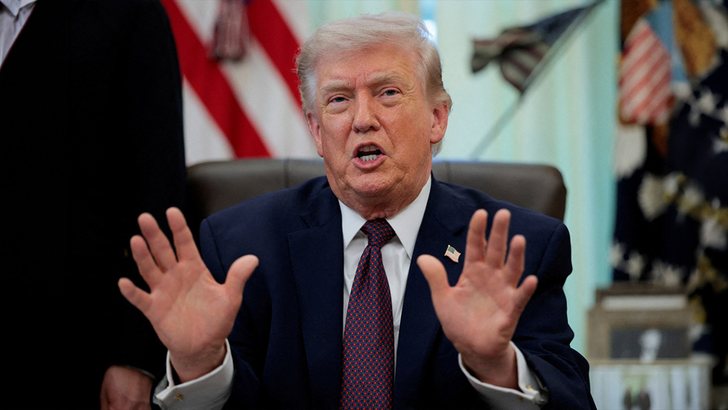
The United States has imposed new tariffs on 60 of its trading partners, accusing them of failing to effectively enforce bans on the import of goods produced with forced labor.
President Donald Trump's administration announced the new tariff package, continuing its trade policy despite a Supreme Court ruling earlier this year that blocked some similar measures. Trump has repeatedly argued that the US pays higher tariffs than its partners and that raising them is necessary to support domestic manufacturing and jobs.
The new tariffs, ranging from 10% to 12.5%, affect key economic partners including the European Union, China, the United Kingdom, Canada, Japan and India. They took effect on July 24, following the expiration of a temporary 10% tariff on imported goods.
This is the latest escalation in the trade war restarted by the Trump administration after his return to the White House. In February, the Supreme Court ruled that some of the tariffs imposed under emergency powers were illegal.
Following this decision, the US administration sought other legal bases to continue the tariff policy. Last month, the White House proposed tariffs of 10% to 12.5%, arguing that many countries are not taking sufficient measures against forced labor.
US Trade Representative Jamieson Greer stated that the measures aim to simultaneously combat human rights violations and unfair trade practices.
"Today's action will begin to correct what is both a human rights violation and a distorted trade practice, with the goal of improving the well-being of workers everywhere," Greer said.
The measures were imposed under Section 301 of the Trade Act of 1974, which allows the US to respond to trade practices that harm American interests.
According to the US administration, countries that have effectively implemented bans on goods produced with forced labor will be subject to a 10% tariff, while those that have not acted sufficiently will face a 12.5% tariff.
The tariffs affect the US's 60 largest trading partners, which represent about 99.4% of American imports.
International trade experts estimate that the Trump administration remains determined to implement its tariff strategy.
According to experts, many countries may try to reduce dependence on the American market by strengthening trade relations with other partners.
Brazil called the US decision "unjustified" and "arbitrary", accusing Washington of using the issue of workers' rights to justify protectionist policies.
The Brazilian government warned that it would respond with reciprocal measures, in accordance with its legislation.
Japan also expressed regret over the new tariffs, stressing that its trade is conducted in accordance with international rules.
On the other hand, Australian Trade Minister Don Farrell called the tariffs "completely unjustified" and said Australia would continue diplomatic efforts to have them removed.
Donald Trump has long defended the use of tariffs as a tool to protect American industry and boost the domestic economy.
In April 2025, he imposed tariffs of up to 50% on a range of trading partners in what he called “Liberation Day,” arguing that the US had been treated unfairly in international trade.
Although some of these tariffs were overturned by the Supreme Court, the US administration has continued to seek other legal bases for imposing new measures.
Meanwhile, the US continues its trade confrontation with China and has also used tariffs as an instrument of pressure on other countries, including Mexico, while it is currently investigating the trade practices of 16 other countries for allegations related to industrial overcapacity.