"The fate of the homeland is in our hands" - An appeal by Ismail...
/ 2026-10-18 16:09:54Focus


The United States and Iran have reached a deal to end the conflict in the Middle East after intensive negotiations brokered by Pakistan, Pakistani Prime Minister Shehbaz Sharif said on Sunday, calling the agreement a historic step towards peace in the region.
According to him, the agreement provides for the immediate cessation of military operations on all fronts, including Lebanon, as well as the launch of a negotiation process within 60 days to reach a final agreement between the parties.
The official signing of the agreement is scheduled to take place on June 19 in Geneva, Switzerland, while technical meetings will be held this week to prepare for its implementation.
Sharif stated that the mediators will hold a series of preliminary consultations to establish the basis for the implementation of the agreement and prepare the official signing ceremony.
On the other hand, Iran's Deputy Foreign Minister, Kazem Gharibabadi, confirmed that the negotiations have been long and intense, revealing that Qatari representatives held about 14 to 15 hours of talks to finalize the memorandum of understanding between Tehran and Washington.
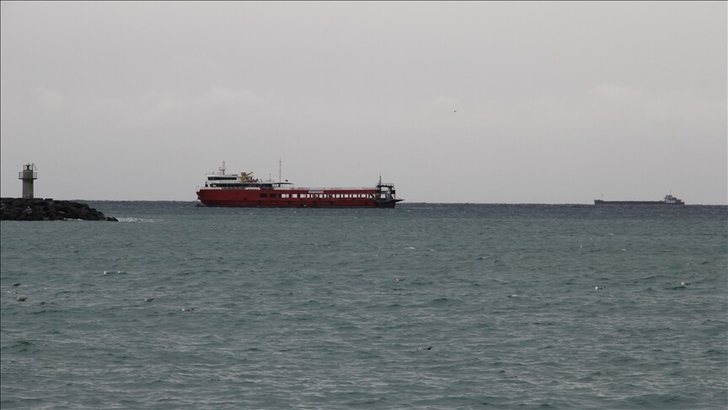
Shortly after Islamabad's announcement, US President Donald Trump confirmed that the deal with Iran was complete. He also announced the full opening of the Strait of Hormuz and the lifting of the US naval blockade of Iranian ports, although he later clarified that these measures would take effect after the formal signing of the agreement on Friday.
Trump stated that the opening of the Strait of Hormuz would allow the restoration of normal oil circulation in international markets, describing the agreement as a guarantee for peace and security in the region.
Meanwhile, in an interview with Fox News, US Vice President JD Vance said he plans to attend the signing ceremony in Geneva, while the presence of President Trump himself is not ruled out.
According to Iranian authorities, the agreement paves the way for new negotiations that will focus on four main issues: the lifting of sanctions against Iran, the Iranian nuclear program, the country's reconstruction and economic development, and the establishment of a monitoring mechanism for the implementation of commitments made by both sides.