Details of the storm in the administration, here's who will resi...
/ 2026-10-22 22:25:00Focus


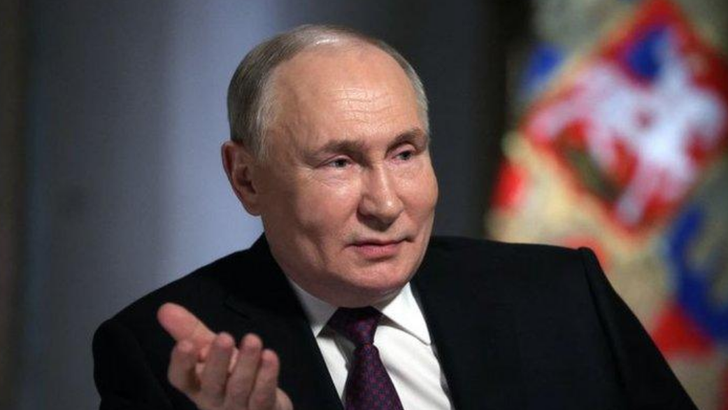
On March 26, 2000, Vladimir Putin was elected president of Russia.
Today he rules as a dictator.

A retrospective look at how the former KGB officer steadily expanded his power.
In fact, it was just a formality: in the Russian presidential elections on March 26, 2000, Vladimir Putin was confirmed in office with 52.9 percent of the vote.
The result was known from the beginning.
Because when Boris Yeltsin suddenly resigned on December 31, 1999, Putin, who had been prime minister since August 9, 1999, also assumed the duties of president according to the constitution.
Putin has been in power for 25 years. To become the autocratic and undisputed ruler of Russia, he has acted strategically - even though he has not been in the presidential palace for several years.
Changing chairs in the Kremlin
Since under the Russian constitution at the time, the president was not allowed to serve more than two consecutive terms, the elections of May 7, 2008 brought a change of positions.
Putin's confidant, Dmitry Medvedev , former chairman of Gazprom's supervisory board, replaced Putin in office.
On Medvedev's proposal, the Russian Duma elected Putin Prime Minister a day later with 87.1 percent of the vote.
Even though Medvedev held the highest position, Putin was pulling the strings in the Kremlin from the background.
The foundation of Putin's power: The elimination of regional autonomy
In these 25 years, the Russian president has turned the country into "the strongest personalized dictatorship in the world," says Russian political scientist Mikhail Komin. "From the very beginning, he has had the goal of transforming democracy in his favor. Today, all power is concentrated in the hands of a single person, in the hands of Putin." It all started with the elimination of "regional autonomy," Komin recalls: "One of the main reforms in Putin's first term was the establishment of so-called presidential representatives in the regions." The Kremlin thus created an instrument of control in the regions - a cornerstone for cementing power.
This assessment is also made by the Russian political scientist living in Finland, Grigory Nishnikov: "If we remember the Russia of Putin's early years, we think of several autonomous centers of power, whether constitutional or even informal, such as the oligarchs. They all constituted a kind of counterweight to the Kremlin. "Putin destroyed all of this, centralized everything and directed the system of power in Russia towards himself," says Nizhnikov in an interview with DW.
Putin and Trump: ideal brothers?
Në politikën e jashtme shënohet një riafrim mes SHBA dhe Rusisë, që nisi në mandatin e parë të presidentit amerikan Donald Trump (2017 - 2021). Takimi i parë i tyre u zhvillua në korrik 2018 në samitin e Helsinkit. "Për Putinin, Trump është dhurata më e madhe e jetës së tij politike”, thotë politologu dhe historiani Helmut Müller-Enbergs në një intervistë me platformën e lajmeve T-Online.
Në negociatat për armëpushimin në Ukrainë Putini i ofroi Trumpit "si të thuash mouse au chocolat - lëndët e para dhe perspektivën e përmbushjes së premtimit të tij zgjedhor", thotë eksperti nga Universiteti i Danimarkës Jugore. Sipas ligjit ndërkombëtar ai nuk ka të drejtë për këtë.
Zëdhënësi i Kremlinit Dmitri Peskov së fundmi para shtypit ndërkombëtar la të kuptohet, se Trump dhe Putin kanë marrëdhënie të mira dhe mund të flasin me njëri-tjetrin më shpesh nga ç`supozohej deri tani.
Aparati i pushtetit nuk toleron asnjë kundërshtim
Rritja e fuqisë së Putinit, sipas ekspertëve, bazohet në kërcënimin ushtarak dhe represionin, në politikën e brendshme dhe të jashtme. Sipas ekspertit Nizhnikov në çerekshekullin e kaluar ka pasur mjaft ngjarje, qö kanö pörbörö rrezik për Putinin.
Këtu bëjnë pjesë protestat pas zgjedhjeve parlamentare të vitit 2011 në sheshin Bolotnaya në Moskë, rreziku nga një situatë e paqendrueshme në Krime pas aneksimit të gadishullit ukrainas në 2014, trazirat pas reformës së diskutueshme të pensioneve në 2018, protestat e Navalnit në të gjithë Rusinë në vitet në vijim dhe invazioni në Ukrainë, që u shoqërua me protesta në rrugët e metropoleve Moskë dhe Shën-Petersburg.
Por çdo rezistencë e popullit u pasua nga një represion edhe më i fortë, thotë politologu Nizhnikov. Dhe "me secilën nga këto ngjarje u eliminuan vazhdimisht kundërshtarë të rinj”. Kështu që sot nuk ka mbetur askush, që mund të kundërshtojë Putinin.
Një tjetër faktor i rëndësishëm për mbajtjen e pushtetit të Putinit është dobësimi i qëllimshëm i gjykatave në mandatin e tij të dytë, vëren Mihail Komin. Gjykatat ruse sot nuk janë më të pavarura, kritikon ai.
Këtyre i shtohet edhe ndryshimi i sistemit zgjedhor në favor të Vladimir Putinit dhe partisë së tij në pushtet "Rusia e Bashkuar”. "Tani partia në pushtet dominon falë sistemit të shtypjes së opozitës, jo falë temave sociale, të cilat luajtën rol në dy mandatet e para të Putinit", thotë politologu.
Në vend që të afirmohet ndaj opozitës demokratike, Putini krijoi një kabinet hije rreth vetes, thotë sociologu rus Alexander Bikbov. Presidenti ka mbledhur në këtë rreth të ngushtë njerëz, që ndajnë me të interesa specifike biznesi. Firmat e tyre kanë marrë kontrata të mëdha nga shteti dhe janë pasuruar në këtë proces, thotë Bikbov: "Putin i mban gjithmonë të gjitha frenat në duar dhe është i përfshirë personalisht në biznes."
Manipulimi i kujtesës historike kolektive
Society is being sold the image of a Russia where the state has played only a positive role throughout history. Everything negative is being eliminated, all past conflicts are being erased, says Bikbov. He calls it "manipulation of collective historical memory." This, too, he believes, only strengthens Putin's power.
As an example, the sociologist cites the closure of the KGB archives to the public, which contain "dark chapters of Russian history." Bikbov calls the image of Russia under Putin, who himself was the head of the KGB, "the image of the golden rooster," referring to a character from Russian fairy tales. The golden rooster means "a happy Russia alone."
A country, seen through rose-colored glasses, where the Tsar's family is strangely presented alongside the communist dictator Stalin as the guardians of the same traditions - even though the two represented completely different political forces in Russian history.
The end of Putin's rule is nowhere in sight
All three experts interviewed by DW believe that these trends will strengthen in the future and that Putin will remain in power for a long time.
"The problem is, there is no viable candidate and no place for him. The last election that Putin actually won was in 2004."
"Everything else has been unfair," complains Mikhail Komin.
"Putin was elected this March for the next six years," the expert estimates, "but 2030 will not be the last year of his presidency. "I think he will continue for another term. His time in power will be limited only by his physical age."
"Grigory Nishnikov also complains that Russians see no alternative to Putin and are afraid of change: 'Okay, people say, we want the war to end, but what comes next? If Putin leaves, even worse thieves will come to power, who will rob the country even more. The image that the government cultivates is: today's stability is more important than tomorrow's changes.'"
Nizhnikov notes that in Russia there has always been a need for a strong hand: "A strong leading personality must always make decisions and solve problems.
When necessary, Russians blame the governors, not the president, according to the motto: "If only Putin knew this, he would solve the problem immediately!"
This is a very old Russian tradition. /DW