Is this police force professional and capable of handling violen...
/ 2026-10-16 18:54:07Focus


Giuseppe Sarcina – Corriere della Sera
Another typical Donald Trump paradox.
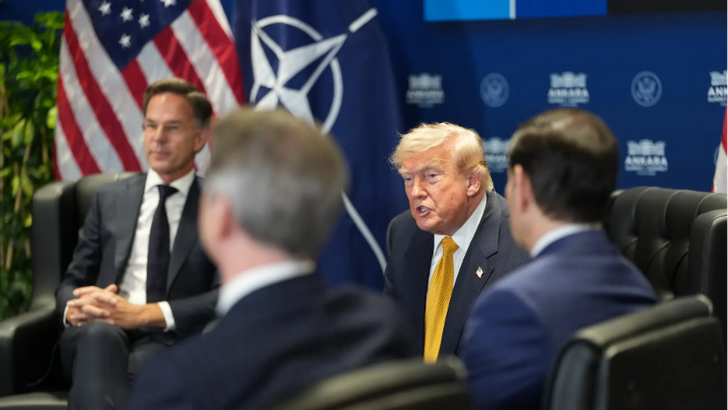
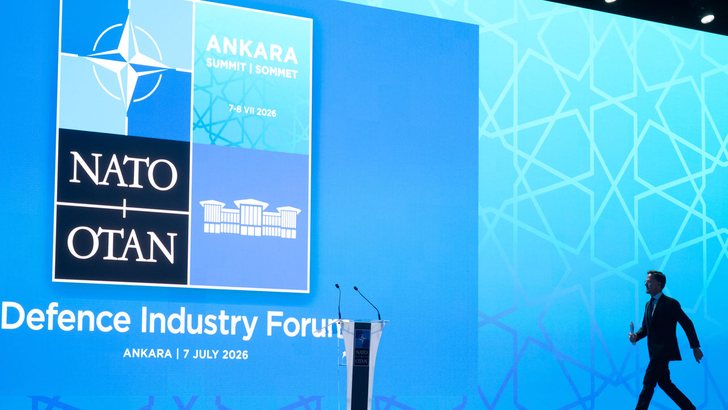
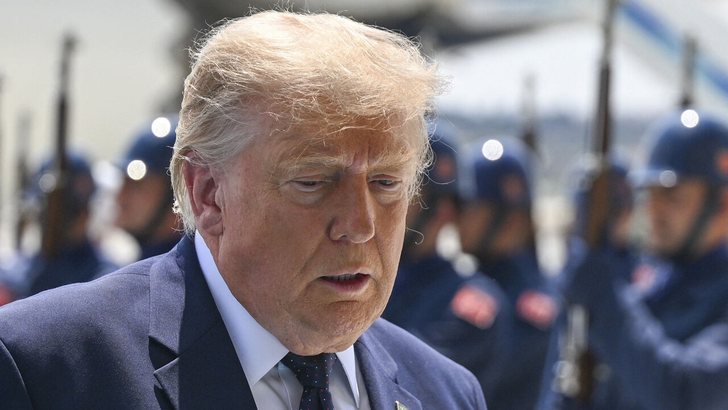
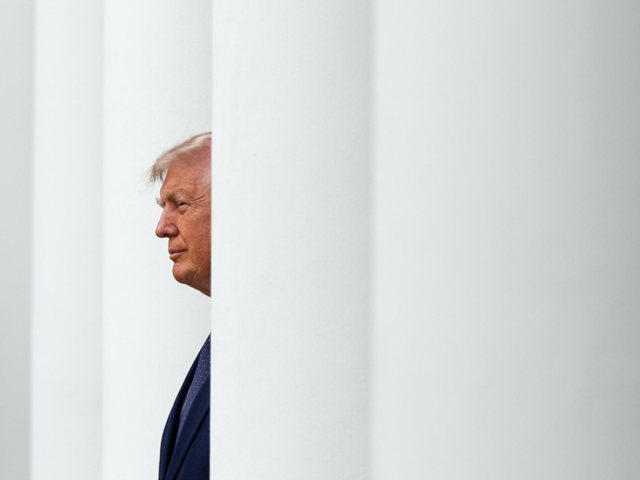
Today, Wednesday, July 8, the US president took an unexpected turn at the NATO summit in Ankara, criticizing allies, including Italy, for not supporting him in confronting Iran. At the same time, he ordered US bombers to strike 80 targets in Iranian territory.
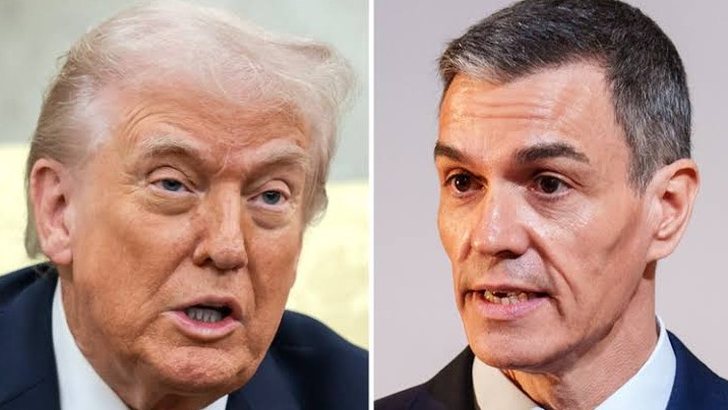
Once again, Trump did not see the need to warn, much less consult, the leaders with whom he had dined the night before. Not French President Emmanuel Macron, not British Prime Minister Keir Starmer, not German Chancellor Friedrich Merz, nor Italian Prime Minister Giorgia Meloni.
It is possible, but this is not confirmed, that the US president may have discussed the issue with Turkish President Recep Tayyip Erdoğan during the bilateral meeting held on Tuesday, July 7.
In any case, the resumption of fighting has raised alarm both in Europe and among Gulf Arab partners. According to European diplomats, the most plausible explanation is that the Memorandum of Understanding, signed on June 17 by Trump and Iranian President Masoud Pezeshkian, did not withstand the test of reality on a key issue: control of the Strait of Hormuz.
In recent days, the Iranian Revolutionary Guards attacked three oil tankers, one of which was flying the Qatari flag, after they were following a route that was not approved by Iran. According to estimates, they believed they had American support. However, in recent weeks, the different interpretations of the memorandum have turned into an increasingly intense clash in this maritime corridor, through which about 20% of the world's oil passes.
For Washington, navigation should be restored to its pre-war freedom. For Tehran, the situation has changed: anyone who wants to pass through must pay a transit fee.
Now the focus is on future developments. How far can Trump go? How will Iran react? Concern is high, not only in Europe, but also within the US administration and among Republican lawmakers.
The price of oil is rising rapidly on international markets, with an increase of around 6% and with expectations of further increases. For Europe, this could mean the return of economic uncertainty. For the United States, the outlook is also difficult, especially for the middle and lower income classes, as well as for businesses, while the average price of gasoline remains around $4 per gallon (3.7 liters).
In this situation, how will Trump act? Once again, the answer remains unclear. Although he has continued with harsh statements against the Iranian leadership, the American president has not canceled the negotiation process foreseen in the preliminary agreement, which envisaged a period of 60 days starting from mid-June. This suggests that the new phase of tensions may remain limited and not escalate into a general war.
Meanwhile, another controversy has engulfed NATO Secretary General Mark Rutte. He rushed to praise the US bombing, without it being clear in what capacity or on whose behalf he did so. Certainly not on behalf of major European governments, which are reportedly irritated by his perceived overly pro-Trump stance. For many observers, this has now become a common scene in international politics.