How Belinda Balluku is fabricating the rumor about Top Channel's...
/ 2026-10-19 16:19:00Focus


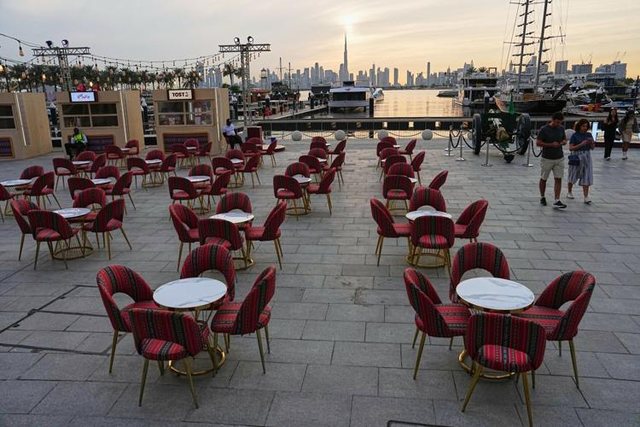
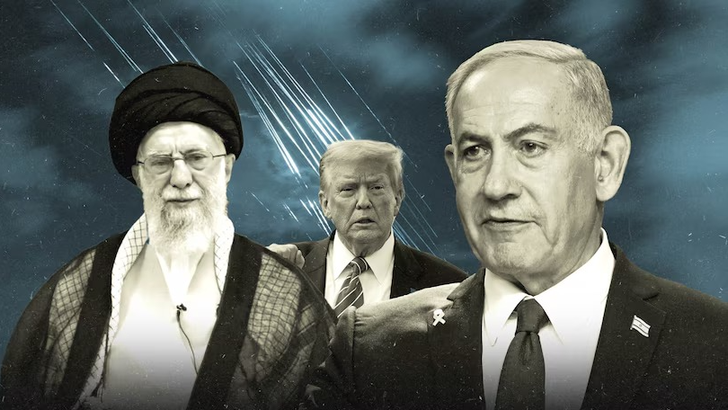
The US-Israeli attack on Iran has created major problems for the Gulf countries, and the tension is so high that it is also understood by the unusual move of the President of the United Arab Emirates, Sheikh Mohammed bin Zayed, who personally committed to convincing the public that everything is business as usual.
In early March, the Sheikh walked through shopping malls and said: "Everything is fine here in the United Arab Emirates."
But is this really true?
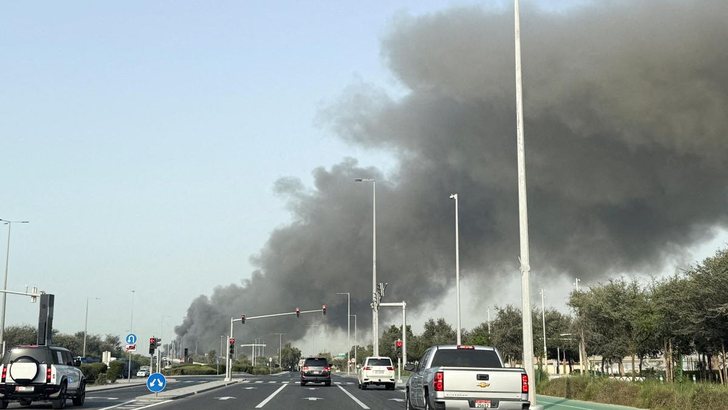
Iranian missiles and drones have been pounding the glittering city for days, causing the airport to close, even the city's landmark, the exclusive Burj Al Arab hotel, to be hit, and several people killed.
Dubai has become one of the largest and richest financial centers in the world thanks to a simple idea: despite being located in a highly unstable area, it has created the image of a safe oasis untouched by conflict and corruption.
Dubai's success has encouraged many in the region to follow suit, with Saudi Arabia and Qatar, for example, undertaking similar ventures in an attempt to diversify their economies away from dependence on fossil fuels.
But the war with Iran has thrown everyone into disarray, shaking their belief that the luxury they had created in the Persian Gulf was impenetrable, The Wall Street Journal reports.
Asset managers and lawyers have been receiving a growing number of calls in recent days from people looking to move their money to safer regions. Real estate deals have been put on hold and many foreigners are starting to wonder whether it makes sense to stay in Dubai for long. Even if the missile and drone attacks stop, the ongoing threat of a hostile Iran will continue to pose a serious threat to regional stability.
"One drone a day is enough to destabilize the Gulf," said Andreas Krieg, a lecturer at King's College London.
Quinten François, a 30-year-old cryptocurrency analyst, evacuated to Bangkok and says that a “very gloomy atmosphere” prevails in Dubai, characterized by the constant noise of fighter jets and explosions.
"Even in five years, when people think about moving to Dubai, they will remember this. Things like this are not easily forgotten," says François, who moved to the city in 2024.
Similar problems are emerging in other Gulf countries. Qatar, a major global aviation hub, faces airspace restrictions, while exports of liquefied natural gas – essential for financing development – have been temporarily suspended. More fiscally sensitive states such as Bahrain and Kuwait may have even more trouble attracting capital.
However, analysts warn that the UAE could lose more.
Much of Dubai's success is based on the perception that it is not actually located in an unstable region.
"The whole story was based on the belief that you're not actually in the Middle East," said Bernard Hudson, a former CIA official with years of experience in the Gulf states.
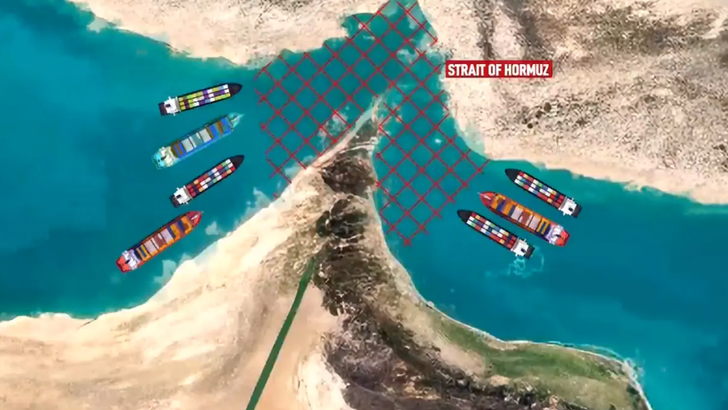
But the war, he says, reminded residents and investors that they still live in a very volatile part of the world. Even if the conflict ends, Iran — just about 80 miles away — will still have the ability to threaten cities like Dubai or disrupt tanker traffic through the Strait of Hormuz.
Anger and fear among the elite
Frustration is growing among Dubai's wealthy elite over the US decision to start a war, which has put the city in potential danger.
One of the most famous developers in the Emirates, Khalaf Al Habtoor, publicly asked US President Donald Trump on social media: "On what basis did you make such a dangerous decision? Did you calculate the collateral damage before pulling the trigger?"
He later deleted the post.
Meanwhile, Trump said the war could end "very soon," as advisers are urging him to find a way out of the conflict that has already driven up oil prices and further destabilized the Middle East.
Despite all this, Dubai still has many advantages. Low taxes and a business-friendly environment continue to attract residents and investors, and the city has recovered from serious crises in the past.
Today, the city has more than 170 five-star hotels and 19 Michelin-starred restaurants.
Dubai's population has grown to about four million people, 90 percent of whom are foreigners. Last year alone, 9,800 millionaires moved to the UAE, bringing more than $60 billion in capital, the largest influx of wealthy individuals in the world.
Major financial centers have also expanded their operations in the city. By the end of 2025, the Dubai International Financial Center was home to almost 300 banks and more than 100 funds.
Many believed that Dubai was as stable and predictable as London or Singapore.
But in just a few days, everything turned upside down.
War destroys the illusion of security
This perception was suddenly shaken when Iran began launching hundreds of drones and missiles at Dubai and other parts of the Gulf.
Accounting and consulting firm KPMG organized evacuation flights for employees, while Google urgently evacuated more than a thousand workers who were in the city for a corporate event. Several banks and funds booked alternative accommodations in remote desert areas to reduce the risk of attack.
Employees at major investment banks were instructed to work from home, and Deutsche Bank and Franklin Templeton temporarily suspended travel to the region.
Since the conflict began, some of the ultra-wealthy clients have begun to consider relocating their assets.
Ryan Lin of Singapore-based law firm Bayfront Law says he has been contacted by about 20 clients - including holders of so-called long-term golden visas in Dubai - asking how to move some property to Singapore.
“Two of them have already asked us to move the money immediately,” says Lin. “They asked: ‘How fast can you do it?’”
The problem is further exacerbated by the fact that Dubai was never designed for war conditions. Unlike Israel, the Emirates does not have a developed shelter network or warning systems.
A loss of around $56 billion in tourism spending
The attacks come at a time of strong growth in the real estate market. Residential property prices in Dubai have risen by about 60 percent between 2022 and early 2025, leaving the market vulnerable to a potential correction.
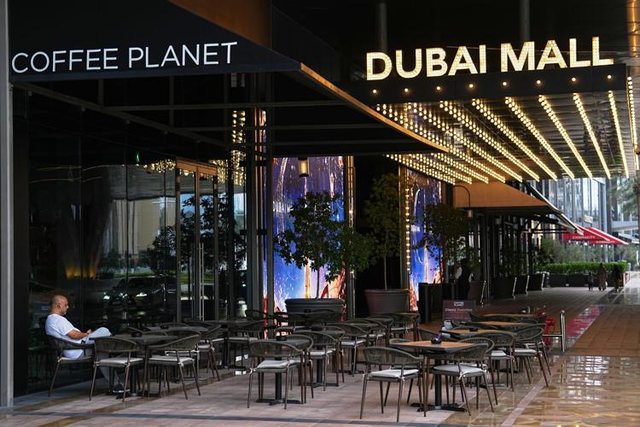
Tourism, another key sector of the economy, has also been affected. Tens of thousands of tourist accommodation reservations have been canceled.
According to analysts' estimates, the conflict could lead to a decline in international arrivals to the Middle East of up to 27 percent this year, which means a loss of about $56 billion in tourism spending.
For years, investors have described the United Arab Emirates as the "Switzerland of the Middle East," a safe haven for international capital.
“Geopolitical risk is high now and will remain so,” says Nabil Milali of Edmond de Rothschild Asset Management.