"The fate of the homeland is in our hands" - An appeal by Ismail...
/ 2026-10-18 16:09:54Focus


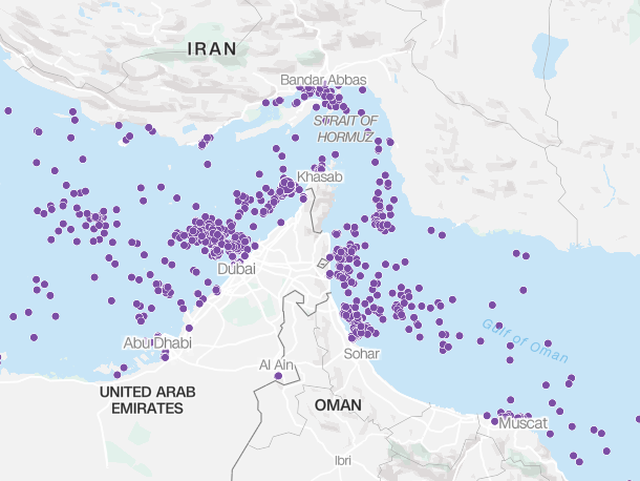
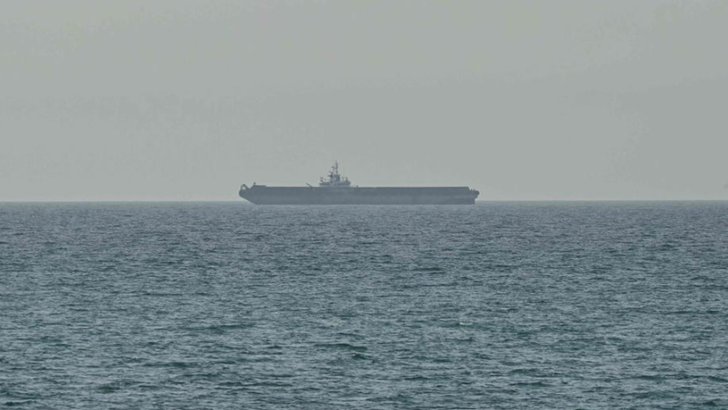
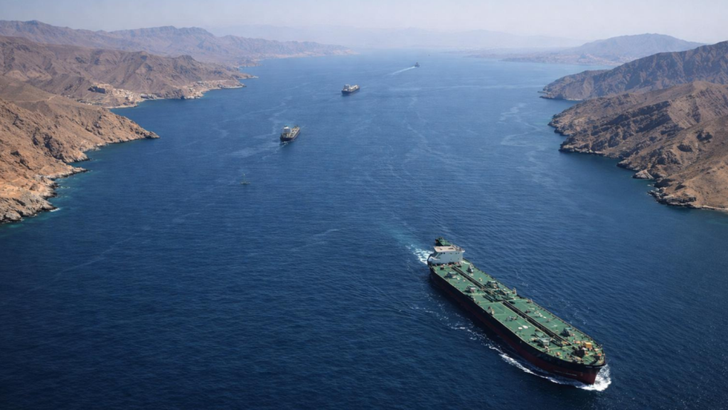
In response to the start of the naval blockade announced by the United States of America, the top defense and legislative structures in Iran have issued official statements today, announcing the raising of the military readiness level to the maximum level. Tehran's reaction comes after the failure of bilateral negotiations and the decision of the administration of President Donald Trump to block access to Iranian ports.
On the political front, Tehran has classified the US initiative as tactically unfeasible. Alaeddin Boroujerdi, a member of Iran's Foreign Policy and National Security Committee, stated on state-run Press TV that US forces do not have the real capacity to maintain a blockade of this magnitude.
Boroujerdi stressed that the US is expected to face a lack of support from NATO member countries for this operation.
The official sternly warned that any US Navy vessel attempting to enforce the blockade of Iranian ports would be "sent to the bottom of the sea ," warning of a direct strike on US naval assets.
Armed forces readiness
On the military front, the Ministry of Defense has confirmed the full mobilization of troops. Acting Defense Minister, Brigadier General Majid Ibn Reza, communicated that the country's military infrastructure is prepared for all possible scenarios.
"Any aggression against our territory or interests will be met with a harsh and decisive response," declared Ibn Reza, confirming the transition to "maximum combat readiness."
Status of strategic reserves
In parallel, the Islamic Revolutionary Guard Corps (IRGC), through the Ministry of Defense spokesman, Sardar Talaei-Nik, has informed the public and the international community about internal logistics. The published data specifies that the weapons inventory is at optimal quotas.
Strategic reserves of ballistic missiles and military drones are reported to have been adequately supplied before the start of this crisis.
Defense institutions confirm that there are no shortages in the military supply chain, allowing for the support of long-term combat operations.
The situation remains critical, as both sides have moved from diplomatic warnings to active military postures in the Persian Gulf region.